


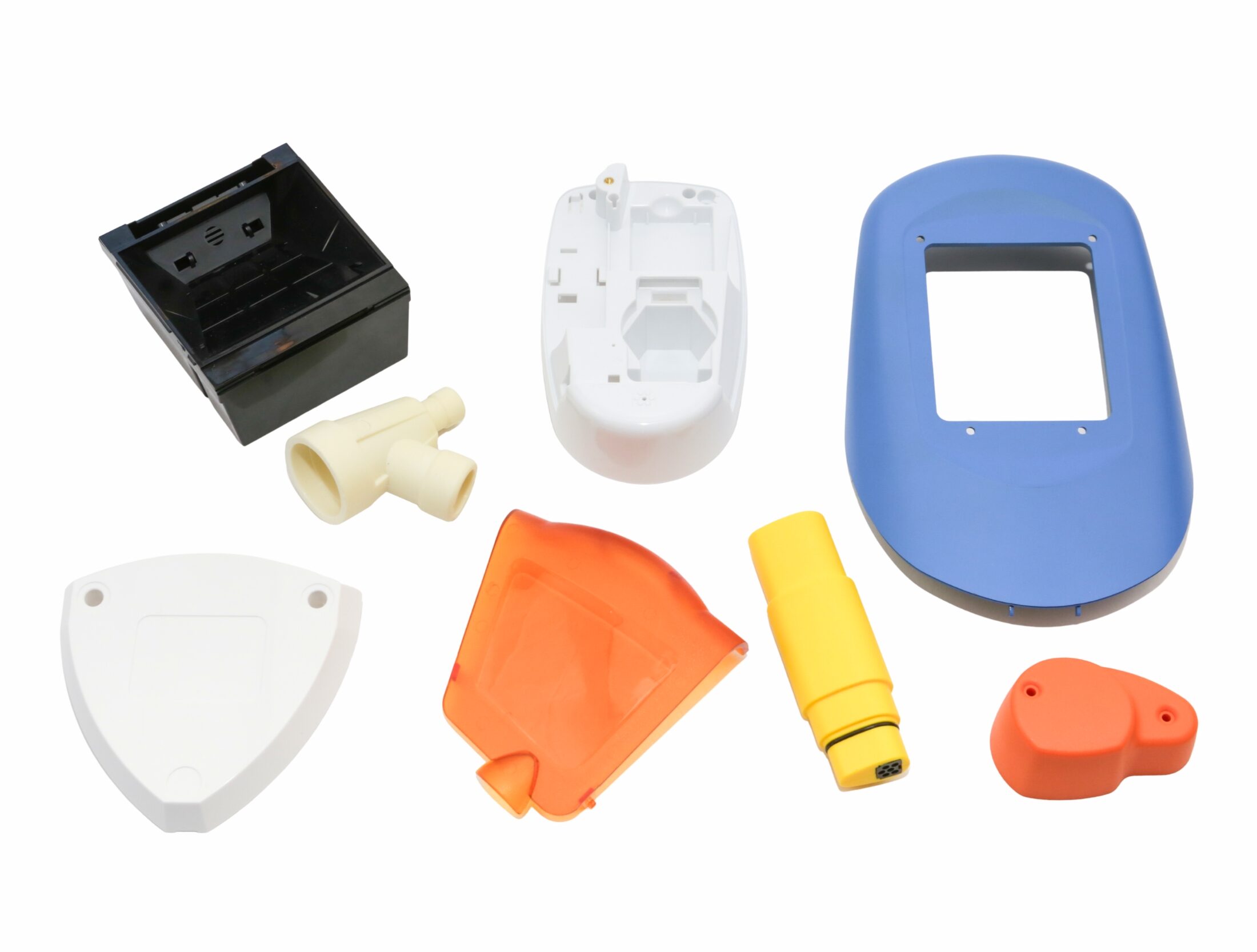
Selecting the right polymer requires careful consideration of strength, impact resistance, temperature stability, and chemical compatibility. Each material behaves differently under load, heat, or sterilisation, and the correct choice can significantly influence cost, manufacturability, and long-term reliability.
Our engineers work with clients to match polymer characteristics with functional and production needs, ensuring every component performs consistently throughout its service life. For regulated sectors such as medical and life sciences, this includes guidance on biocompatible polymers, FDA- and EU-compliant materials, and validated sterilisation performance. By aligning material selection with design intent and compliance requirements, we help clients avoid redesign, simplify tooling, and accelerate product approval – delivering reliable, repeatable production and components that perform as intended in their end environment.
Standard Polymers
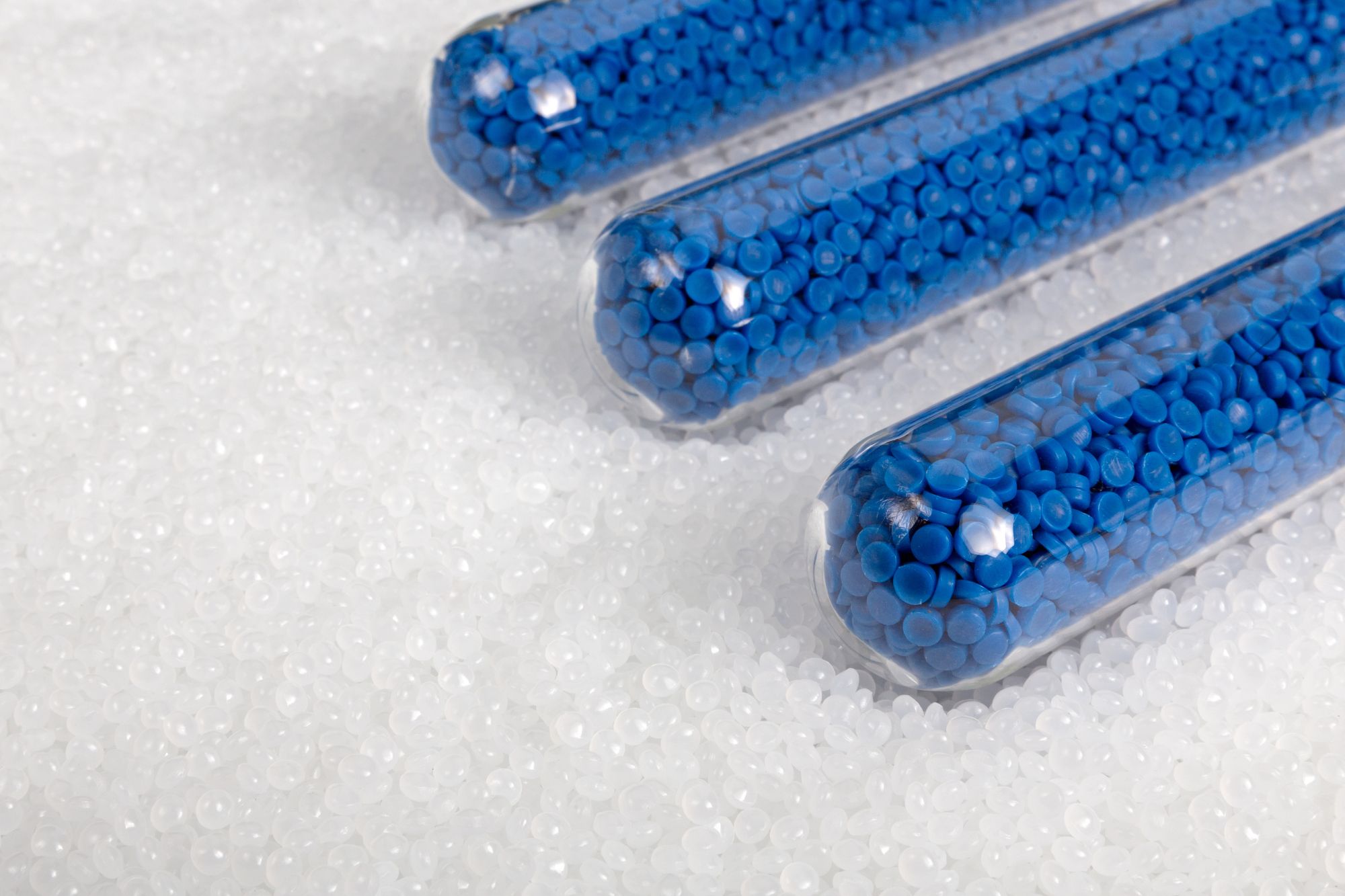
Standard thermoplastics such as ABS, PC, PC/ABS, Nylon (PA), Acetal (POM), and polypropylene (PP) are used where mechanical strength, dimensional stability, and cost efficiency are key. These materials are suitable for injection moulding, extrusion, and machining processes, offering dependable performance for medium- to high-volume production.
Common applications include housings, covers, brackets, and internal assemblies across industrial and consumer products, where reliable tolerances and visual consistency are essential.
Biocompatible Polymers
Medical and life-science applications demand materials that meet strict biocompatibility and sterilisation requirements. Polymers such as PEEK, PPSU, and medical-grade polypropylene are selected for diagnostic housings, instrument handles, and cleanroom equipment, maintaining mechanical integrity under repeated cleaning and autoclave cycles.
Our teams support clients through the selection of compliant materials that satisfy regulatory and performance standards, helping medical device OEMs achieve confidence in both safety and durability.

UL Compliant Polymers
Electrical and electronic systems rely on polymers that provide excellent insulation and flame-retardant performance. UL94-rated materials are used for connectors, enclosures, and power distribution components where fire safety and dielectric strength are essential.
Selecting the correct grade ensures compliance with industry safety requirements while maintaining the dimensional accuracy and surface quality needed for reliable assembly and long service life.
High-Performance & Filled Polymers
High-performance polymers such as PEEK and PEI used when strength, thermal stability, or chemical resistance exceed the limits of standard plastics. Glass-, carbon-, or mineral-filled grades are used to enhance stiffness, conductivity, or wear resistance in components exposed to high stress or temperature.
These materials are common in aerospace, automotive, and energy applications, where weight reduction and durability are critical. Their stability under mechanical load makes them equally suited to high-precision assemblies in data infrastructure and electronics, where insulation, strength, and heat dissipation must work in balance.

Colour Additives
Colour additives provide reliable, long-term control over the visual identity of a product. By integrating pigmentation directly into the polymer, colour consistency is maintained across production batches, ensuring repeatable results without additional finishing.
They are widely used in consumer housings, branded enclosures, and electronic assemblies, where precise colour control enhances cosmetic and quality perception and brand alignment. Incorporating colour at the compounding stage via masterbatching, eliminates the need for post-painting, reduces processing steps, and prevents issues such as colour flaking or fading over time. The result is a component that retains its professional appearance and mechanical integrity throughout its service life.

Antibacterial Additives
Where hygiene, user safety, and contamination control are priorities, antimicrobial additives offer a reliable and passive layer of protection. Silver-ion compounds are incorporated into polymers to inhibit bacterial growth on component surfaces, supporting FDA and EU compliance to ISO 22196, while maintaining full mechanical and visual performance.
These materials are frequently applied in medical devices, prosthetic components, diagnostic equipment, food-handling systems, and high-contact consumer products, helping clients meet stringent hygiene standards. The use of antibacterial polymers extends product lifespan, reduces the frequency of cleaning or replacement, and contributes to safer, more reliable performance in shared or sterile environments.

Speciality Additives
Speciality additives are used to adapt polymers to demanding or variable environments where standard grades may not perform consistently, or even at all. UV stabilisers protect outdoor and lighting components from degradation, anti-static formulations prevent dust attraction and electrostatic discharge in electronics and data infrastructure, and flame-retardant compounds ensure compliance with UL94 classifications in power and electrical systems.
These additives allow clients to achieve stable performance under heat, sunlight, friction, or electrical exposure. By specifying the right compound early in design, our engineers help prevent premature material ageing, colour shift, or surface damage — improving safety, extending product lifespan, and maintaining compliance across global markets.
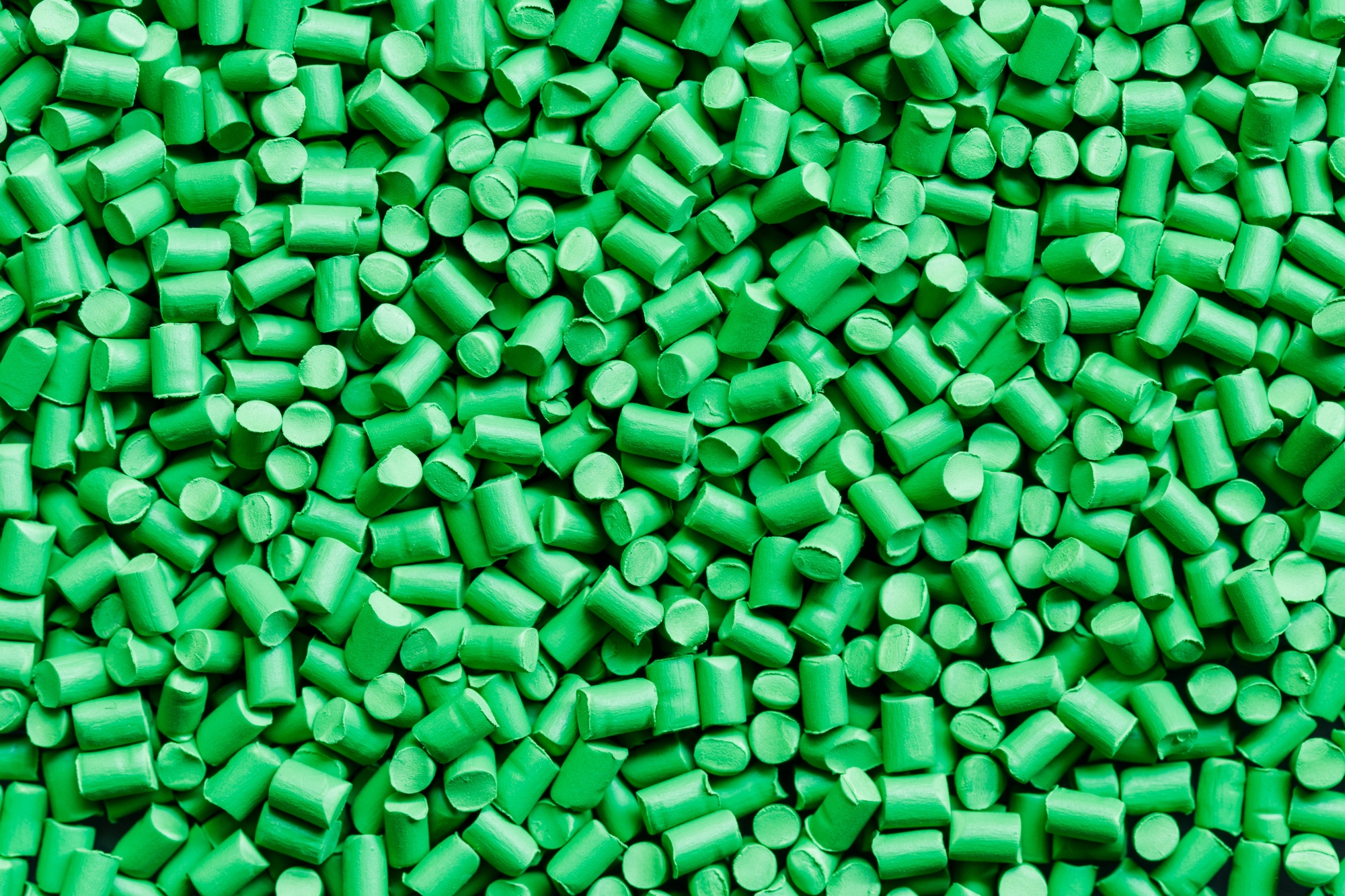
Polymers with Recycled Content
Sustainable manufacturing increasingly demands materials that combine environmental responsibility with dependable performance. Recycled or bio-based polymers offer a practical route to lower carbon impact without compromising precision, appearance, or reliability.
These materials are typically used for non-critical housings, internal components, and packaging, particularly within industrial, consumer, and electronics sectors where traceability and dimensional accuracy remain essential.
Every recycled batch is tested for consistency in strength, colour, and finish to ensure compatibility with existing tooling and processes. Clients benefit from verifiable sustainability credentials, reduced environmental footprint, and supply-chain transparency, all supported by the same quality control standards as virgin materials.
Explore Materials
Selecting the right material early in the design process helps avoid downstream issues, reduces waste, and ensures consistent, repeatable results. Find below other materials for you to explore.
Get in touch today to discuss your next project
Whether you have a question, require more information, or want to discuss a potential project, our expert engineering and operations teams are on hand to help you.
We look forward to hearing from you and collaborating on innovative solutions for your business.
"*" indicates required fields