

Automotive & Transportation
Reliable, repeatable components and assemblies designed for performance and scalable manufacture.

Modern vehicle programmes depend on mechanical components that deliver consistent performance under demanding thermal, vibration, and environmental conditions. As platforms evolve toward electrified, connected, and autonomous architectures, hardware must achieve tighter tolerances, lower mass, and greater integration with electronic systems – all while maintaining durability, alignment, and long-term stability.
These parts operate across the vehicle structure and supporting systems, forming the hidden frameworks that secure sensors, manage airflow, protect electronics, and maintain mechanical interfaces. Brackets, shrouds, housings, ducting, and casing sets must withstand load cycles, temperature variation, aerodynamic forces, and installation stresses without deformation or drift. For global OEMs, consistent performance across multi-site production is essential to achieving reliable assembly and predictable system behaviour.
DTI engineers hardware and mechanical components using high-strength metals, precision-formed alloys, reinforced polymers, and hybrid assemblies selected for rigidity, dimensional accuracy, and weight efficiency. Each part is developed to support cleaner integration of electronics, stable sensor performance, and long-term mechanical integrity – contributing directly to vehicle refinement, system reliability, and smoother programme launches across global markets.
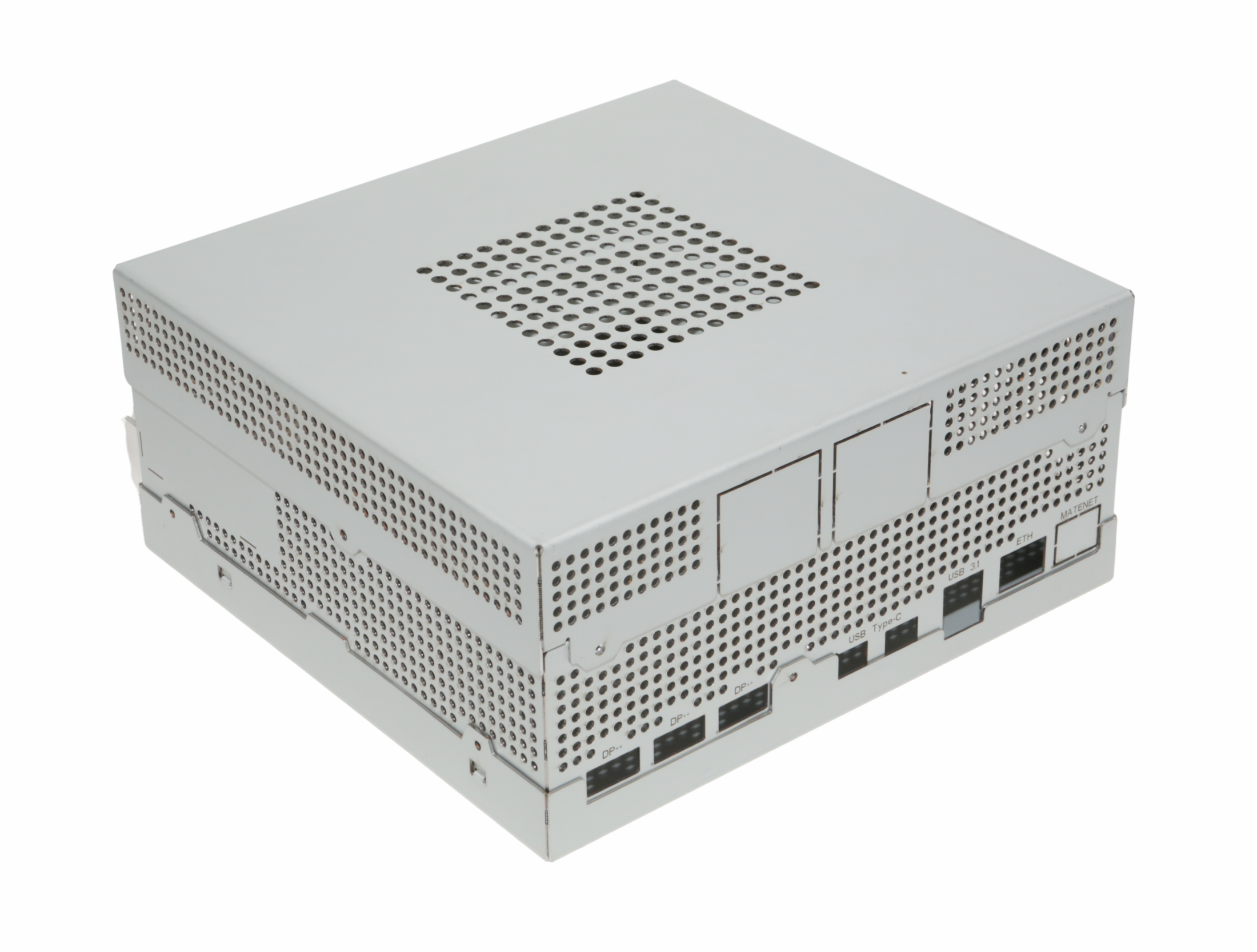
Formed from high-strength steels or lightweight aluminium alloys, these casings provide structural support and dimensional stability for interior and electronic assemblies. Precision tooling and controlled forming ensure consistent fitment across global production programmes.
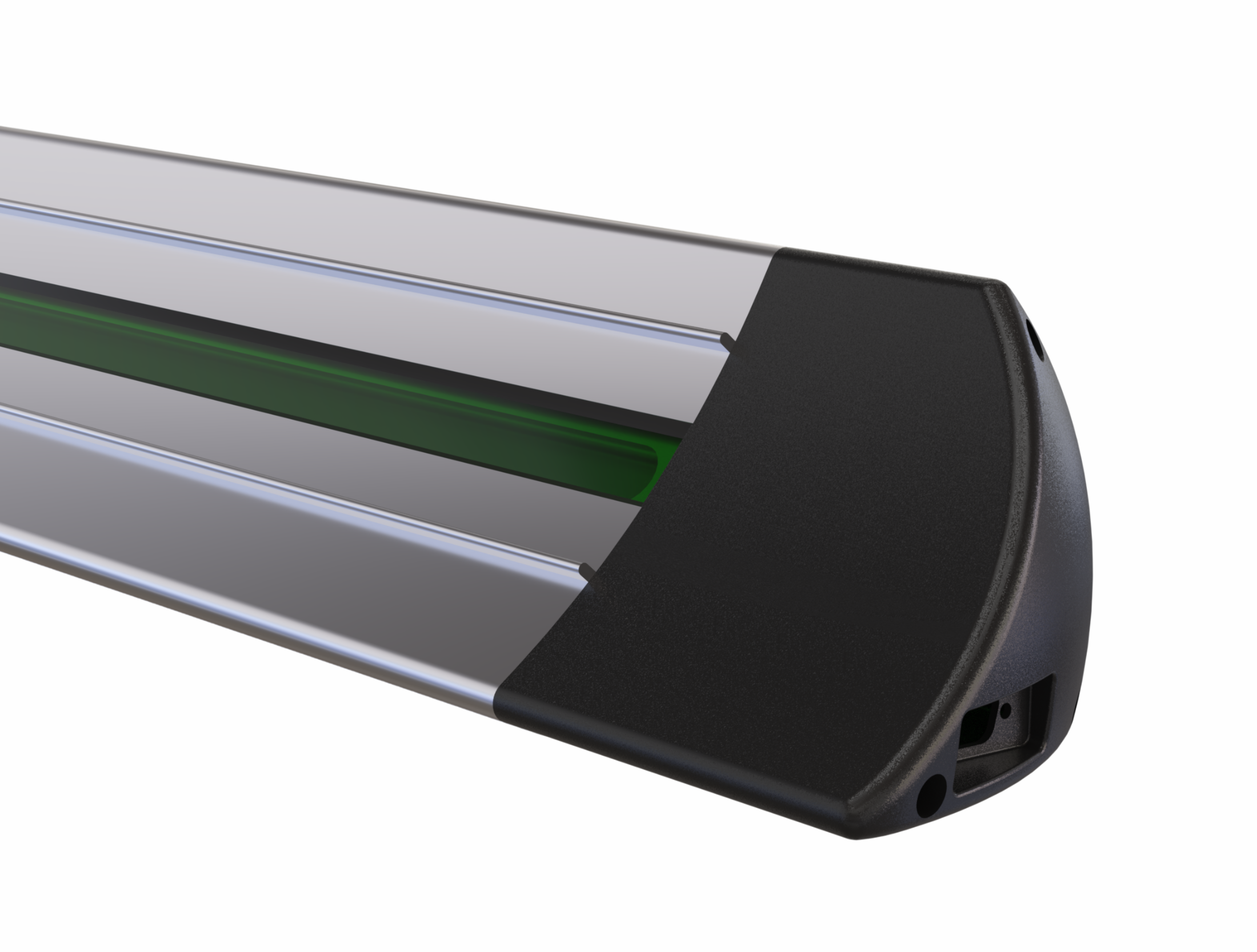
Accuracy in tread-testing equipment relies on components that remain stable under repeated load, motion, and outdoor exposure. Machined and fabricated metal parts maintain rigidity and wear resistance, supporting reliable measurements in fleet and workshop environments.

Designed to protect ADAS hardware, these shrouds reduce glare, debris impact, and aerodynamic disturbance around sensitive sensors. Lightweight metals and engineered polymers maintain visibility and alignment for accurate system performance.
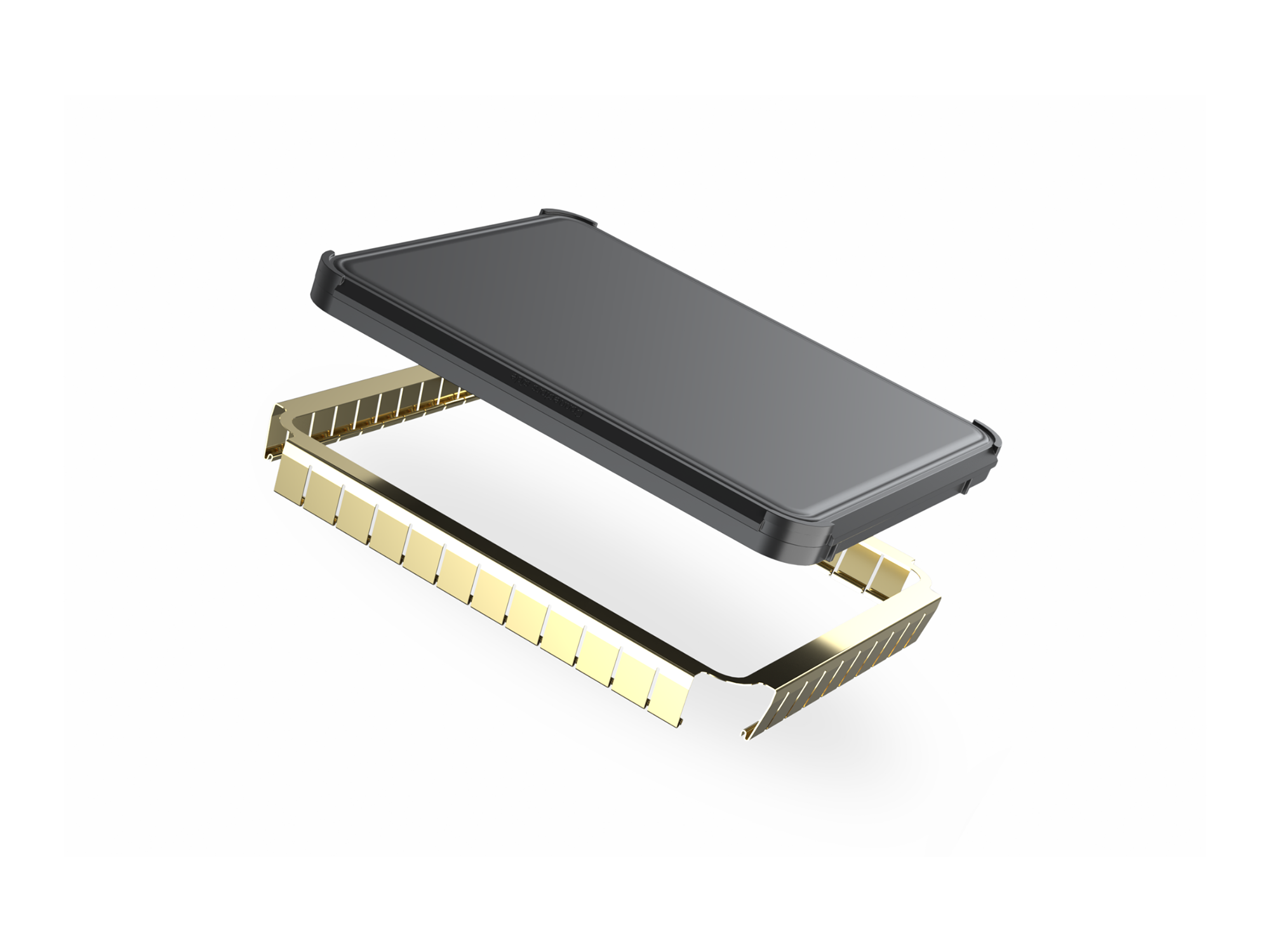
Auto-braking reliability depends on rigid interfaces that secure sensors in exact positions. These front plates use materials selected for stiffness and thermal stability, minimising distortion from vibration or temperature change to support consistent detection accuracy.
High-stability polymers are used to produce moulded ducting with smooth internal surfaces and uniform wall thickness, helping regulate airflow and reduce NVH inside the cabin. Each duct is engineered to perform consistently through wide temperature variations.
Whether you have a question, require more information, or want to discuss a potential project, our expert engineering and operations teams are on hand to help you.
We look forward to hearing from you and collaborating on innovative solutions for your business.
"*" indicates required fields