

Automotive & Transportation
Reliable, repeatable components and assemblies designed for performance and scalable manufacture.

Electronic systems now underpin almost every function within modern vehicles, controlling propulsion, energy management, sensing, connectivity, safety, and user experience. As electrification and autonomous technologies expand, these assemblies face increasing demands for thermal stability, electromagnetic compatibility, mechanical robustness, and precise packaging in increasingly restricted spaces.
To meet these expectations, manufacturers rely on components that maintain alignment, protect sensitive electronics, manage heat, and preserve signal integrity across millions of operating cycles. The challenge grows more complex as global platforms require identical performance from region to region, tighter validation timelines, and strict compliance with evolving international automotive and transportation standards.
DTI supports these demands by engineering housings, brackets, shielding systems, thermal structures, and mechanical interfaces using high-temperature polymers, lightweight alloys, conductive materials, and engineered composites. These components are developed for dimensional accuracy, structural stability, and long-term durability, helping electronic systems remain cool, protected, and electrically stable throughout their lifetime.
For automotive brands operating at scale, this approach reduces development risk, strengthens EMC performance, supports more accurate sensing, and improves durability under real-world conditions. The benefits extend across the full vehicle lifecycle – from smoother validation and reduced warranty concerns to stronger consumer confidence and more competitive product performance in an industry driven by rapid innovation.
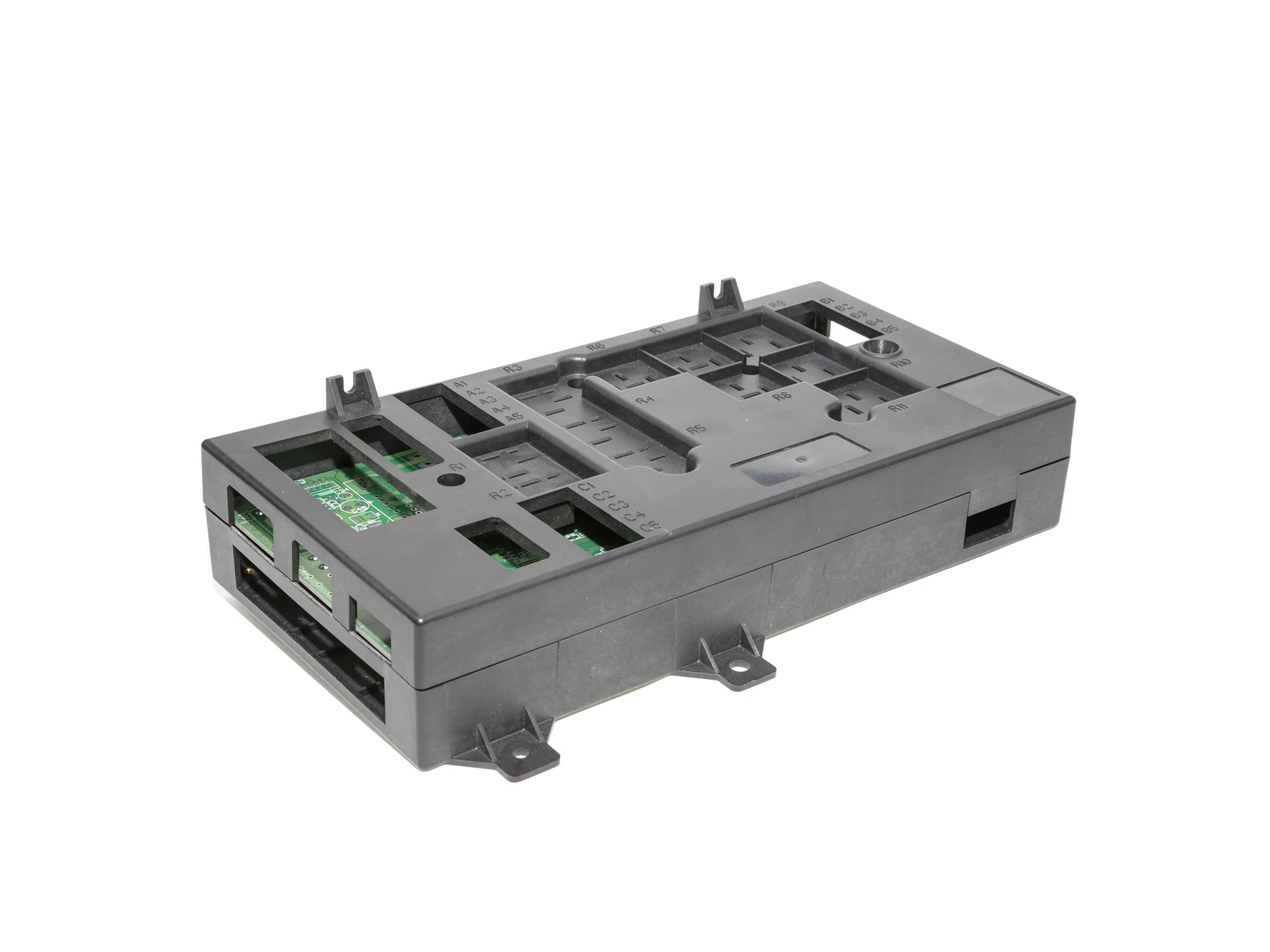
Engine-bay electronics operate under constant heat, vibration, and moisture exposure. Fuse-box housings produced in high-temperature polymers and corrosion-resistant metals maintain structural integrity, secure circuit retention, and stable electrical performance. Their durability supports the continuous load demands of commercial vehicles, EV platforms, and passenger cars across global environments.
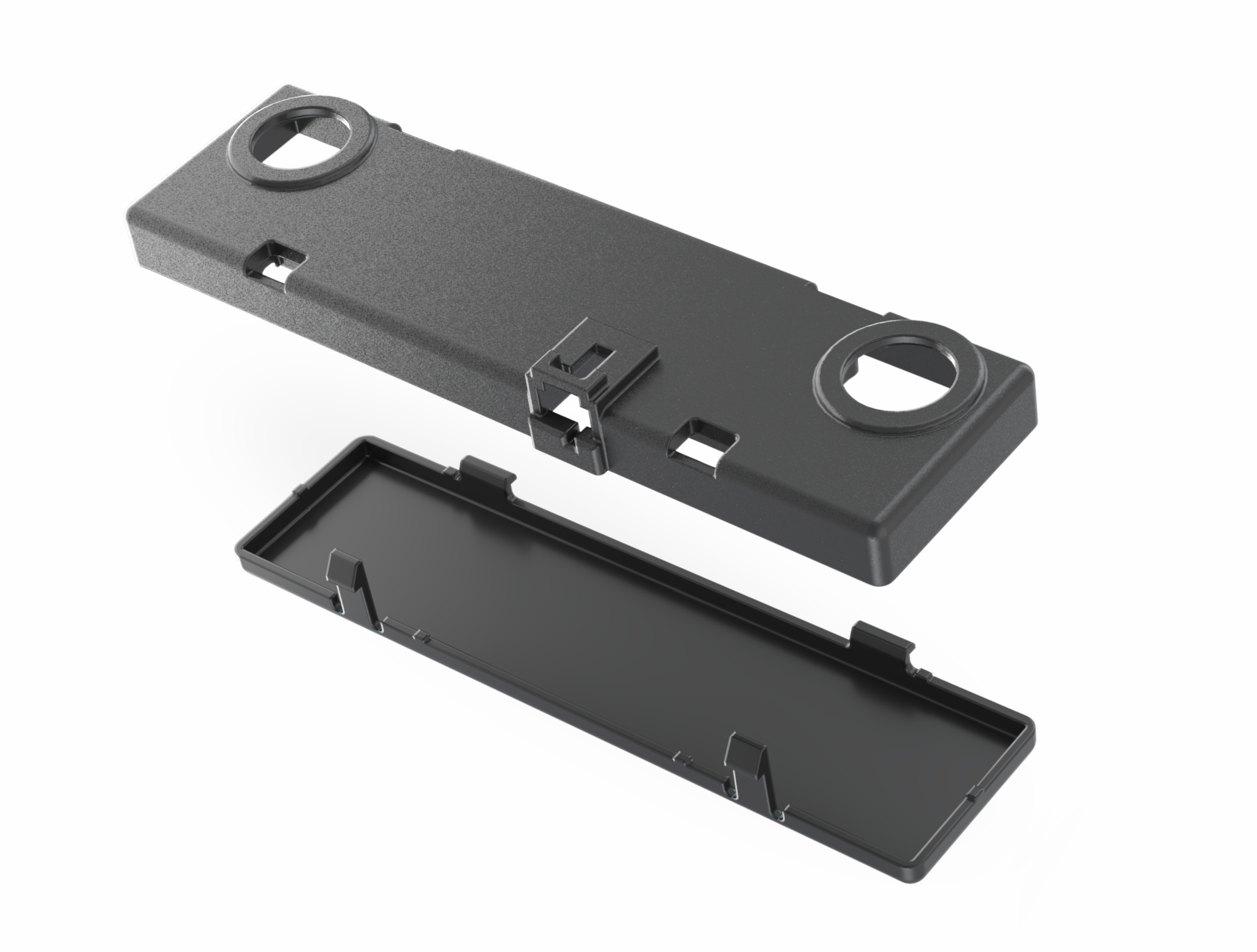
Accurate ultrasonic performance depends on rigid, vibration-stable mounting. DTI manufactures moulded and machined housings that protect transducers, maintain calibration, and preserve clean acoustic paths. Defined mounting geometry ensures reliable integration into interior modules where security and sensitivity are essential.
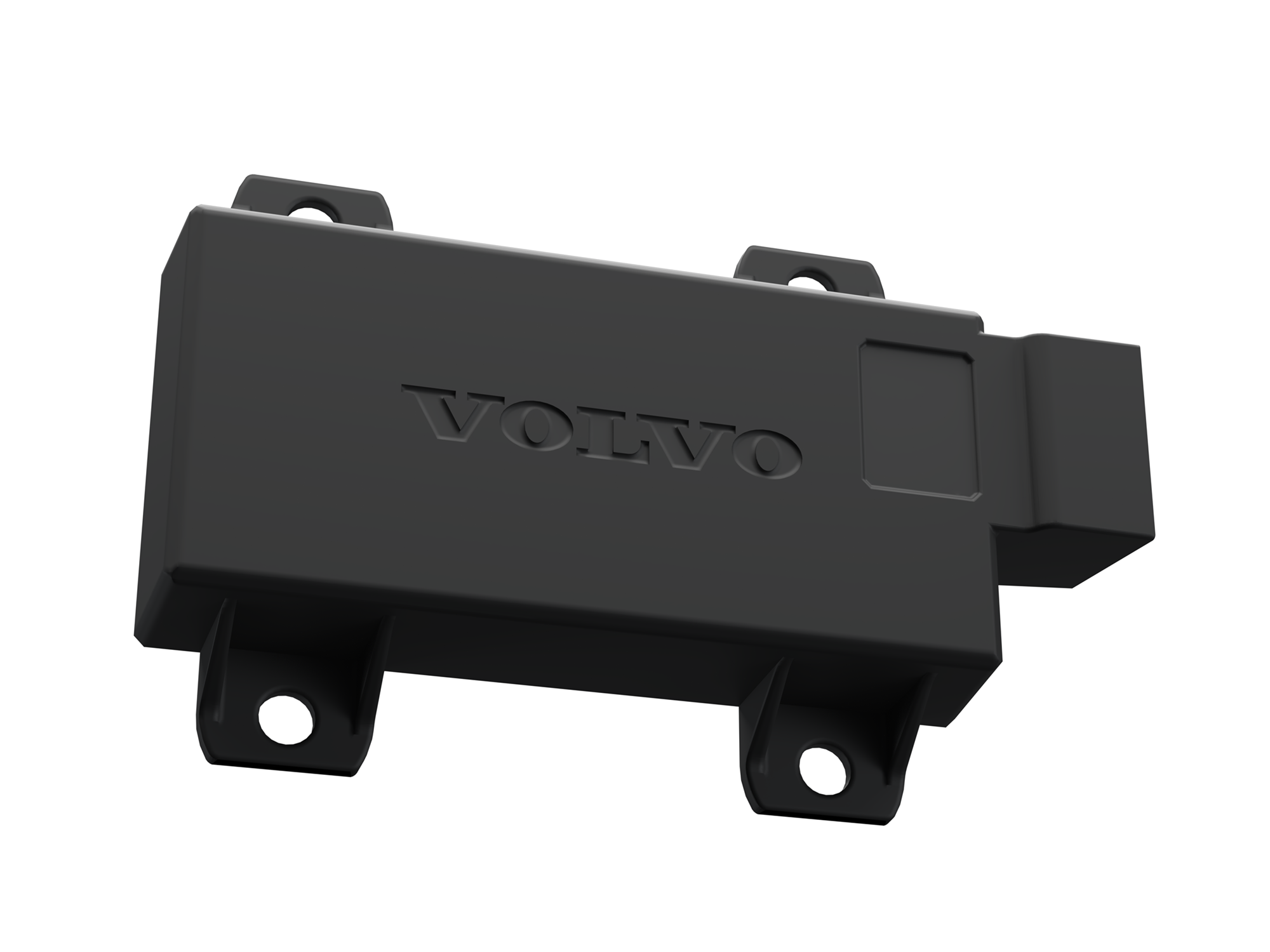
Modern radar systems require enclosures that protect internal electronics without disrupting signal consistency. Lightweight engineered polymers are formed with controlled wall thickness to provide impact resistance, moisture protection, and dimensional accuracy. These casings support ADAS, autonomous platforms, and roadside radar installations.

Autonomous and semi-autonomous systems rely on housings that prevent distortion, resist debris impact, and protect optics and electronics from environmental extremes. Components produced from reinforced polymers or precision metals help maintain exact sensor alignment, supporting accurate perception in demanding road conditions.
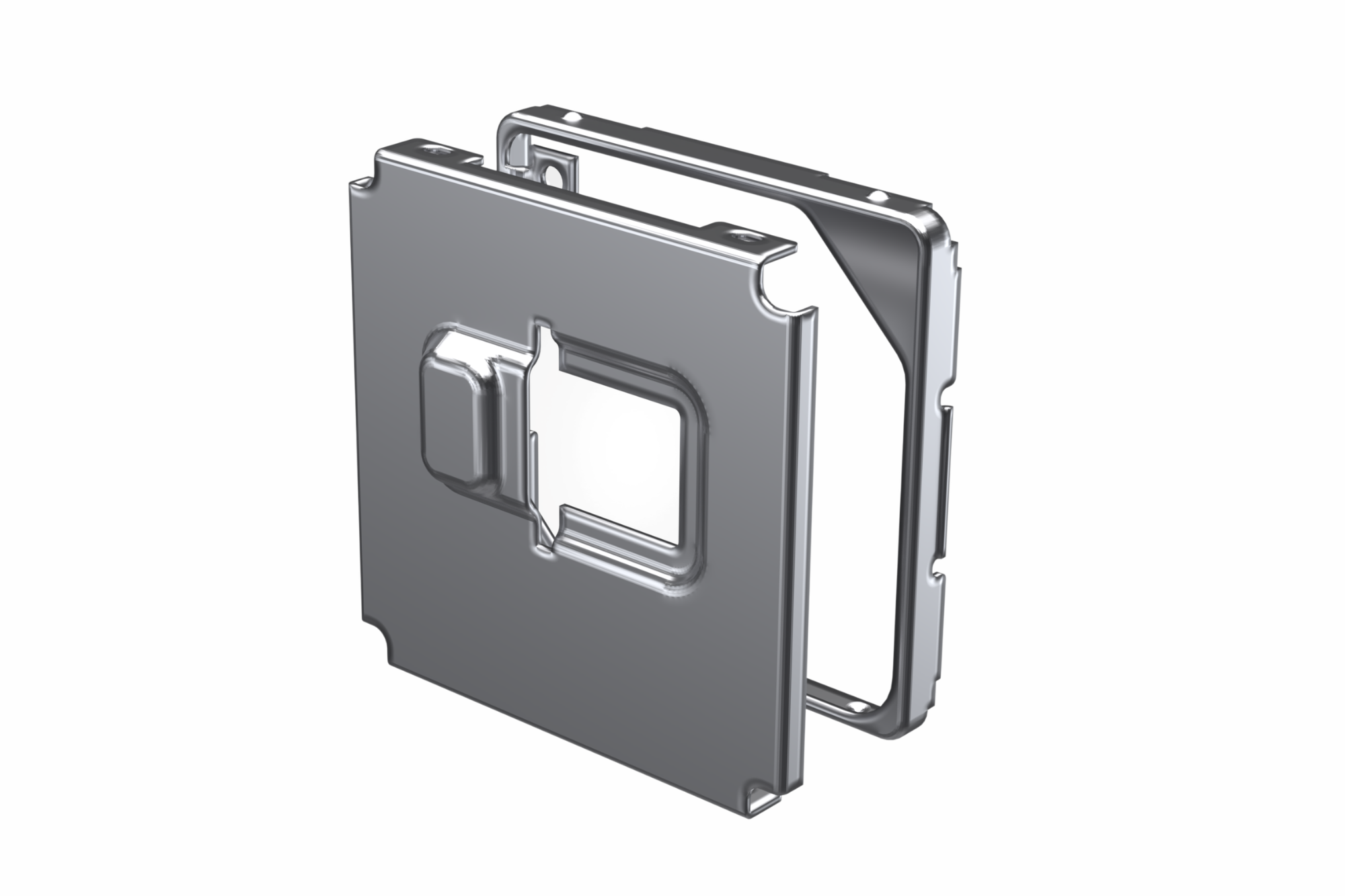
Increasing electronic density raises the importance of predictable EMC performance. RF can sets stamped from a range of metals deliver consistent grounding, stable shielding effectiveness, and uniform fitment across densely populated control boards. Their repeatability helps global OEMs meet stringent electromagnetic compliance standards.
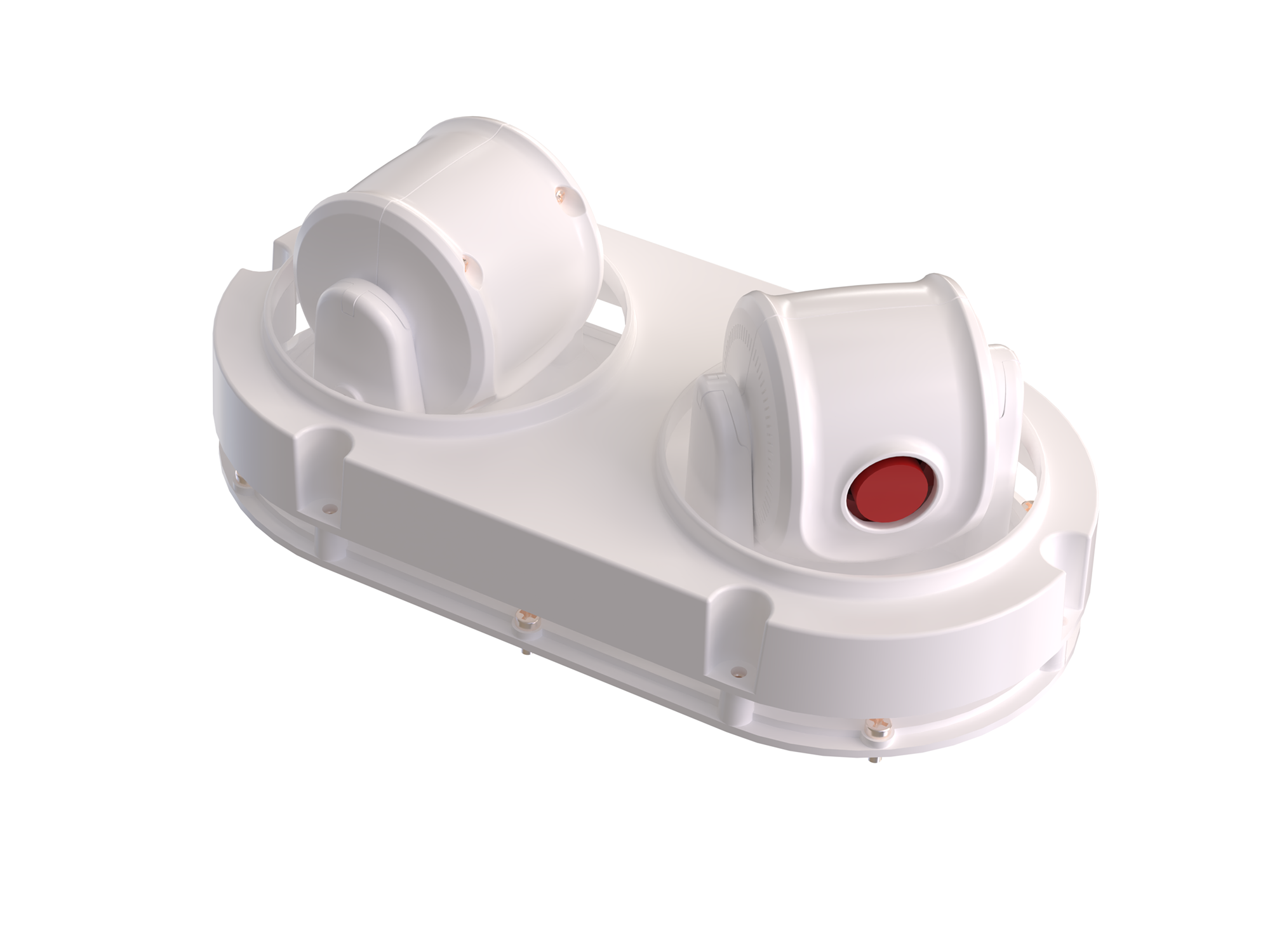
Roadside and urban monitoring hardware must operate reliably in exposed locations. DTI produces sealed, impact-resistant housings using coated metals and UV-stable polymers to protect optical and electronic sensor assemblies. These structures provide long-term resilience for ANPR systems, enforcement cameras, environmental sensors, and IT infrastructure.

Battery systems depend on components that support mechanical strength, thermal stability, and electrical isolation. Formed metal and polymer parts – including covers, carriers, cooling paths, and isolation structures – maintain precise tolerances and stable performance under vibration, crash loads, and thermal expansion throughout the vehicle lifecycle.
High-performance computing modules generate significant heat in compact spaces. Lightweight metal or hybrid housings with integrated heatsinks improve thermal dissipation, provide EMC stability, and protect internal assemblies. Materials and geometries are optimised for consistent airflow, conductivity, and mechanical performance.
Multi-region vehicle platforms require shielding components that deliver identical behaviour regardless of production location. IC RF can sets formed through controlled stamping maintain stable attenuation, clean grounding points, and dimensional consistency across international supply chains. This uniformity supports reliable computing performance in next-generation automotive systems.
Whether you have a question, require more information, or want to discuss a potential project, our expert engineering and operations teams are on hand to help you.
We look forward to hearing from you and collaborating on innovative solutions for your business.
"*" indicates required fields