

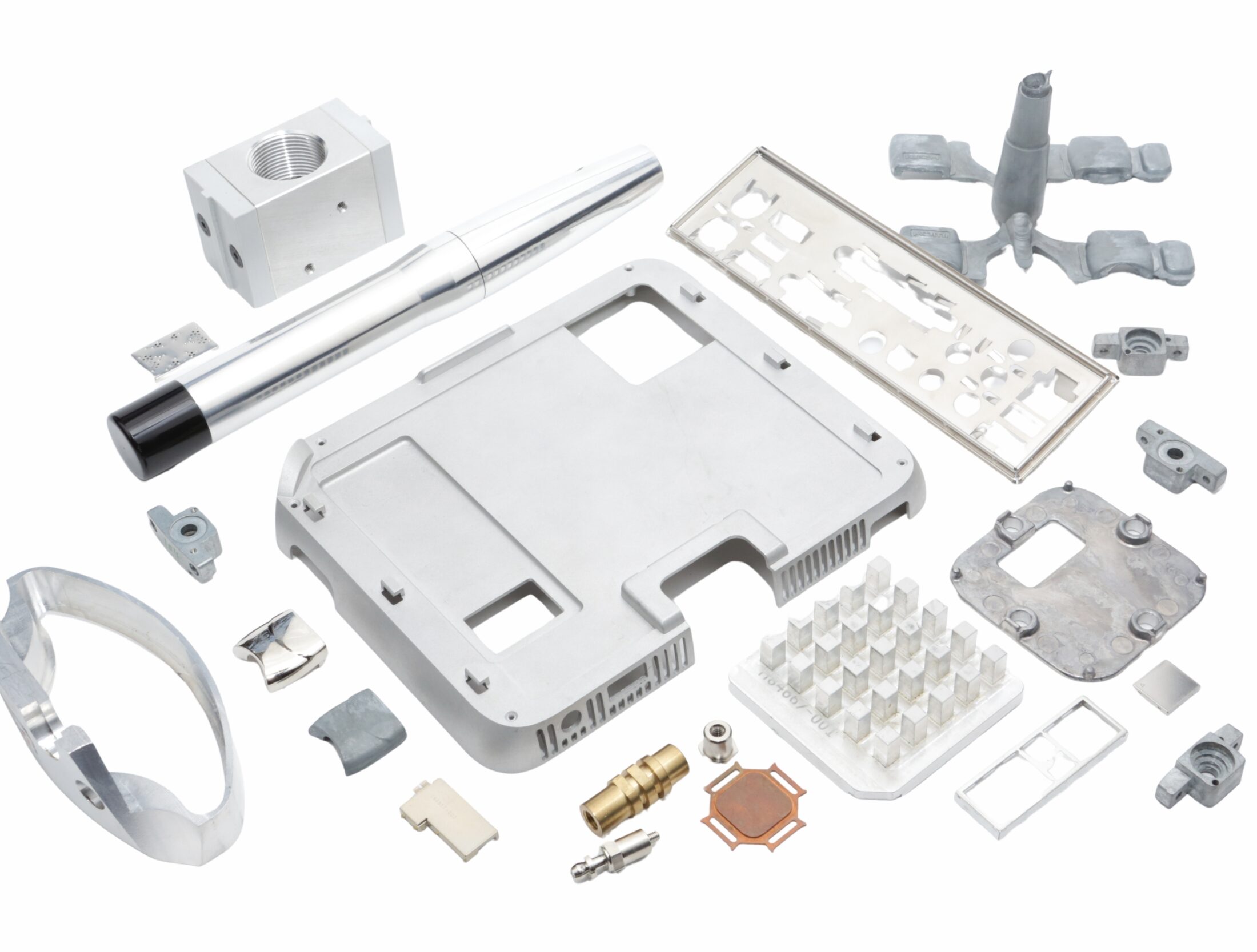
Selecting the correct metal is critical to how a product performs in its environment. Load, wear, corrosion, and temperature exposure all influence which grade, process, and surface treatment will deliver the best result. Our engineers help clients match these requirements with the most effective production method – whether stamping, casting, machining, or forming – ensuring that design intent and material behaviour remain aligned throughout manufacture.

Steel Alloys
Steel alloys are used wherever strength and durability are essential. Their stability under stress makes them a mainstay in mechanical, structural, and load-bearing components. Applications include industrial machinery, automotive systems, and defence assemblies, where parts must resist deformation and wear under continuous load.
Grades are selected for purpose, from high-tensile steels that offer exceptional strength to low-carbon options that enhance formability and cost efficiency. Surface treatments such as plating, painting, powder coating improve wear resistance and protect against corrosion in demanding environments.
Stainless Steel
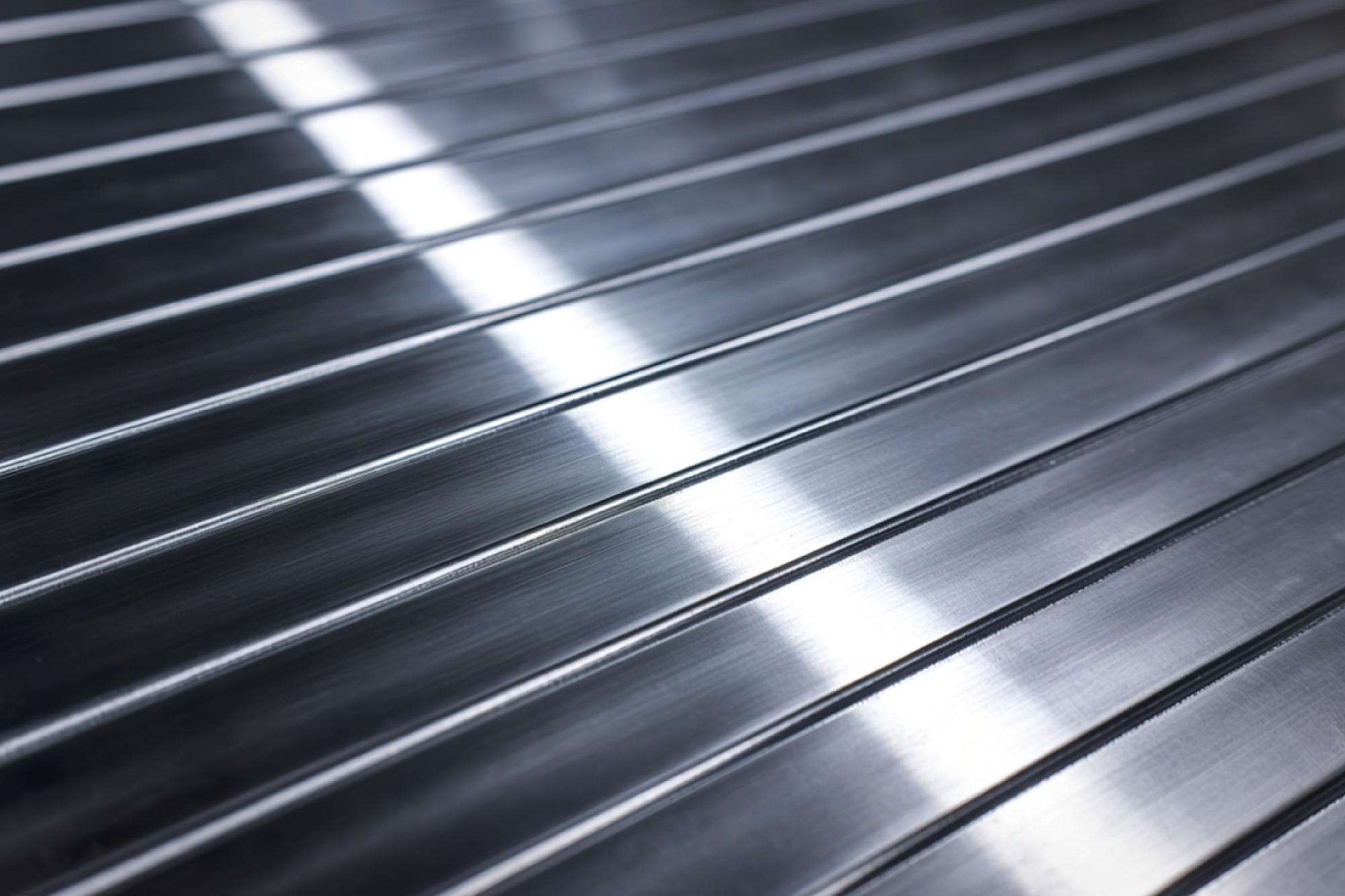
Stainless steel offers corrosion resistance, hygiene, and chemical stability, making it ideal for precision parts exposed to moisture, cleaning, or chemical contact. Typical uses include surgical equipment, laboratory hardware, food processing components, and marine fittings.
Grades such as 304 and 316 are chosen for their balance of machinability, strength, and finish quality – essential in environments where both appearance and performance are closely regulated. Its inert surface and long service life also make stainless steel a preferred option for medical and diagnostic equipment requiring reliability under sterilisation and repeated use.
Aluminium
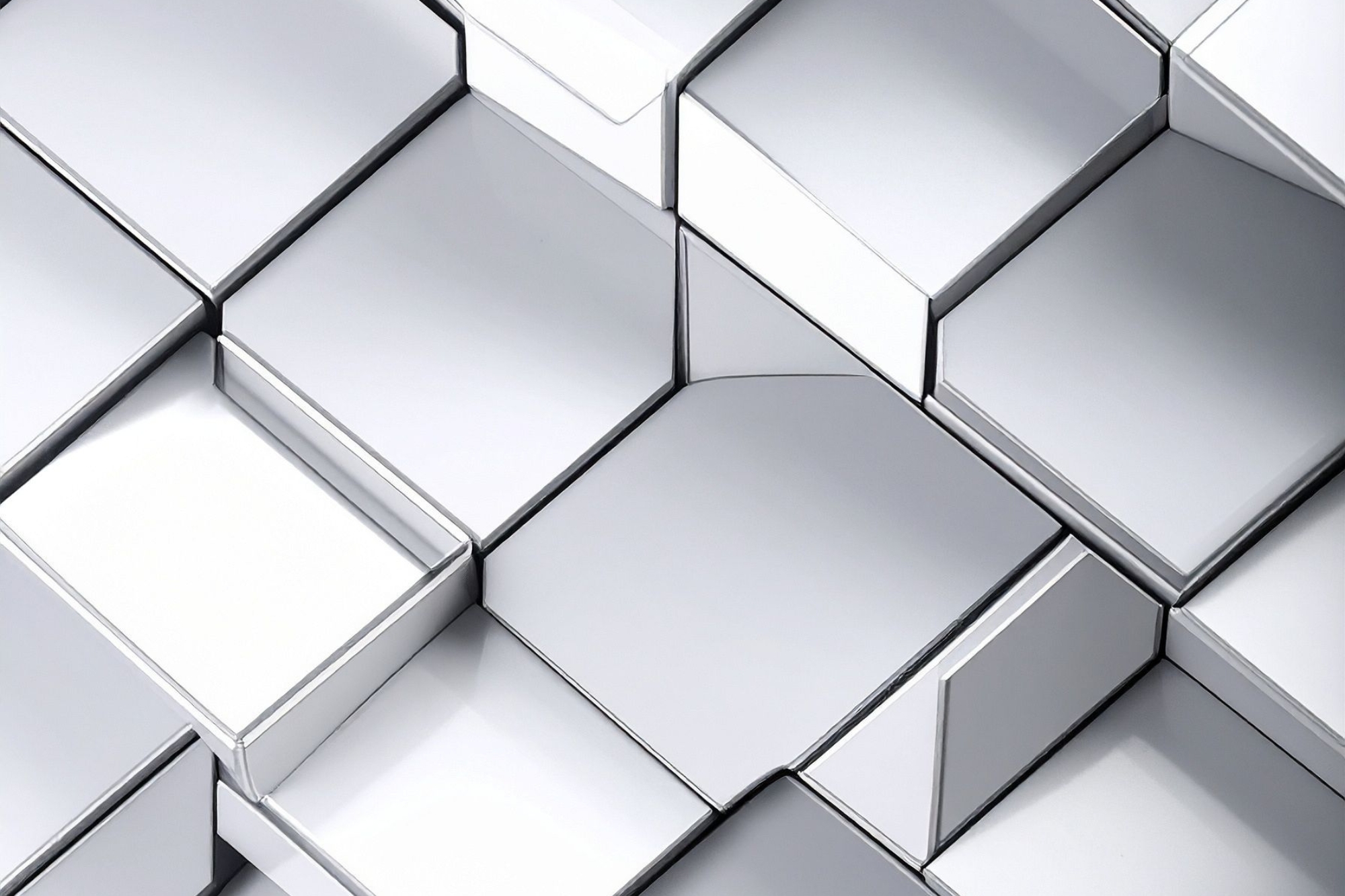
Aluminium combines lightweight strength with excellent conductivity and corrosion resistance, supporting applications where reduced mass and thermal management are key. It is widely used in electronics, data infrastructure, and automotive systems, where enclosures and housings must remain robust while dissipating heat efficiently.
Our engineers specify aluminium for die-cast housings, extruded profiles, and machined components, often finished with anodising or powder coating to improve appearance and durability. The material’s high thermal conductivity also makes it an effective choice for data centre equipment, lighting assemblies, and control systems that require passive heat dissipation and long-term stability.
Brass
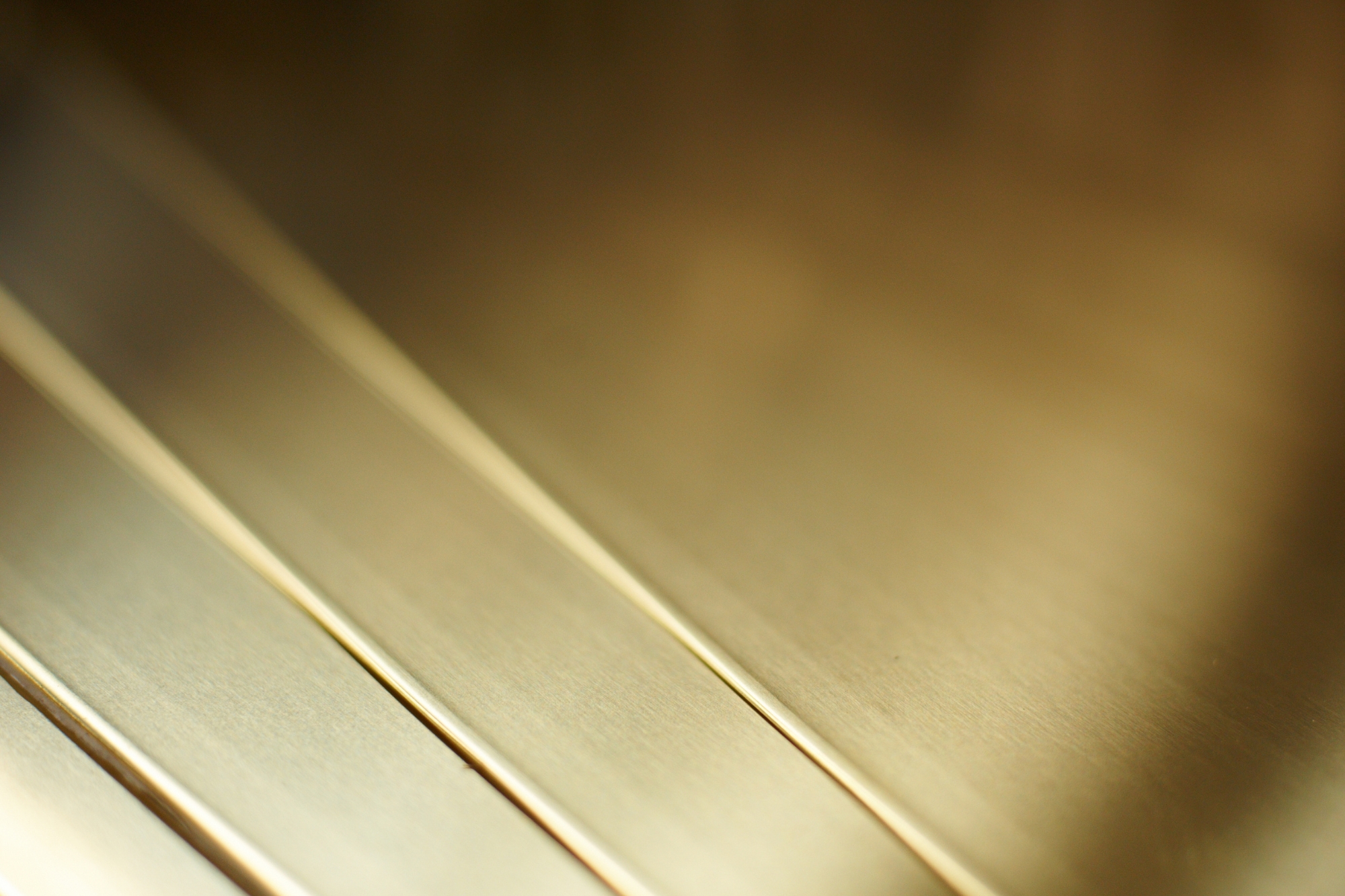
Brass combines machinability, corrosion resistance, and electrical conductivity, making it ideal for components that require precision and visual quality. It is frequently used in electronic connectors, valve fittings, and instrumentation where tight tolerances, smooth threads, and repeatable assembly are essential.
Its low friction and resistance to tarnish make brass particularly suited to components that must be disassembled or adjusted repeatedly, maintaining both performance and aesthetic consistency throughout service life.
As lead-reduction initiatives gain momentum – driven by regulatory requirements such as Proposition 65 and wider customer demand for safer material profiles – DTI also supports the development of alternative alloys and material substitutions. These options are engineered to meet the same mechanical, electrical, and cosmetic expectations while reducing regulatory risk and long-term compliance burdens.
Beryllium Alloys
Beryllium-copper alloys deliver a rare combination of electrical and thermal conductivity with mechanical strength. These characteristics either as raw or plated parts, make them valuable in aerospace, defence, and high-performance electronics, for items such as spring contacts, signal connectors, and precision instruments.
Strict handling and processing controls ensure dimensional accuracy and material integrity are maintained throughout manufacture, supporting reliable electrical performance in the most demanding environments.

Other Exotic Alloys and Materials
High-performance alloys such as Inconel, titanium, and nickel-based materials are selected for use in high-temperature, high-stress, or corrosive environments. These materials are commonly used in energy systems, marine engineering, and aerospace applications where conventional metals cannot maintain performance stability under extreme conditions.
Their exceptional strength-to-weight ratios and resistance to oxidation make them ideal for turbine components, fasteners, and precision sealing systems that must operate reliably through repeated thermal or mechanical cycling.
Explore materials
Selecting the right material early in the design process helps avoid downstream issues, reduces waste, and ensures consistent, repeatable results. Find below other materials for you to explore.
Get in touch today to discuss your next project
Whether you have a question, require more information, or want to discuss a potential project, our expert engineering and operations teams are on hand to help you.
We look forward to hearing from you and collaborating on innovative solutions for your business.
"*" indicates required fields