
Plenty of medical products fail long before they reach the market, not because the technology doesn’t work, but because they weren’t designed with manufacturing in mind.
Every single design must balance performance, patient safety, regulatory compliance and commercial viability, often while working within tight development timescales.
It’s a challenge that many organisations underestimate.
A product may perform exactly as intended during the development process, but if it relies on high-risk tooling, unmanageable manufacturing tolerances, or materials that cannot withstand repeated sterilisation or cleaning, the consequences can be significant.
Delays to market, rising production costs and costly redesigns are all common outcomes when manufacturing and compliance are treated as separate stages of the development process.
This is where Design for Manufacturing (DFM) comes in.
Rather than asking whether a product can be manufactured once the design is complete, DFM asks a more valuable question from the very beginning:
“How should we design this so it can be manufactured efficiently, comply with regulatory requirements and remain reliable throughout its lifecycle?”
For medical products, especially, that distinction is critical.
Because compliance isn’t simply something to achieve before launch; it’s a design parameter that should influence material selection, component design, assembly methods and manufacturing processes from the outset.
By integrating these considerations early, manufacturers can reduce risk, improve product quality and create solutions that are both technically successful and commercially viable.
Read on to learn more about why DFM matters in medical product development, decisions that shape manufacturing success, the pitfalls of not considering manufacturing sooner and explore DFM principles in practice.
Why Design for Manufacturing Matters in Medical Product Development
It’s true that every industry benefits from Design for Manufacturing, but medical devices introduce a unique set of challenges.
One reason is the pace at which the industry evolves.
Innovation in medical technology moves quickly. New materials, manufacturing techniques and electronic systems are constantly emerging, while regulatory frameworks inevitably evolve more slowly as technologies become proven, predictable and widely accepted.
Designing products that satisfy today’s requirements, while anticipating tomorrow’s standards, is therefore a fundamental part of Design for Manufacturing.
In medical manufacturing, compliance isn’t another box to tick before launch; it’s an integral part of the engineering brief from day one.
All products must comply with multiple regulatory requirements, perform reliably over many years and be manufactured consistently with full traceability.
And when choosing the materials, durability, cleaning agents, and biocompatibility must all be key considerations.
Because components must be designed for repeatable assembly and testing, while servicing and end-of-life requirements also need to be planned long before production begins.
This is why experienced manufacturers build compliance into the product specification rather than treating it as a final approval stage.
As DTI’s engineering team explains, companies should develop their compliance strategy at the same time they develop the product itself. Regulations covering everything from ISO standards and REACH for chemical safety to packaging, recycling and future legislative changes all influence engineering decisions.
Leaving these considerations until later can result in expensive tooling modifications, repeated validation work or complete product redesigns.
Four Design Decisions That Shape Manufacturing Success
1. Material selection
The materials chosen for a medical product determine far more than its appearance or strength. They influence mould shrinkage, flow characteristics, tooling design, manufacturability and the ability to maintain critical tolerances consistently throughout production.
Engineers must balance mechanical performance with factors such as chemical resistance, cleanability, weight, production methods and cost, while ensuring the selected material behaves predictably during manufacture and throughout the product’s operational life.
In many healthcare applications, materials must also withstand repeated exposure to cleaning agents or incorporate antibacterial properties while meeting recognised testing standards.
Choosing the right material at the concept stage avoids unnecessary redesign later and helps ensure the finished product can be manufactured consistently throughout its lifecycle.
2. Simplifying components
One of the most effective DFM principles is reducing unnecessary complexity.
Fewer parts generally mean faster assembly, lower tooling costs, simplified inventory management and fewer opportunities for manufacturing errors.
DTI applied this approach during the development of a medical product with a highly complex internal plumbing system. Rather than producing one intricate moulding that required complex side actions and moving tooling elements, the assembly was redesigned as a series of simpler moulded components.
The result was a more reliable production process, lower tooling costs, faster moulding cycles and improved long-term manufacturability, all without compromising performance.
3. Designing for assembly and servicing
Manufacturing doesn’t end when a product leaves the production line.
Medical devices often require servicing, maintenance and upgrades throughout their operational life, making accessibility an important part of good design.
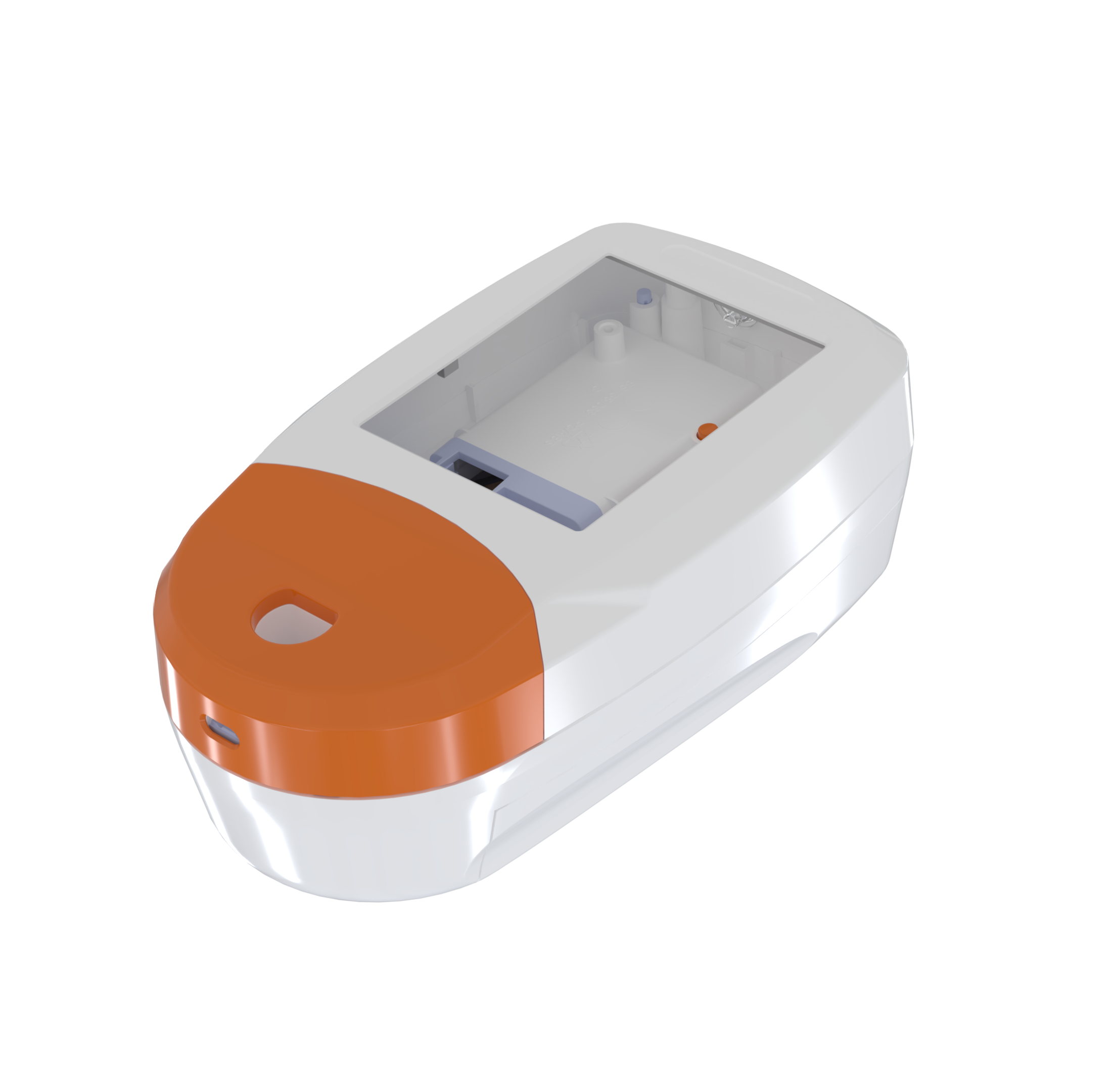
DTI’s redesign of an established portable breath analysis device demonstrates this principle in practice. While integrating new sensor technology and a touchscreen interface within the existing product footprint, the engineering team also introduced a cartridge-based servicing system.
Components that previously required the device to be returned to a service centre could now be replaced by users in under a minute, dramatically reducing downtime and lowering lifetime ownership costs.
4. Selecting the right manufacturing process
Manufacturing process selection defines many of the rules the design must follow. Whether they’re using injection moulding, CNC machining or electronics assembly, each process influences draft angles, wall thicknesses, tolerance, surface finishes and thermal behaviour.
Design for Manufacturing bridges the gap between engineering intent and manufacturing reality, ensuring innovative concepts can be produced consistently at volume.
Considering these factors early enables engineers to optimise production efficiency while reducing waste, build time and manufacturing costs.
Designing with manufacturing in mind isn’t about limiting innovation; it’s about ensuring innovative products can be produced consistently, economically and at scale.
When Manufacturing Is Considered Too Late
One of the biggest mistakes companies make?
Treating manufacturing and compliance as activities that happen after the design has been completed.
In reality, decisions made during concept development can have significant implications later in the project. Examples include:
- Choosing unsuitable materials or specifying unnecessarily tight tolerances
- Overlooking future regulatory changes
- Designing components that are difficult to manufacture
These choices can all lead to increased tooling costs, production delays and repeated validation work. In some cases, products may even require extensive redesign before they can enter production.
At DTI, we have seen this first-hand.
During the development of a clinical device, the engineering team incorporated a removable battery pack, even though the regulations in force at the time did not require it. The decision was based on awareness that legislation under discussion was likely to make removable batteries mandatory in the future. Had the feature been added later, the product would have required substantial redesign and expensive re-testing before it could remain compliant.
The lesson is clear: anticipating future compliance requirements is far less costly than redesigning a product once regulations change. Building that foresight into the engineering process reduces risk, protects investment and helps products remain commercially viable throughout their lifecycle.
Design for Manufacturing in Practice
Effective Design for Manufacturing is not a single design review or checklist.
In fact, the opposite is true.
DFM is a collaborative process that brings together product designers, manufacturing engineers and supply chain specialists from the earliest stages of development.
At DTI, projects typically begin by establishing not only the product’s functional requirements, but also its intended markets, production volumes, regulatory obligations and expected service life.
It’s these considerations that shape the engineering specification from the outset, influencing material selection, manufacturing processes, testing requirements and production planning before detailed design work can begin.
This integrated approach allows potential manufacturing challenges to be identified early when changes are relatively straightforward to implement rather than costly to correct.
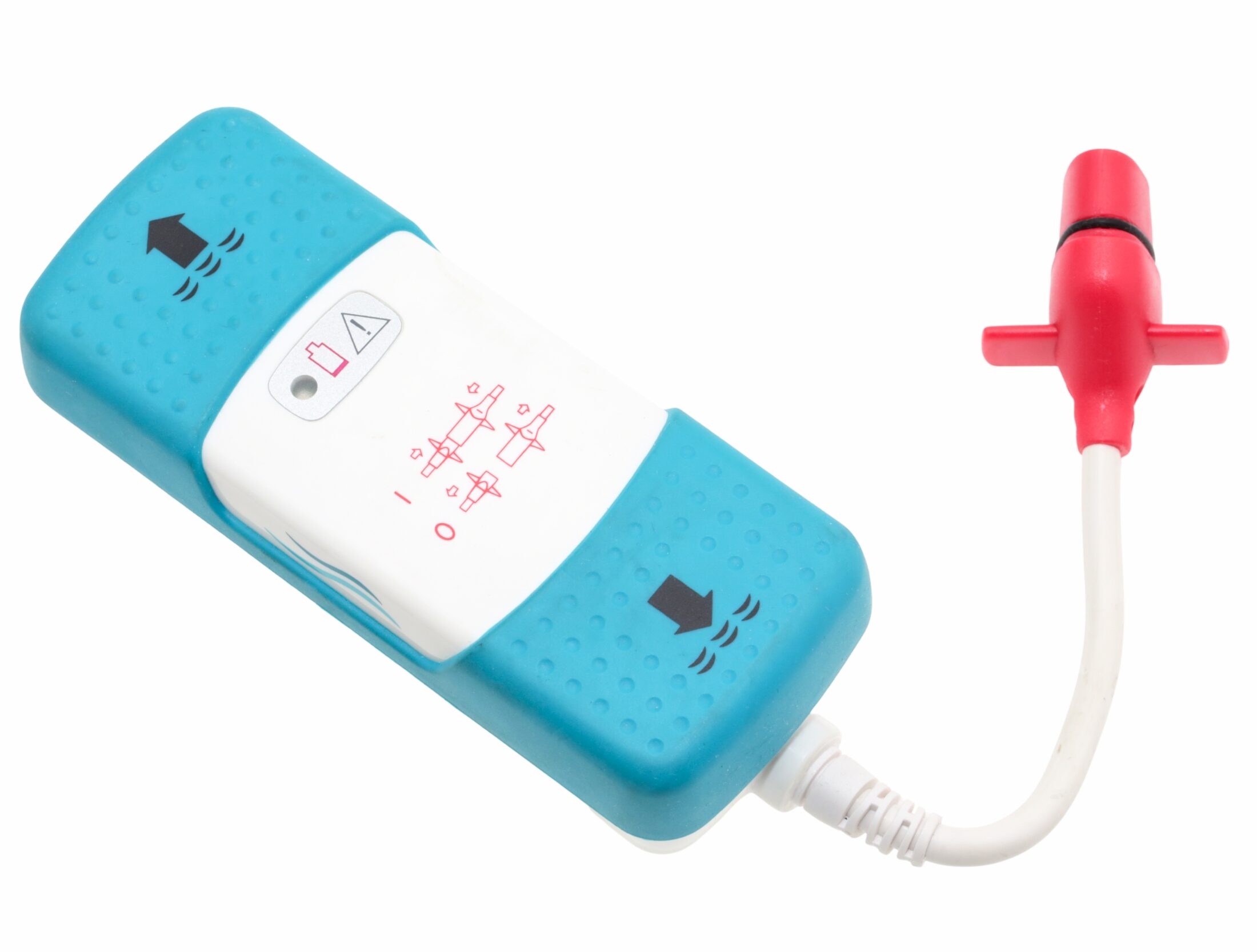
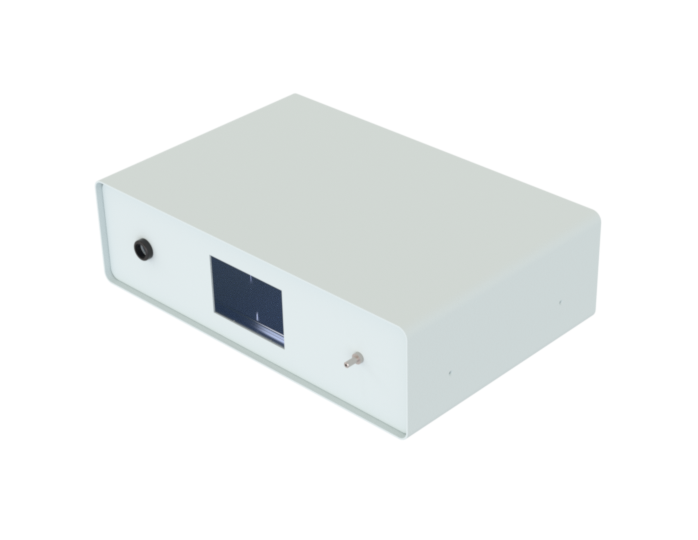
A recent redesign of a monitoring system for assisted bathing equipment demonstrates the value of this philosophy.
The challenge was to create a compact device capable of recording equipment usage within demanding healthcare environments without affecting the performance of the existing product. But the solution had to be unobtrusive and reliable.
Mechanical and electronic development progressed in parallel, allowing the enclosure, PCB layout and manufacturing processes to be optimised together. Internal support features, sealing methods and assembly processes were refined before production tooling was commissioned, ensuring both manufacturability and long-term reliability.
A similar approach was taken during the redesign of a clinical diagnostic platform, where modular sub-assemblies improved service access, simplified testing and created a product architecture capable of accommodating future technology upgrades without redesigning the entire enclosure.
Although each of our projects presented different engineering challenges, they all demonstrate the same principle: products perform better when design and manufacturing evolve together.
Engineering Products for Long-Term Success
As innovation continues to outpace regulatory change, Design for Manufacturing provides a practical framework for balancing technical ambition with compliance, manufacturability and long-term product reliability.
For DTI, this philosophy has shaped more than three decades of engineering across medical, healthcare and other highly regulated industries.
By bringing them together under one coordinated process, we can help clients develop products that are not only innovative, but engineered for repeatable, scalable and compliant manufacture.
Whether you’re developing a completely new medical device or preparing an existing product for manufacture, investing in Design for Manufacturing from day one is a very effective way to reduce development risk, improve the quality of the product and accelerate the journey from concept to production.
Looking for a design and manufacturing partner?
DTI works with medical device companies at every stage of the product lifecycle. By embedding Design for Manufacturing principles into every project, our team helps clients deliver innovative products that meet regulatory requirements, perform reliably and are ready for efficient, scalable manufacture.
Contact us today for more information or to discuss your project in more detail.

Get in touch today to discuss your next project
Whether you have a question, require more information, or want to discuss a potential project, our expert engineering and operations teams are on hand to help you.
We look forward to hearing from you and collaborating on innovative solutions for your business.
"*" indicates required fields