

Hardware & Mechanical Components
Modern vehicle programmes depend on mechanical components that deliver consistent performance under demanding thermal, vibration, and environmental conditions.

Beyond the vehicle itself, the supporting ecosystem continues to expand. Roadside monitoring systems, environmental sensors, digital enforcement cameras, telematics modules, and EV charging infrastructure rely on components that withstand moisture, temperature extremes, vibration, UV exposure, and long, maintenance-light service lives. These assemblies depend on materials and structures engineered for stability, corrosion resistance, and environmental endurance across diverse global climates.
Inside the vehicle, expectations increase with every generation. ADAS and autonomous platforms rely on precise sensor alignment and rigid mechanical interfaces that remain stable across years of vibration and temperature cycling. EV battery assemblies require thermally balanced metals and polymers that support heat management, electrical isolation, and crash performance. Interior structures must combine lightweight construction with strength, using engineered polymers, aluminium, and hybrid composites to achieve the surface quality, NVH behaviour, and dimensional accuracy required by global automotive brands.
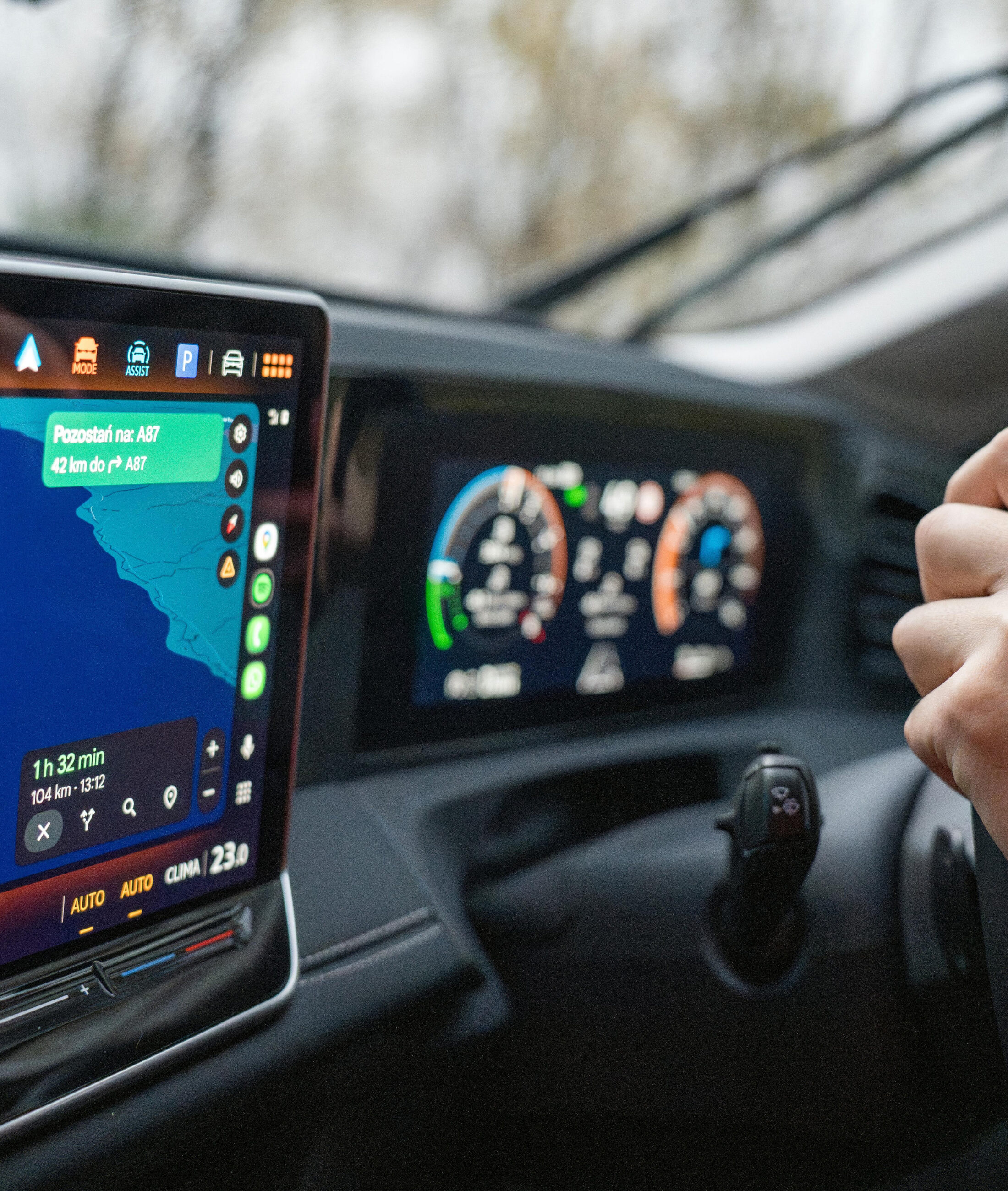


Across all these environments, components must demonstrate repeatable performance at scale. High-strength steels, lightweight aluminium alloys, conductive materials for EMC stability, reinforced polymers, and technical composites are chosen for specific mechanical, thermal, or electrical behaviours. Consistent forming, moulding, casting, and machining processes help ensure reliable integration into complex assemblies across multi-region programmes.
For manufacturers competing in a rapidly evolving market, these qualities support more than engineering performance. Reliable, well-executed components reduce programme risk, streamline validation, and strengthen confidence during global production ramp-up. They contribute to higher perceived quality, improved safety ratings, and long-term durability – factors that directly influence consumer trust, fleet longevity, and brand reputation. For engineering, procurement, and leadership teams, dependable component performance supports smoother launches, stronger commercial outcomes, and steady progress toward ambitious goals in electrification, autonomy, sustainability, and market growth.
Modern vehicle programmes depend on mechanical components that deliver consistent performance under demanding thermal, vibration, and environmental conditions.
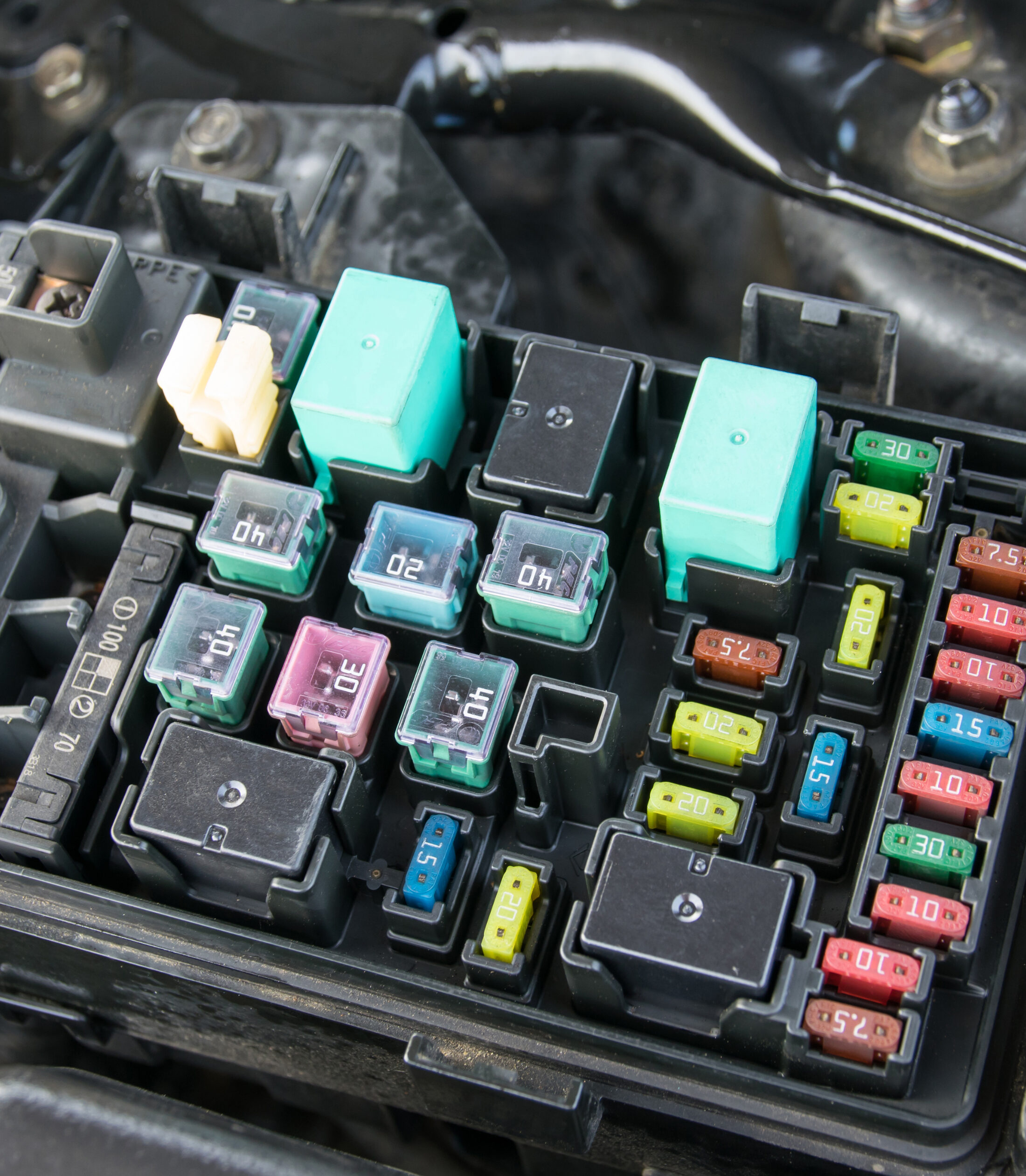
Electronic systems now underpin almost every function within modern vehicles, controlling propulsion, energy management, sensing, connectivity, safety, and user experience.

Whether you have a question, require more information, or want to discuss a potential project, our expert engineering and operations teams are on hand to help you.
We look forward to hearing from you and collaborating on innovative solutions for your business.
"*" indicates required fields