

Original Equipment Manufacturing (OEM) is the production of components, assemblies, and sub-systems that become part of another company’s finished product. It’s a process that demands precision, repeatability, and absolute control, where consistency matters just as much as innovation.
DTI supports OEM programmes by connecting design and manufacture. Acting as an extension of each client’s engineering team, we take concepts, CAD data, or defined part requirements and turn them into production-ready components and assemblies.
Every project is managed under a single system that unites design, prototyping, tooling, and volume manufacture, ensuring consistency and traceability from the first sample to full production. This joined-up approach gives OEM clients stability across global supply chains, reduces administrative load, and maintains complete accountability throughout the process.
From precision housings and brackets for automotive and electronics to sterile-grade assemblies for medical applications, DTI’s adaptable structure supports programmes across all volumes and sectors, combining technical precision with commercial control. Whether the requirement is a low-volume technical part or a high-volume production line component, every aspect is managed with the same discipline and attention to detail.
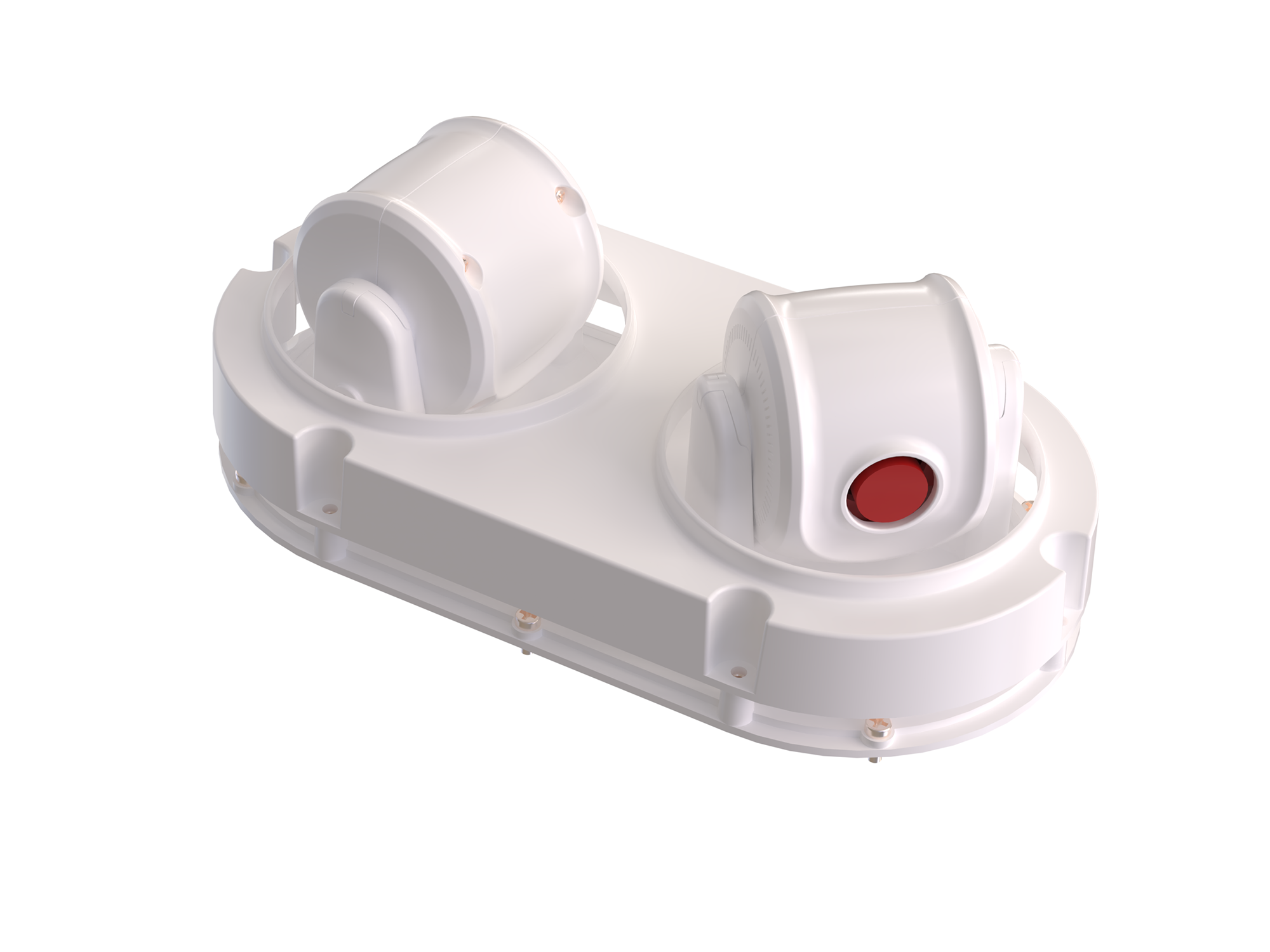
Full Product Development (NPD)
New product development connects design intent with manufacturing reality. Each phase, from concept and feasibility through to validation and production release, is managed as a continuous process ensuring that progress remains controlled, traceable, and efficient.
This structured approach accelerates development, reduces revision cycles, and provides a clear path from idea to production-ready outcome.
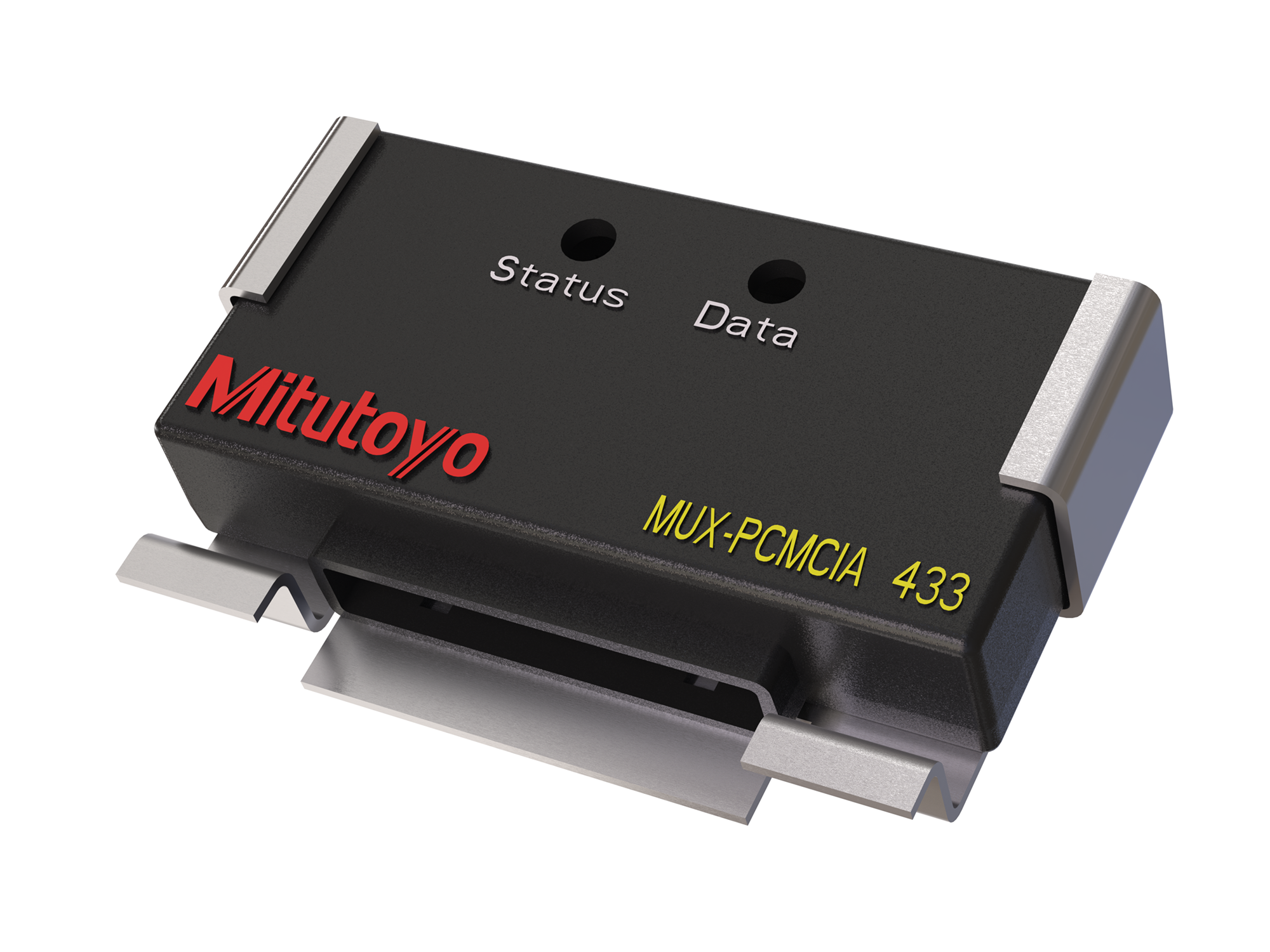
Product Design & Engineering
Successful products begin with designs that understand manufacture. Layouts, materials, and assembly strategies are developed to achieve functional performance while keeping tooling and production efficient.
Through advanced simulation such as Mould Flow, Stress analysis and digital validation, potential weak points or over-complex features are identified early.
This proactive approach avoids expensive redesign later and ensures that every component, from a precision connector housing to an automotive bracket, can be produced reliably and assembled without adjustment.
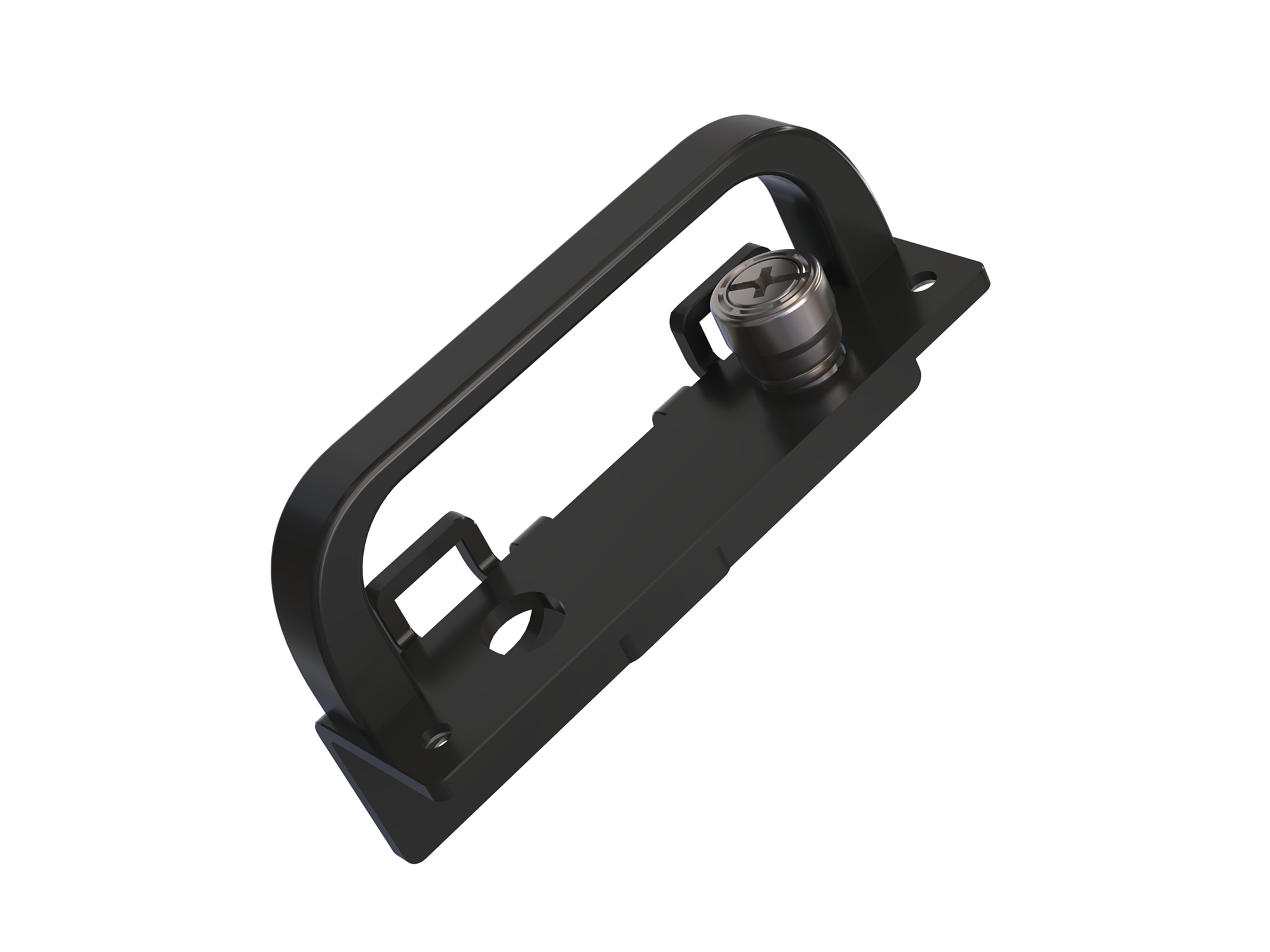
Conceptual Design & Feasibility
Concept and feasibility studies confirm whether a design will meet both technical and commercial objectives before major investment is made. Early modelling, material trials, and cost evaluation highlight potential risks and opportunities for optimisation.
This evidence-led approach focuses resources where they add value, ensuring decisions are based on verified data rather than assumption. The outcome is greater confidence in both design and process, reduced development risk, and shorter time to production approval.

Prototyping & Validation
Prototyping brings designs to life by turning digital concepts into physical parts where function, geometry, and manufacturability can be tested in real-world conditions. Using the most appropriate method for each project – including 3D printing (FDM, SLA, SLS), CNC machining, and soft tooling – prototypes can be produced quickly and accurately to mirror final production intent. Refinements made at this stage are faster and far more cost-effective than later in production.
Validated prototypes eliminate uncertainty before tooling begins, giving engineering teams, marketing departments, and procurement managers confidence that the final design will perform as required and that the transition into volume manufacture will be stable, predictable, and repeatable.
Design for Manufacture (DFM)
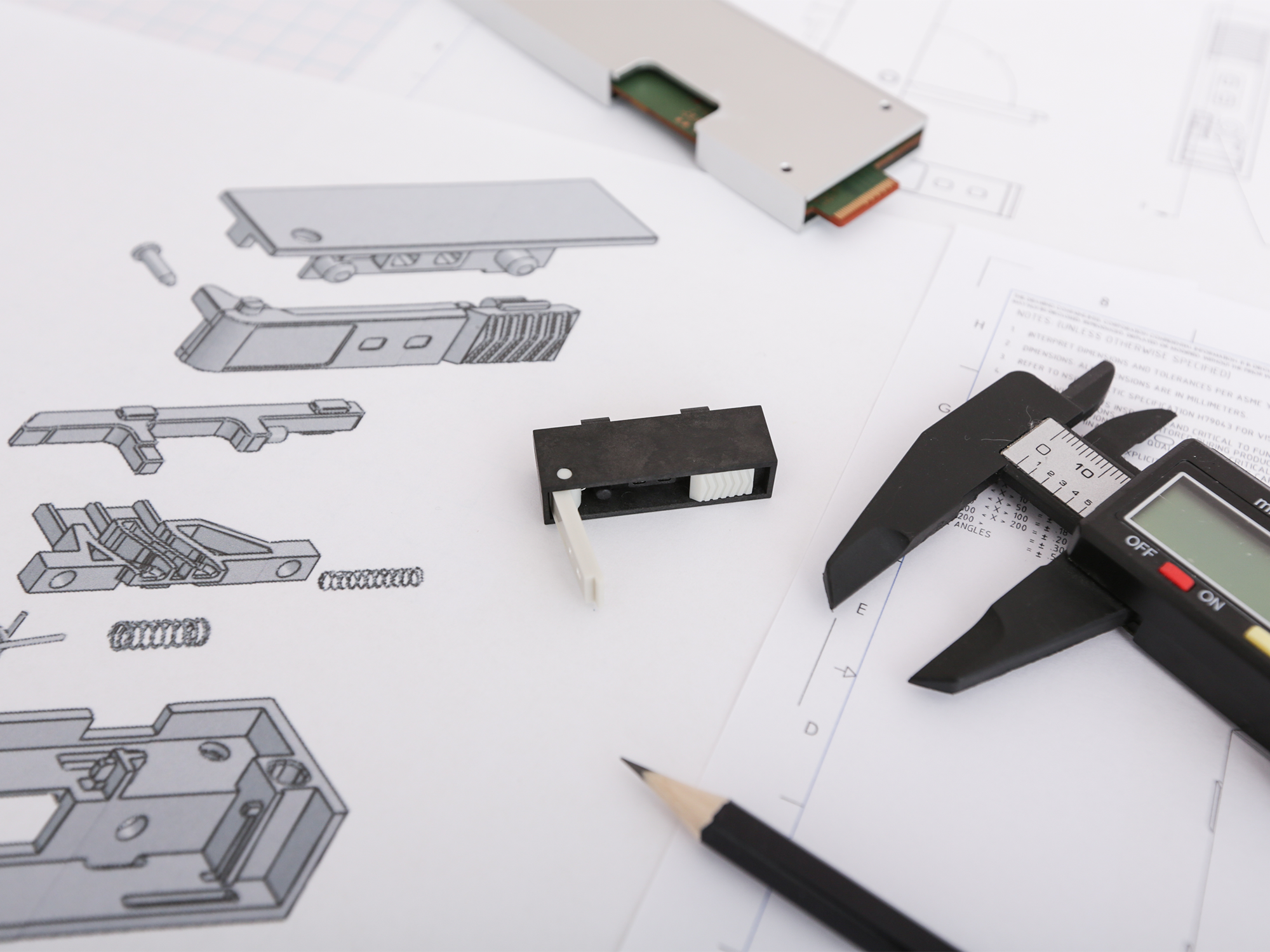
Design for Manufacture connects engineering ambition with production practicality. Reviewing designs through a manufacturing lens allows materials, tolerances, and tooling to be optimised for efficiency and consistency.
DFM means fewer revisions, higher yields, and stronger cost control. Products are easier to build, assembly times are reduced, and quality remains consistent across every production run, bringing key advantage when reliability and schedule are critical to programme success.
Supply Chain & Production Management
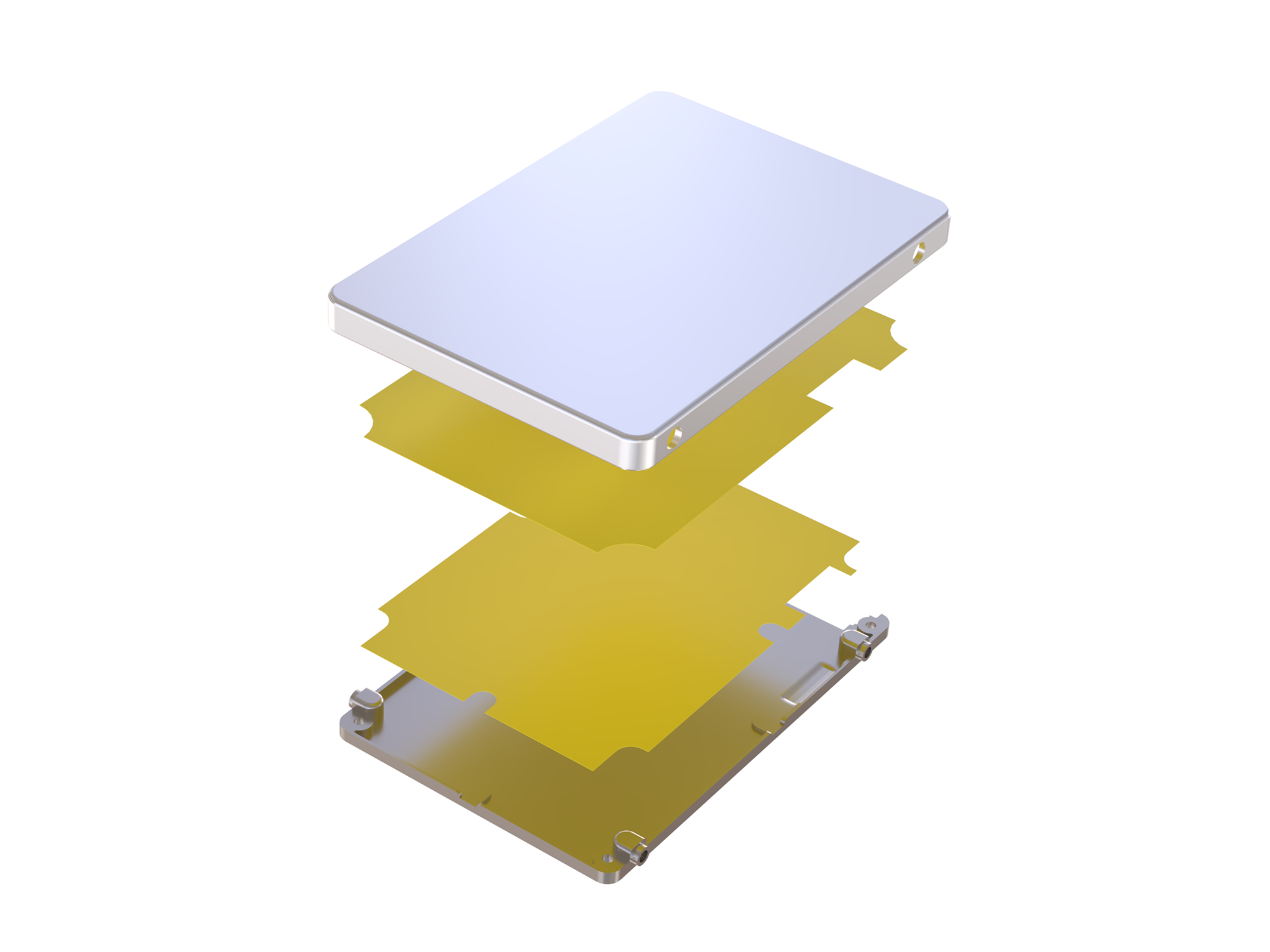
OEM production relies on stability, accountability, reliability and traceability across every stage. DTI maintains central oversight of all manufacturing activity through a unified framework of quality, engineering standards, and reporting controls.
Design, materials, and scheduling are connected through the same system, ensuring predictable timelines, transparent documentation, and consistent delivery, wherever production takes place.
Scalable Production Solutions
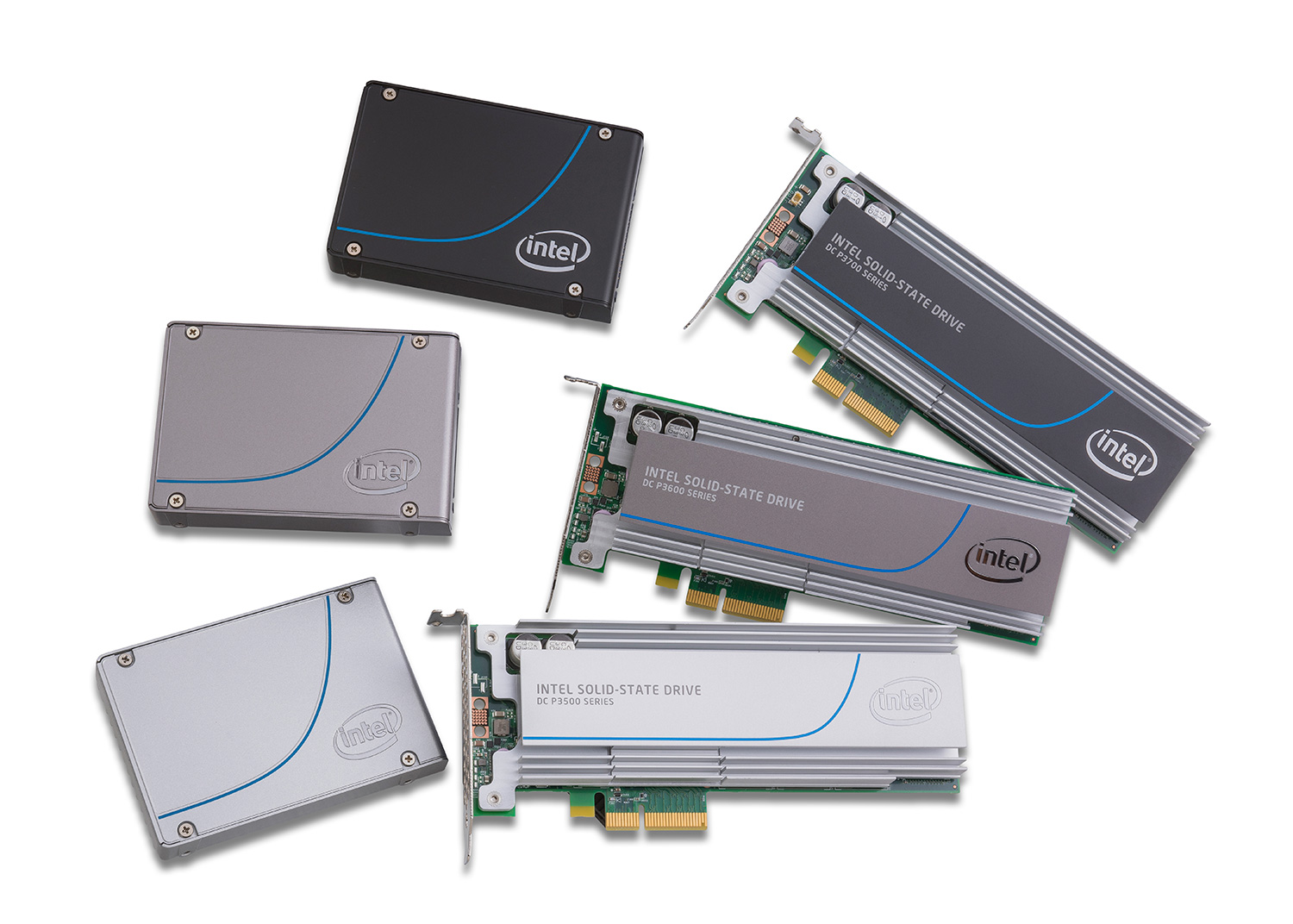
As production volumes evolve, manufacturing capacity adapts to match. Pilot batches, specialist runs, or high-volume automated lines are configured with the same discipline and oversight.
This flexibility allows clients to introduce new products progressively, manage demand fluctuations, and maintain competitive cost structures without requalifying suppliers or compromising quality. It’s a seamless path from first article to full production, built for control and continuity.
Quality Assurance for OEM Parts
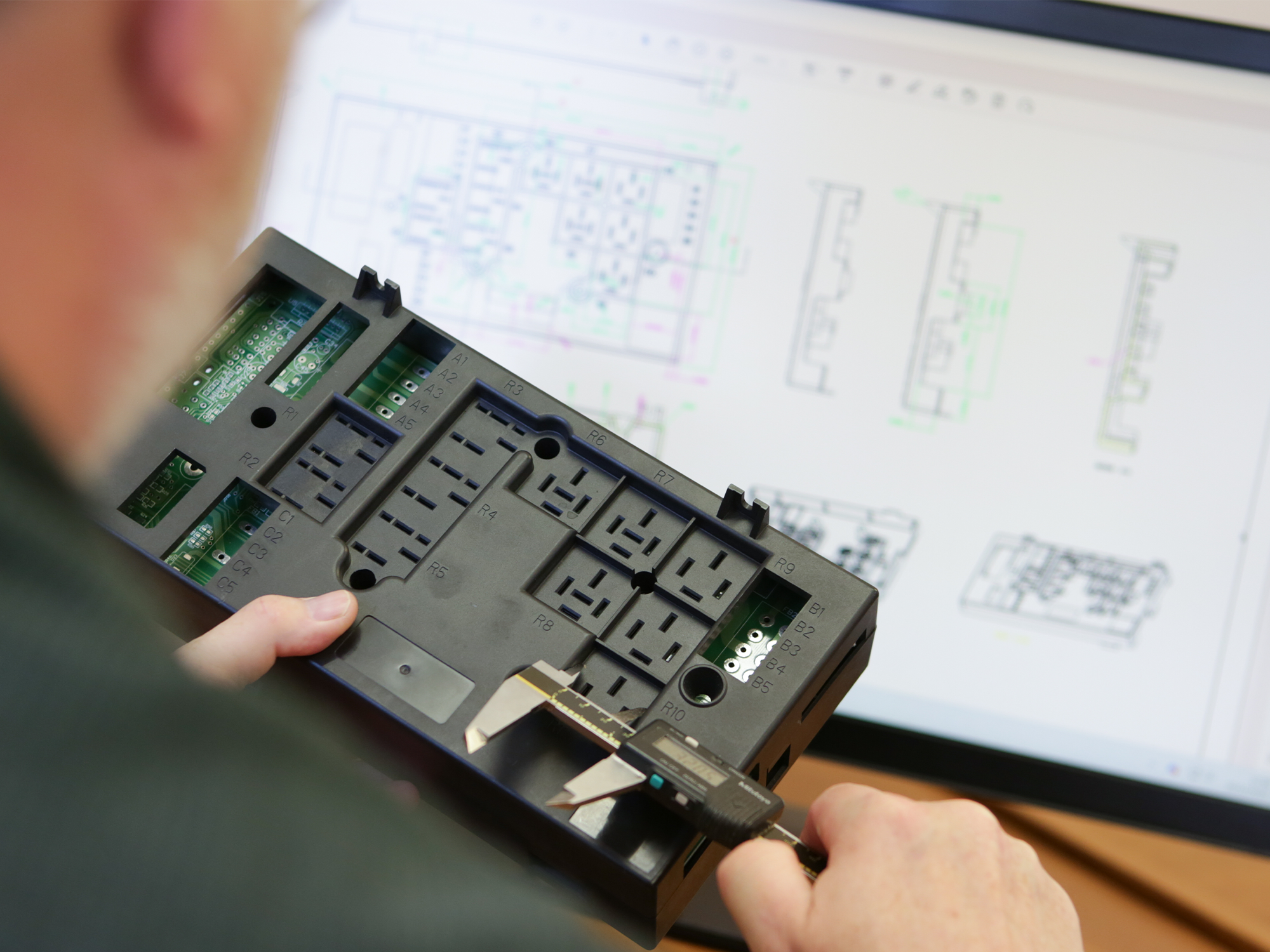
Quality assurance runs through every stage of manufacture. Each component is developed, measured, and verified within a controlled system that maintains consistency from first concept to final production.
Rather than checking quality at the end, it is built into every operation, ensuring accuracy, material integrity, and performance remain constant throughout the life of the product. The result is dependable components that meet specification every time, without deviation or compromise.
Get in touch today to discuss your next project
Whether you have a question, require more information, or want to discuss a potential project, our expert engineering and operations teams are on hand to help you.
We look forward to hearing from you and collaborating on innovative solutions for your business.
"*" indicates required fields