
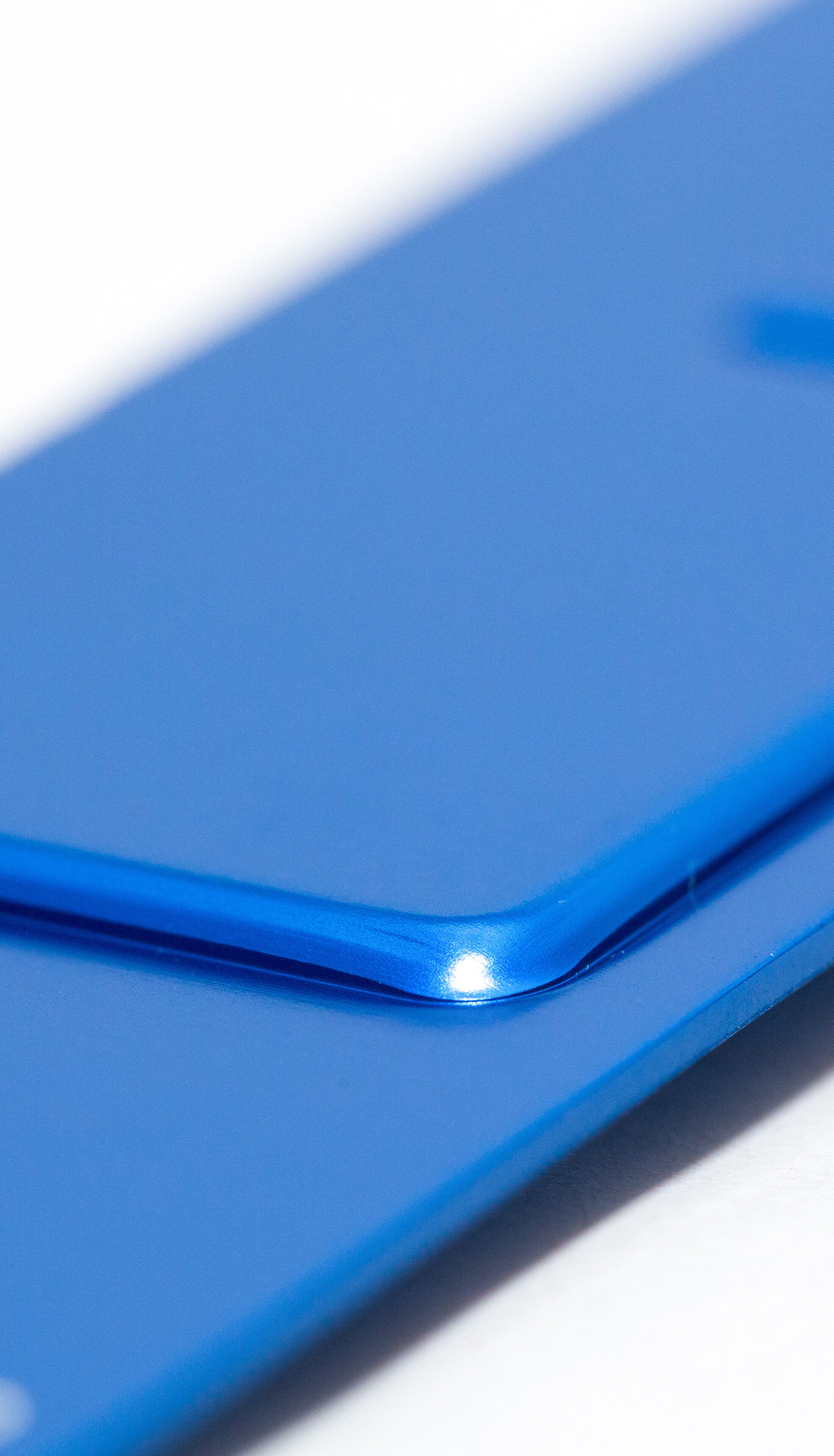

Surface finishing transforms engineered components into complete, performance-ready products. The right finish not only improves appearance but protects, strengthens, and extends service life. From corrosion resistance and conductivity to wear protection and texture control, every treatment is selected to meet the specific demands of its application.
Experience in precision finishing and material behaviour ensures each process achieves its purpose. Whether enhancing electrical performance, improving heat dissipation, or achieving a uniform aesthetic across complex assemblies. These techniques are used throughout industries such as electronics, medical devices, automotive systems, and aerospace engineering, where function and appearance must work hand in hand.
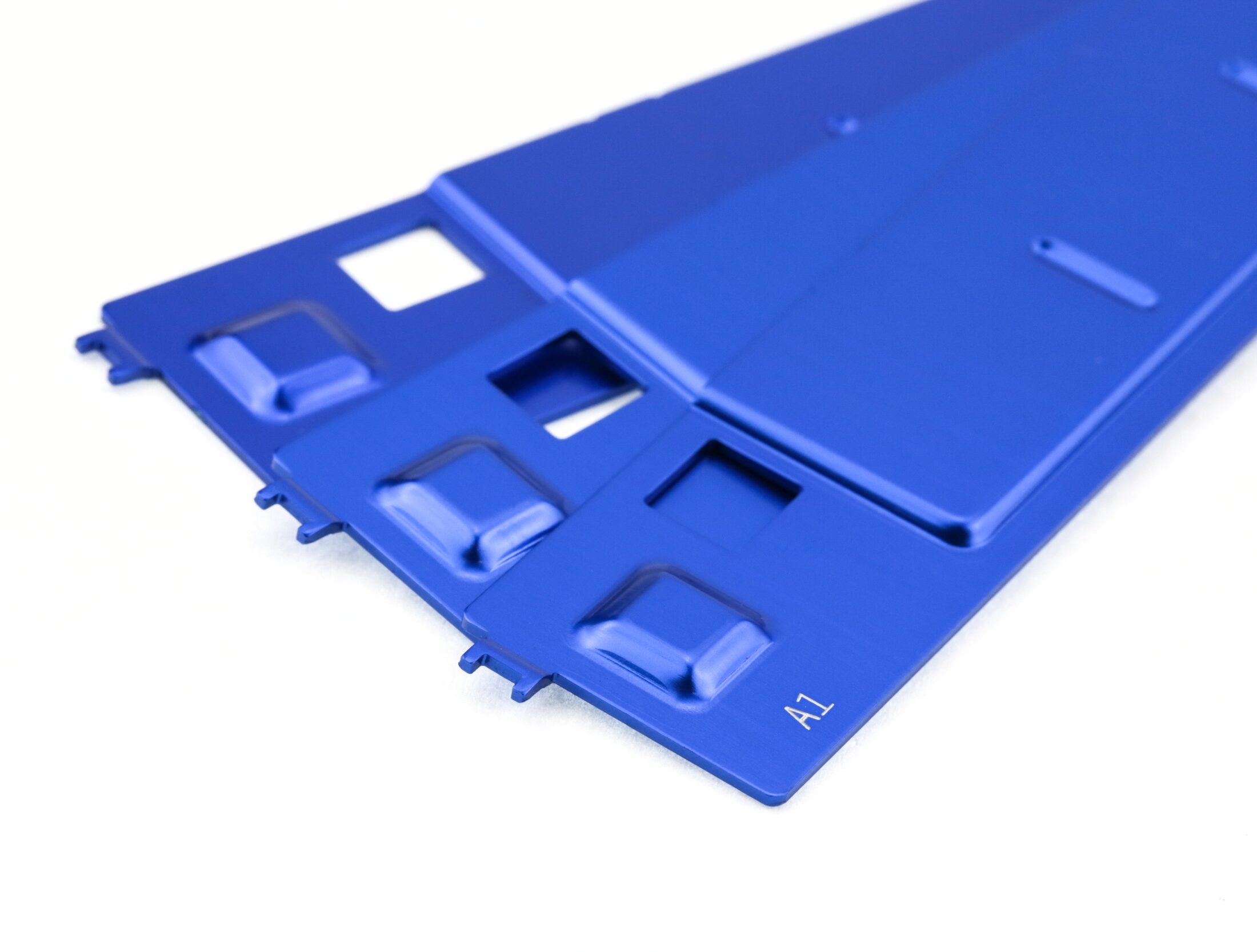
Anodising
Anodising strengthens aluminium components with a protective oxide layer that resists corrosion and surface wear while maintaining tight dimensional tolerances. The process can produce clear or coloured finishes, offering both durability and controlled appearance.
Commonly used for electronic housings, aerospace fittings, and precision enclosures, anodised parts deliver long-term protection while maintaining a professional, consistent finish suitable for visible assemblies.
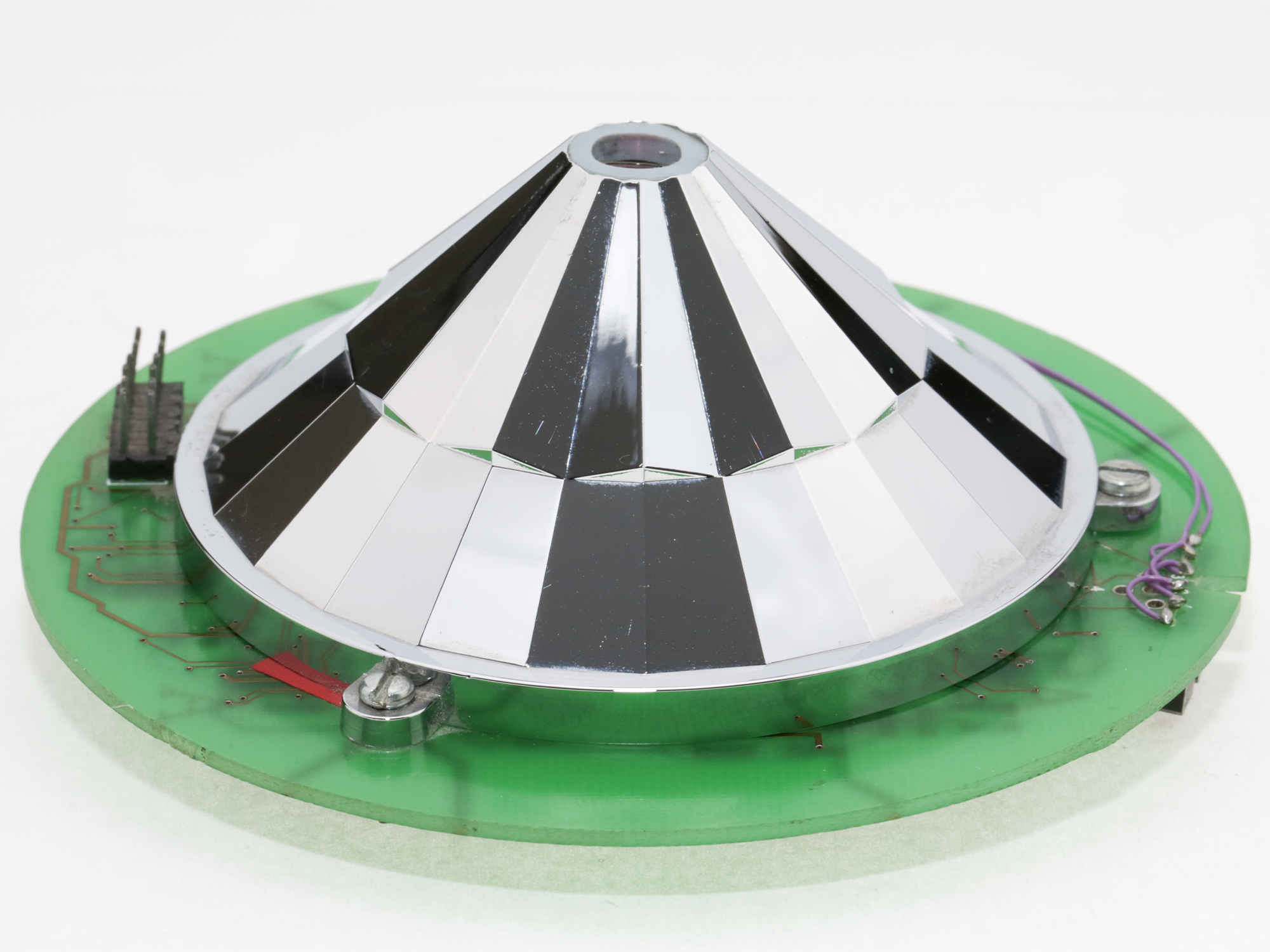
Plating for Metals and Plastics
Plating improves conductivity, corrosion resistance, and surface quality across both metallic and polymer components. Finishes such as nickel, tin, chrome, and gold are applied according to performance and environmental requirements.
Precision control ensures uniform coverage and strong adhesion, even on intricate or multi-material parts. Plating is frequently used in connectors, contact housings, and medical equipment where reliability and clean appearance are essential.
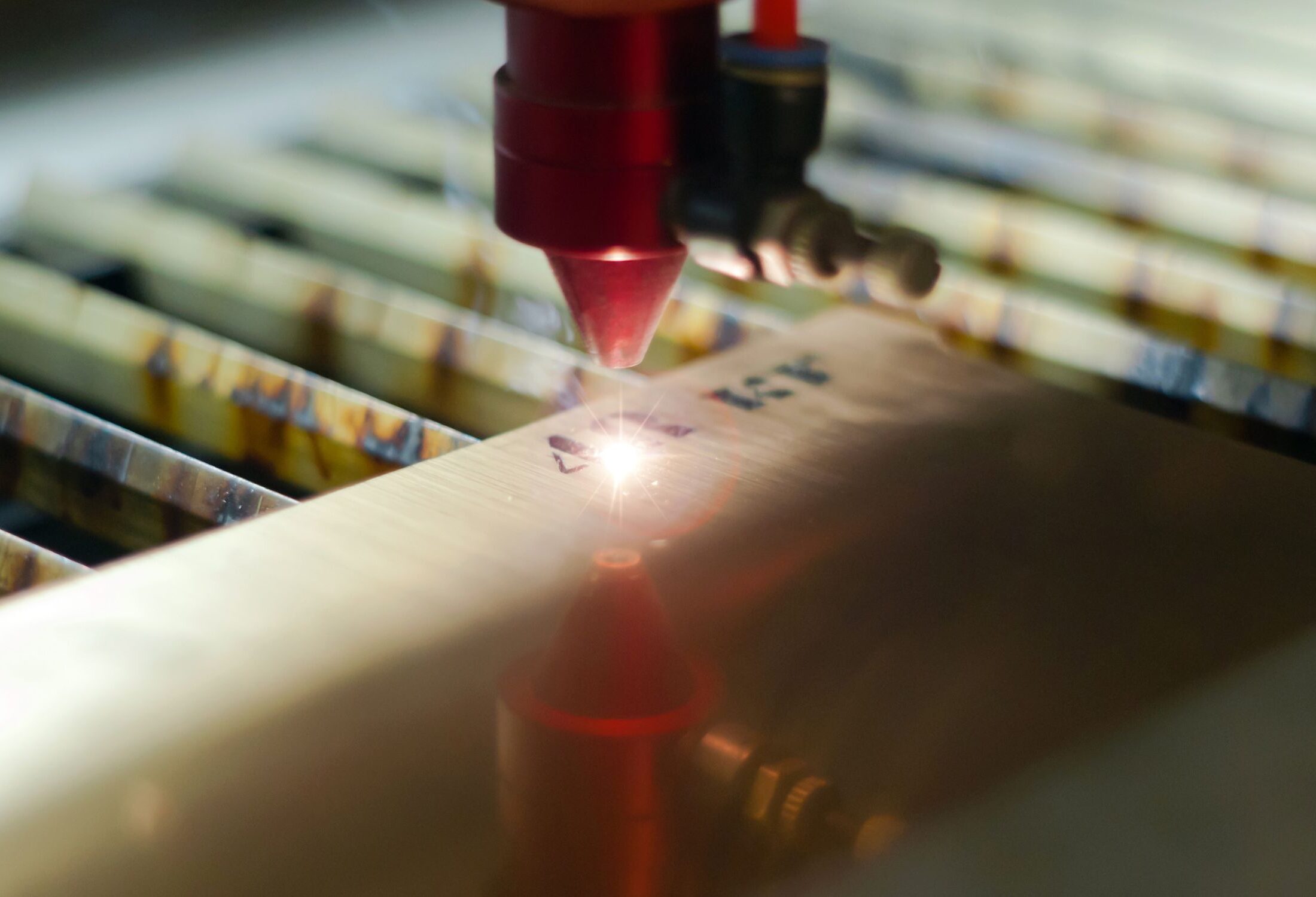
Laser etching
Laser etching provides a permanent, fine-detail marking or surface texture on metals and plastics. It’s used for serial numbers, product identifiers, and decorative patterns that require clarity without affecting structural integrity.
Controlled parameters ensure sharp definition and consistent repeatability, making it ideal for aerospace and electronic components where durability and traceability are critical.
Painting
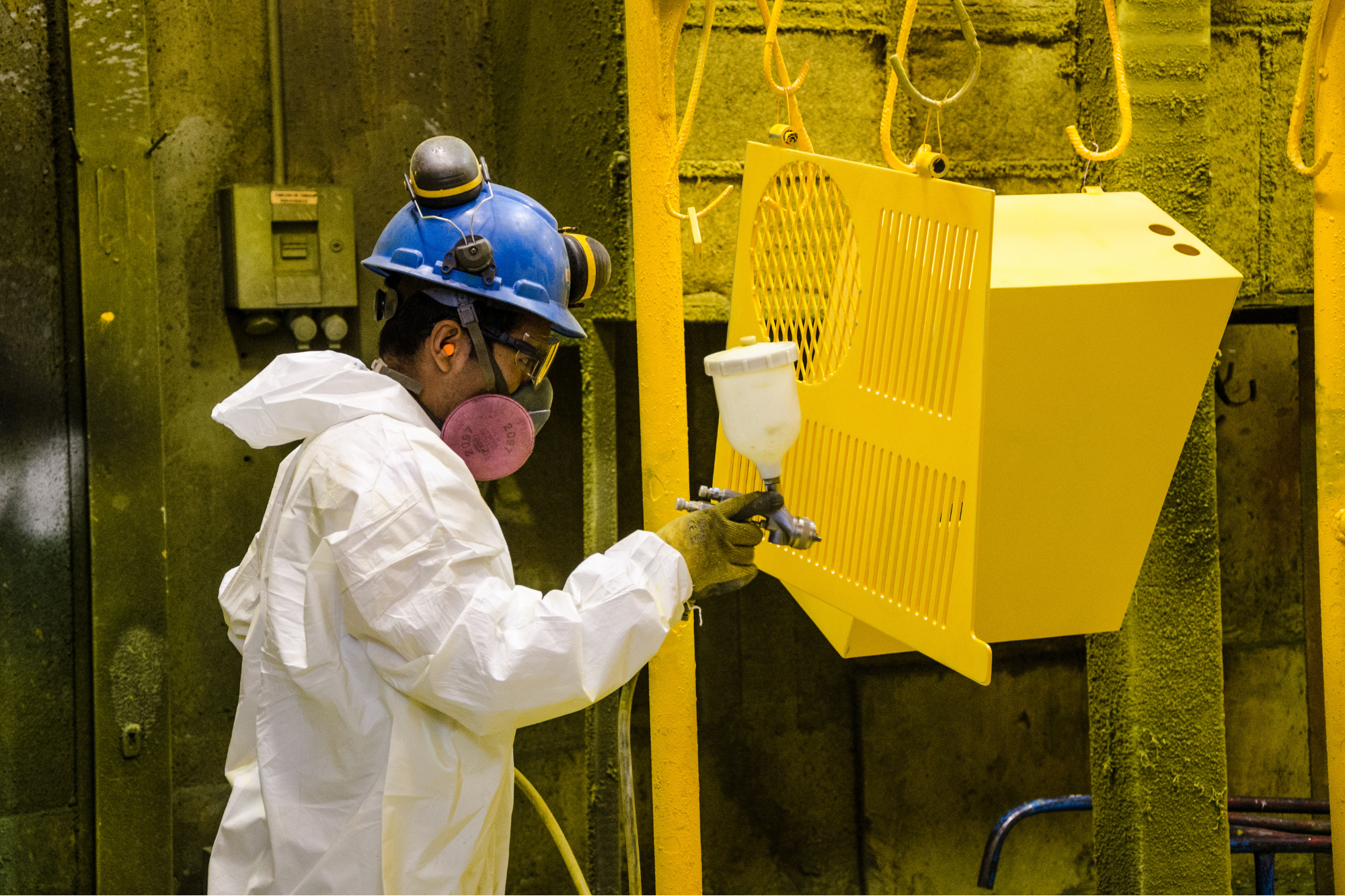
Painting enhances both protection and visual presentation. Careful preparation, application, and curing produce consistent coverage and adhesion. High-performance specialist coatings can be formulated for UV stability, chemical resistance, or precise colour matching.
Used in medical casings, instrument panels, and automotive interiors, painted finishes deliver an exact balance between visual refinement and functional protection.
Machining, Polishing and Texturing
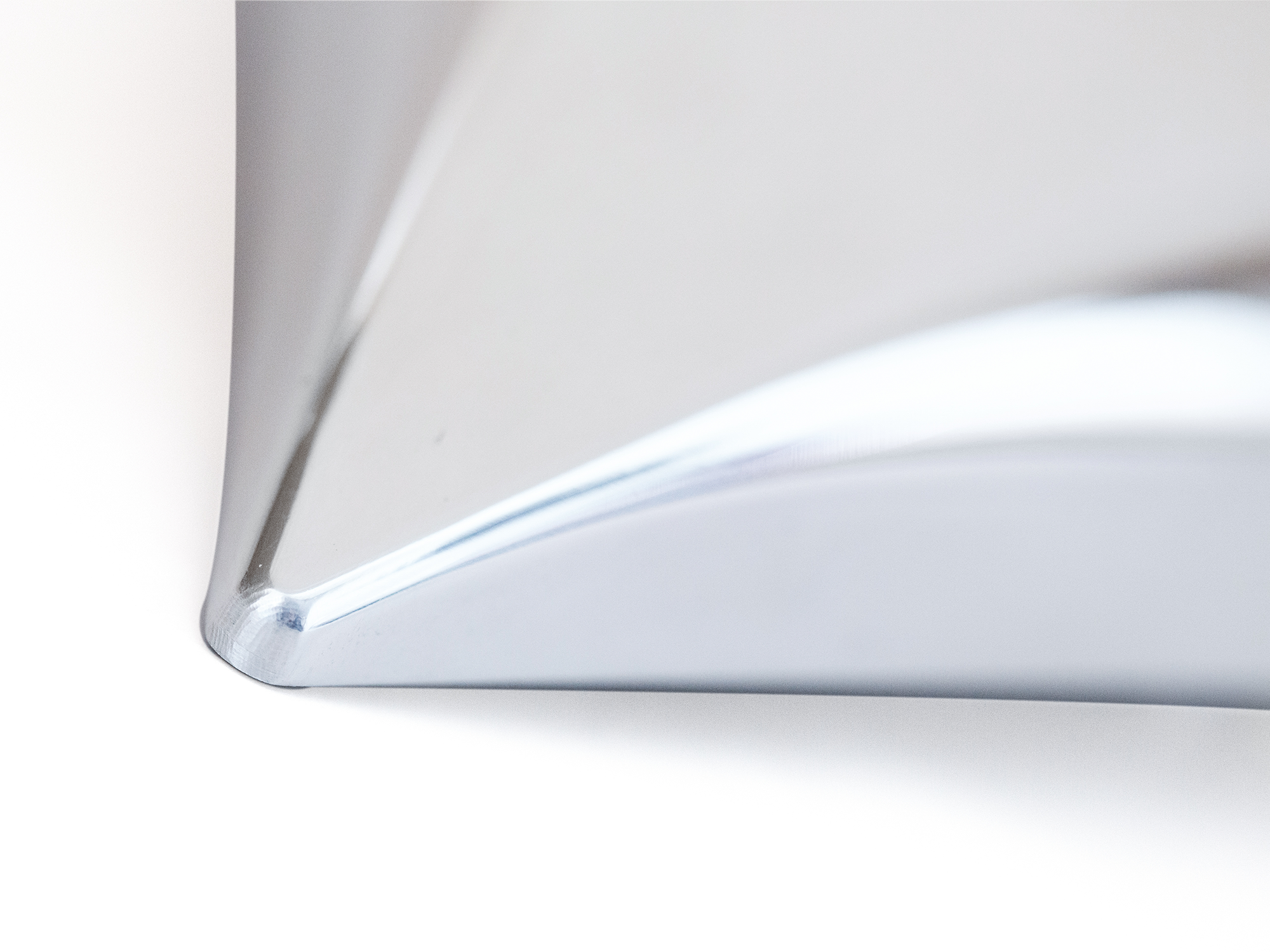
Post-production finishing ensures every surface meets the required standard of smoothness, reflection, or grip. Machining, polishing, and texturing enhance both the look and tactile quality of a component while improving fit and assembly.
Processes are carried out with precision equipment to achieve exact tolerances, ensuring that even the most complex surfaces are finished to perfection.
These methods are essential for components that require both performance and aesthetic excellence, such as precision optical parts, hand-held medical tools, or decorative fittings.
PVD (Physical Vapour Deposition)
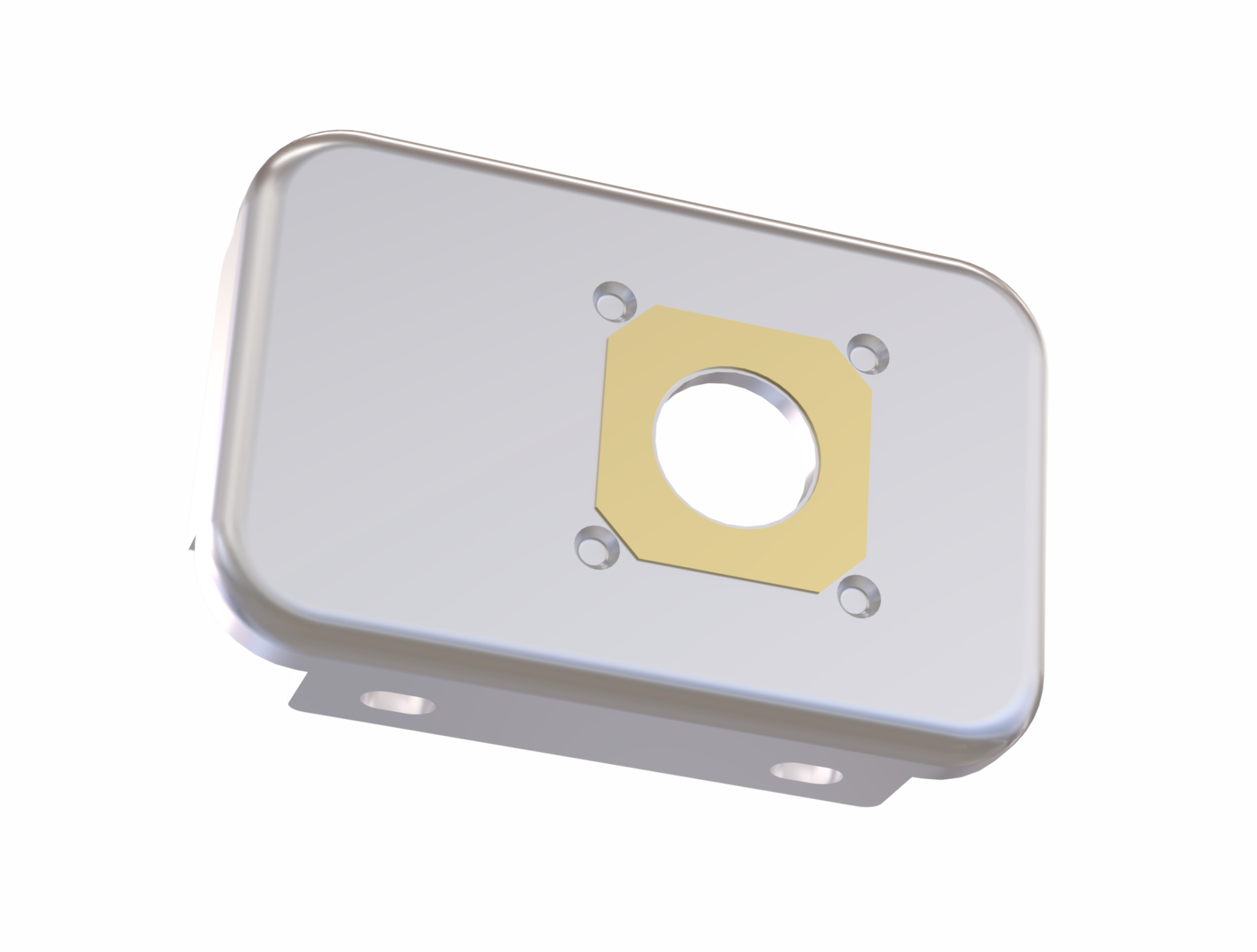
PVD creates a thin, dense coating that improves hardness, wear resistance, and colour definition onto metal and plastic components. It’s used in applications where appearance and performance share equal importance including instrumentation, optical systems, and premium decorative assemblies.
The process enhances surface strength and visual quality while maintaining original tolerances, providing long-lasting protection in even the most demanding conditions.
As an additive process, it is considered environmentally friendly.

Powder Coating
Powder coating provides a durable, uniform finish with high resistance to abrasion, impact, and environmental wear. It combines protection and visual appeal, available in a wide range of colours and textures to suit technical and aesthetic goals, and is widely applied in enclosures, brackets, and industrial frameworks where durability and presentation must align.
The process offers environmental advantages through low emissions, minimal waste, and high material efficiency.

Printing on Metals and Plastics
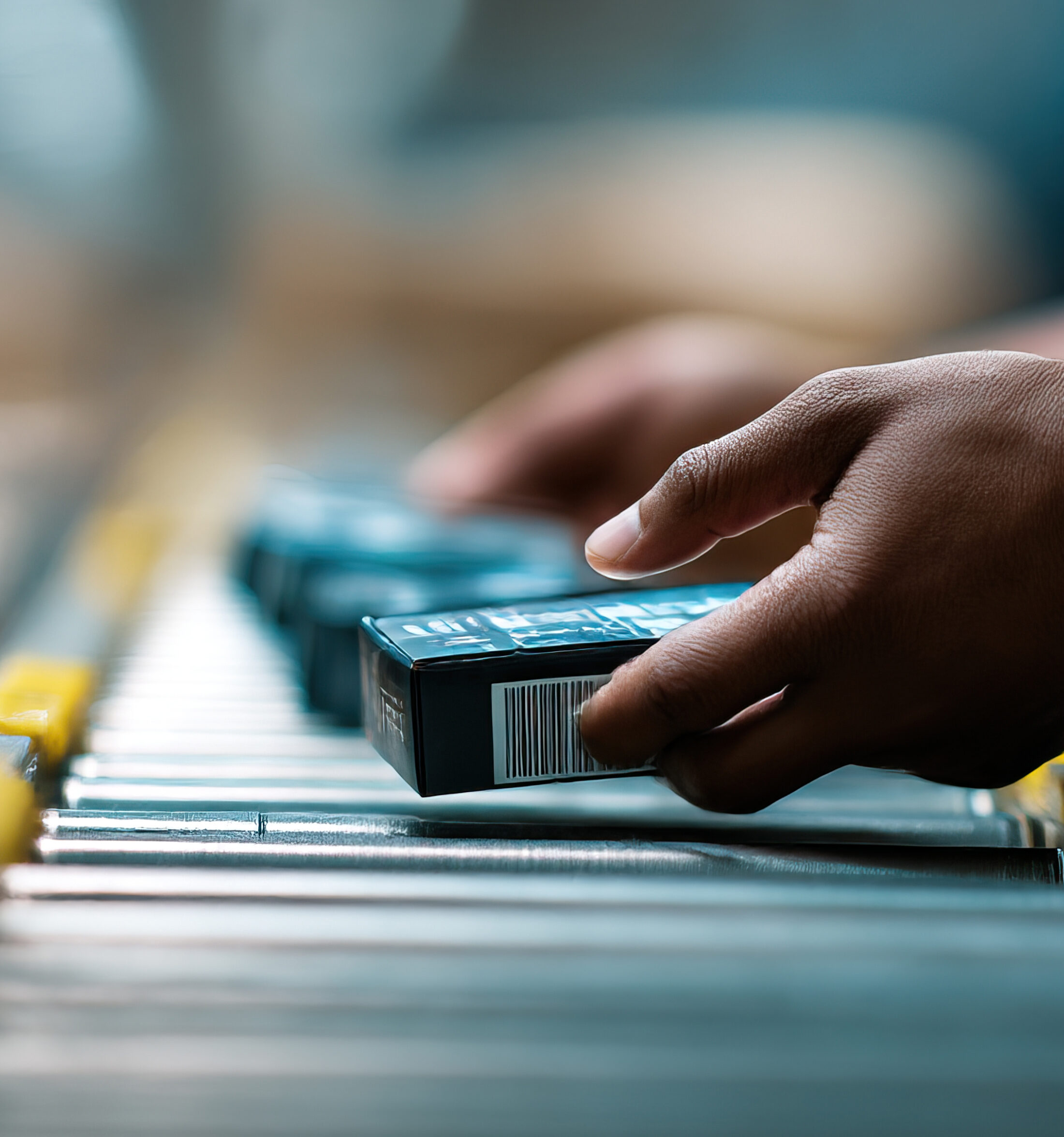
Printing applies identification, branding, or functional markings directly onto finished components. Techniques such as pad, screen, and digital printing are selected to suit material type and precision requirements.
Get in touch today to discuss your next project
Whether you have a question, require more information, or want to discuss a potential project, our expert engineering and operations teams are on hand to help you.
We look forward to hearing from you and collaborating on innovative solutions for your business.
"*" indicates required fields