


Plastic mouldings play a critical role across manufacturing industries including electronics, automotive, medical, and industrial systems. They form the housings, connectors, seals, and protective components that define function, form and finish. Each part must deliver accuracy, consistency, and long-term stability.
Advanced moulding technologies, material expertise, and disciplined process control ensure every component performs exactly as designed. From engineering polymers and flame-retardant compounds, to antimicrobial and UV-stable materials, each choice of resin and tooling method is guided by performance, compliance, and environmental demands, producing components that meet mechanical, environmental, and hygiene criteria with confidence.
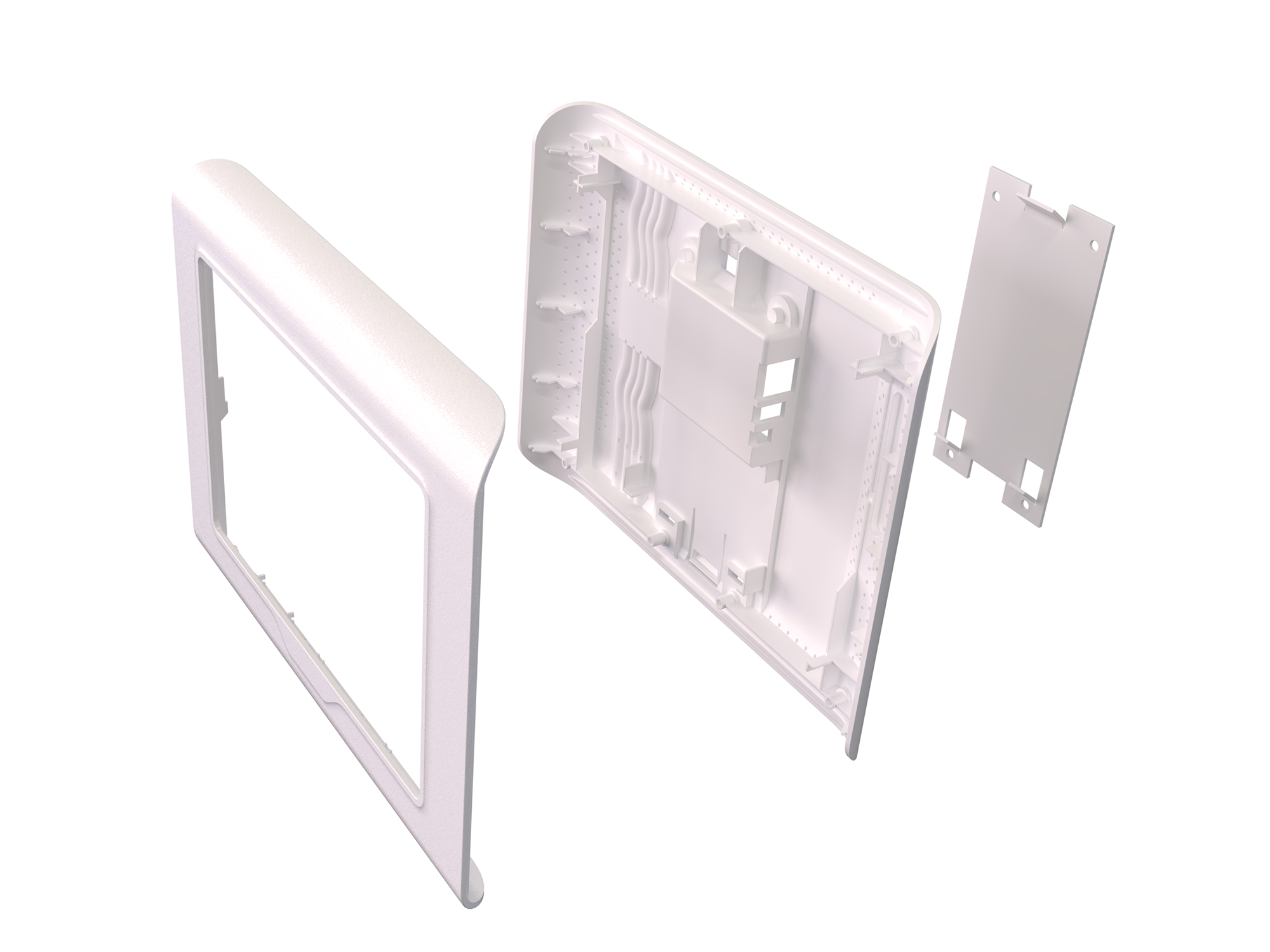
Injection Moulding
Injection moulding delivers complex components with exceptional precision and repeatability. Controlled temperatures, pressures, and fill rates maintain dimensional accuracy and surface quality across every production cycle.
The process supports a wide spectrum of materials, from lightweight polymers used in automotive assemblies, to medical-grade plastics where traceability and compliance are critical. Clients benefit from efficient production, consistent part quality, and the assurance that every detail aligns with specification and application needs.
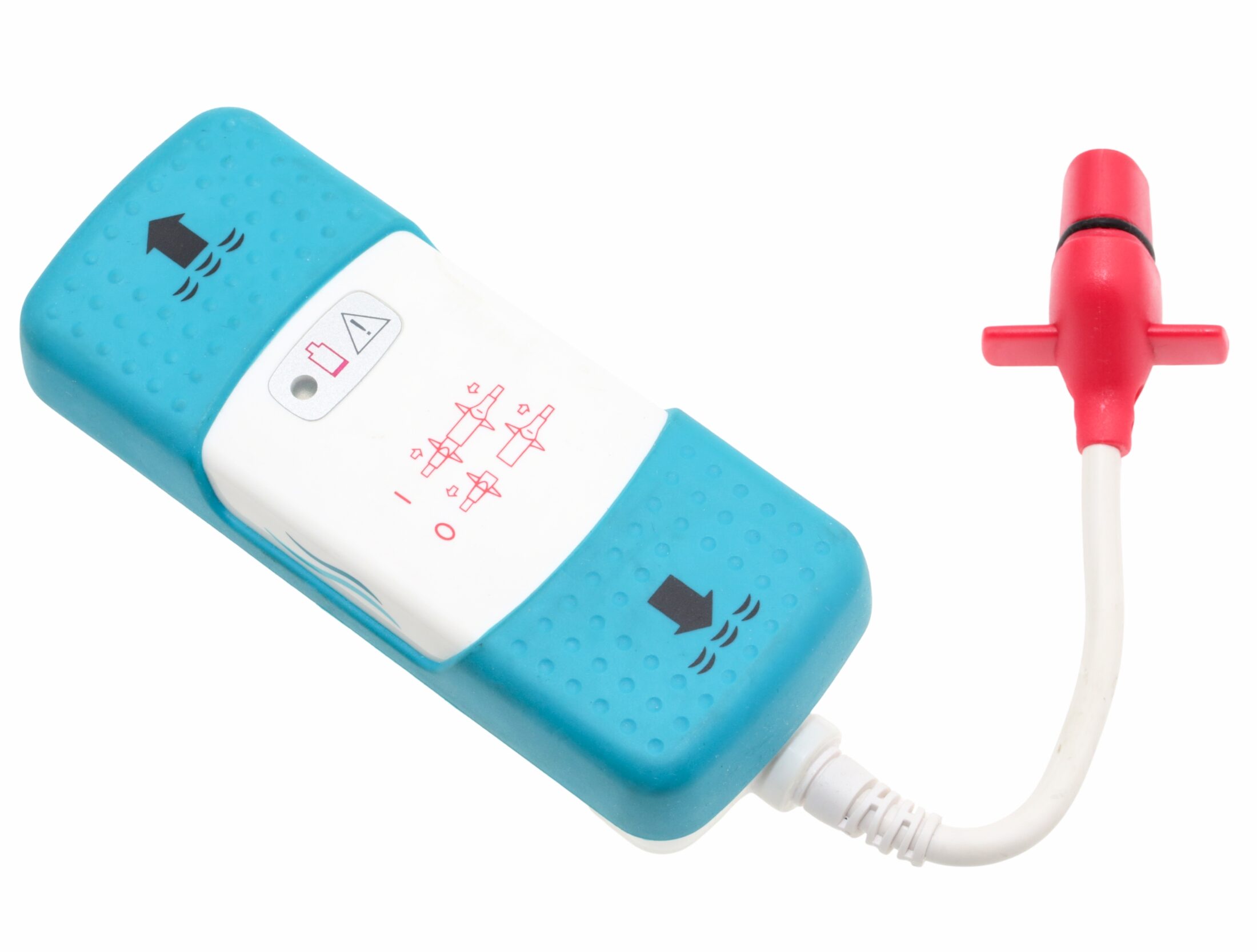
2K – Two Shot Moulding
Two shot moulding allows multiple materials or colours to be combined in one controlled operation. It creates integrated grips, seals, and visual contrasts directly within the moulded part, eliminating secondary bonding or assembly.
Used in handheld instruments, diagnostic equipment, and consumer products, this technique gives designers greater freedom while ensuring ergonomic comfort and long-term performance.
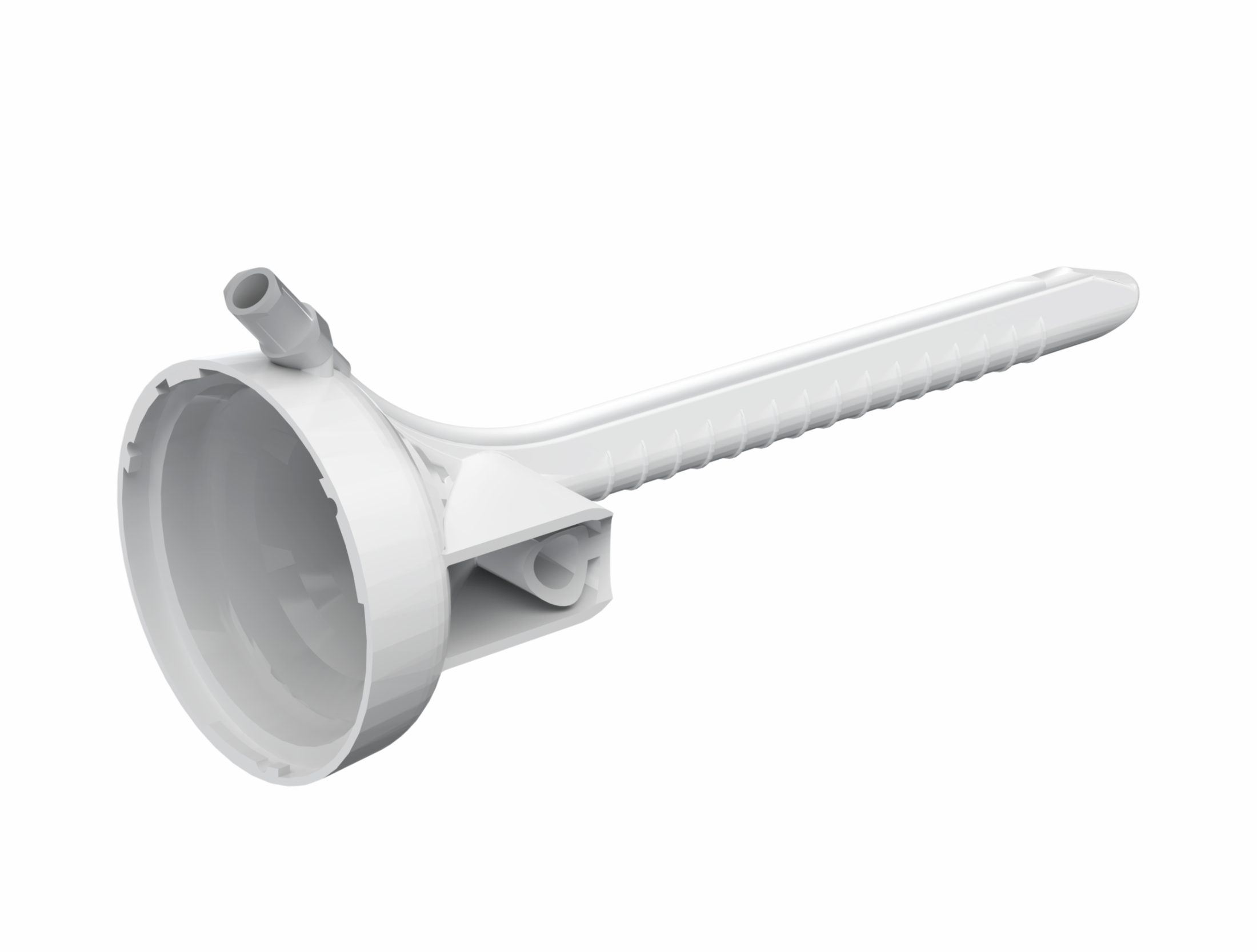
Clean Room Injection Moulding
Clean-room moulding provides contamination-free production for sectors where sterility and traceability are paramount. It supports the manufacture of medical devices, diagnostic equipment, and laboratory components that must maintain absolute material integrity.
Production takes place in controlled environments that meet strict hygiene and particulate standards, ensuring consistent, certified quality for every part.
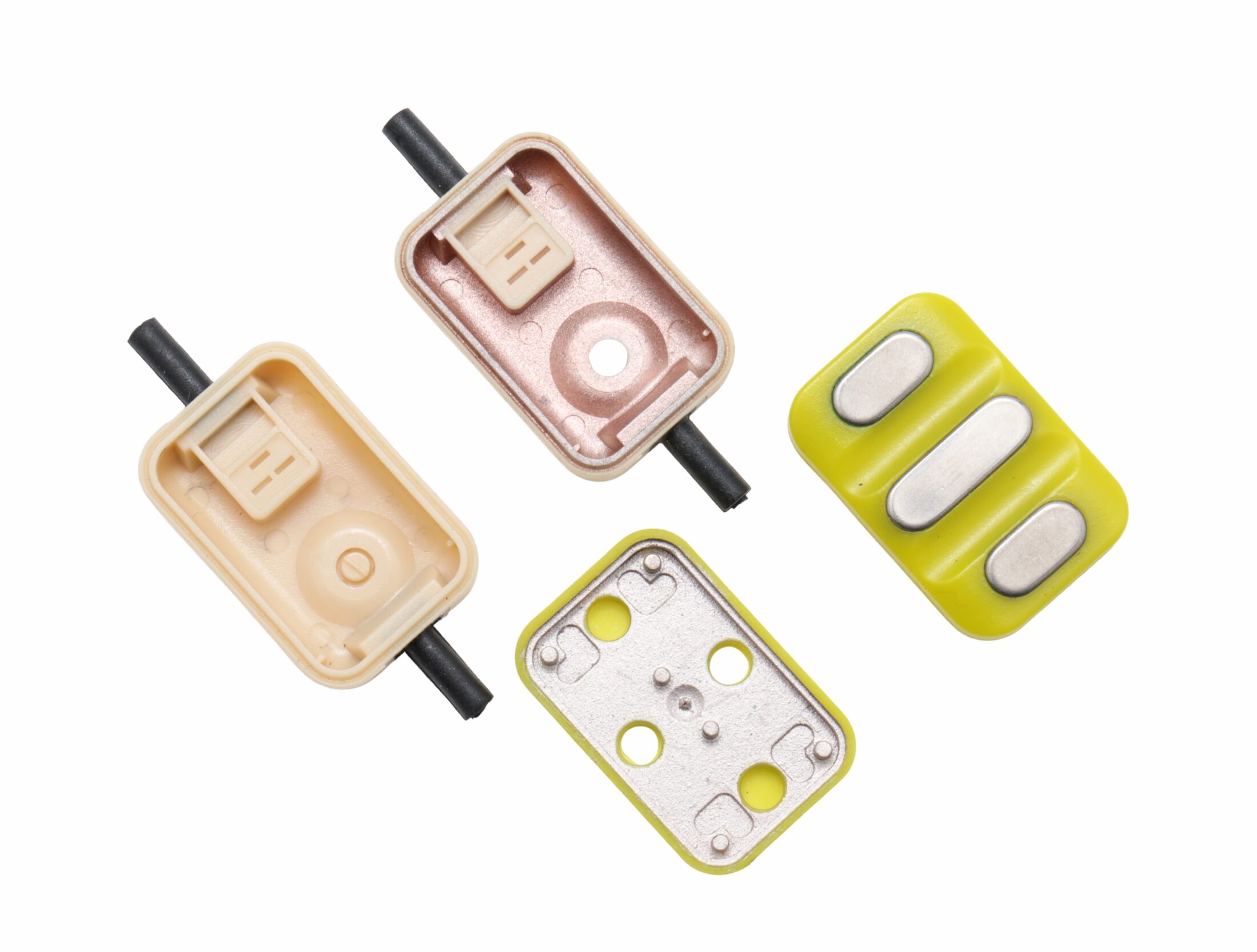
Overmoulding – Standard and Custom Inserts
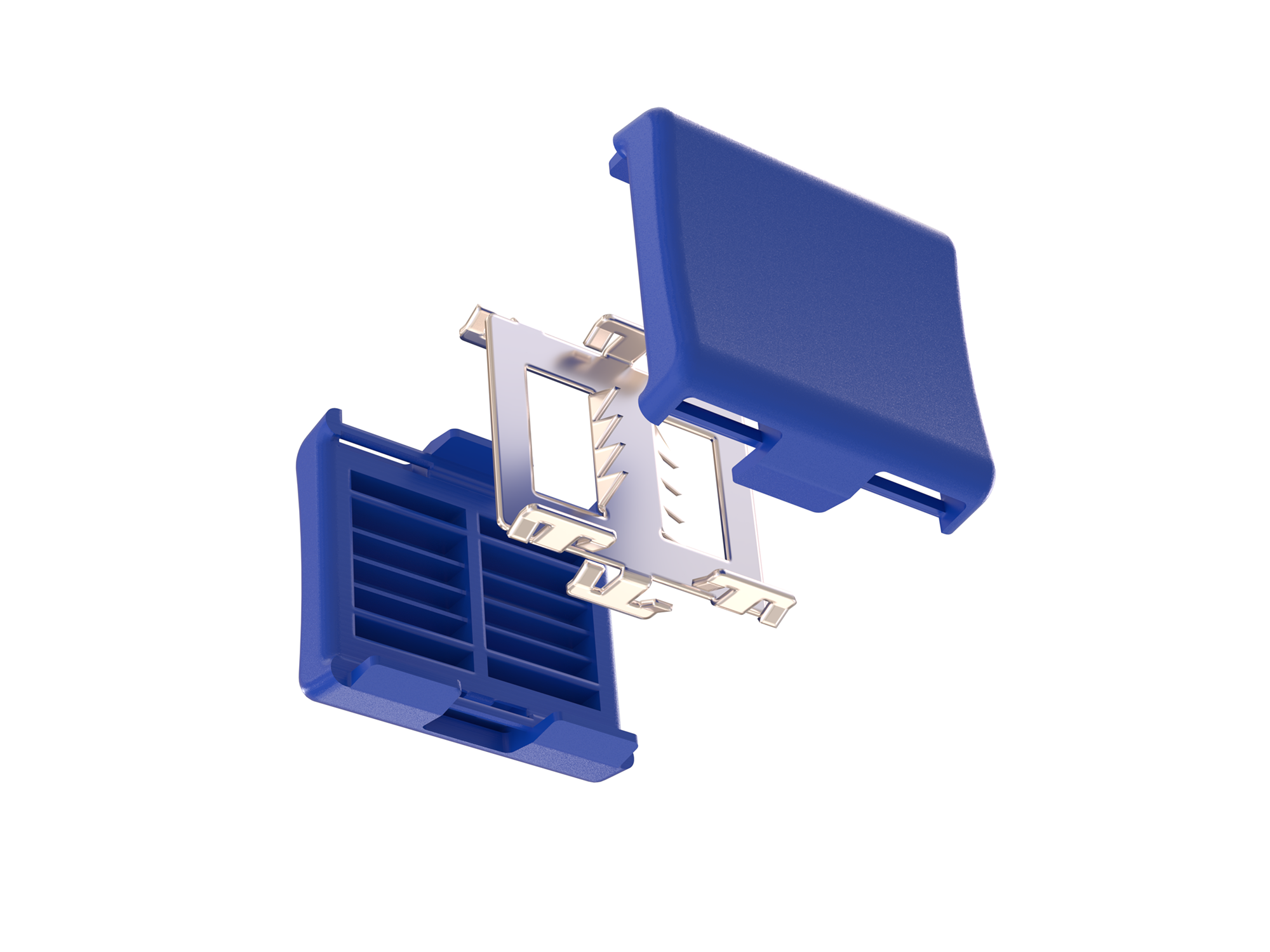
Overmoulding integrates additional materials or inserts within a single moulding process, enhancing strength and function while reducing assembly stages. Metal, plastic, or electronic inserts are encapsulated directly within the mould to create durable, integrated components.
It’s ideal for connectors, switches, and housings used in automotive, defence, and computing sectors where performance, compact design, and longevity are key. It provides stronger bonds, cleaner assemblies, and consistent mechanical integrity even under repeated use.
Low Volume Injection Moulding
Low volume moulding offers flexibility for pilot runs, niche production, or pre-series testing. It allows engineers to validate performance and manufacturability before full investment.
Processes are optimised for adaptability while maintaining production-level precision, helping teams test components in real conditions before scaling up. This reduces investment risk and accelerates market entry, providing a cost-effective bridge between prototype and mass manufacture.
Plastic Part Design and Engineering
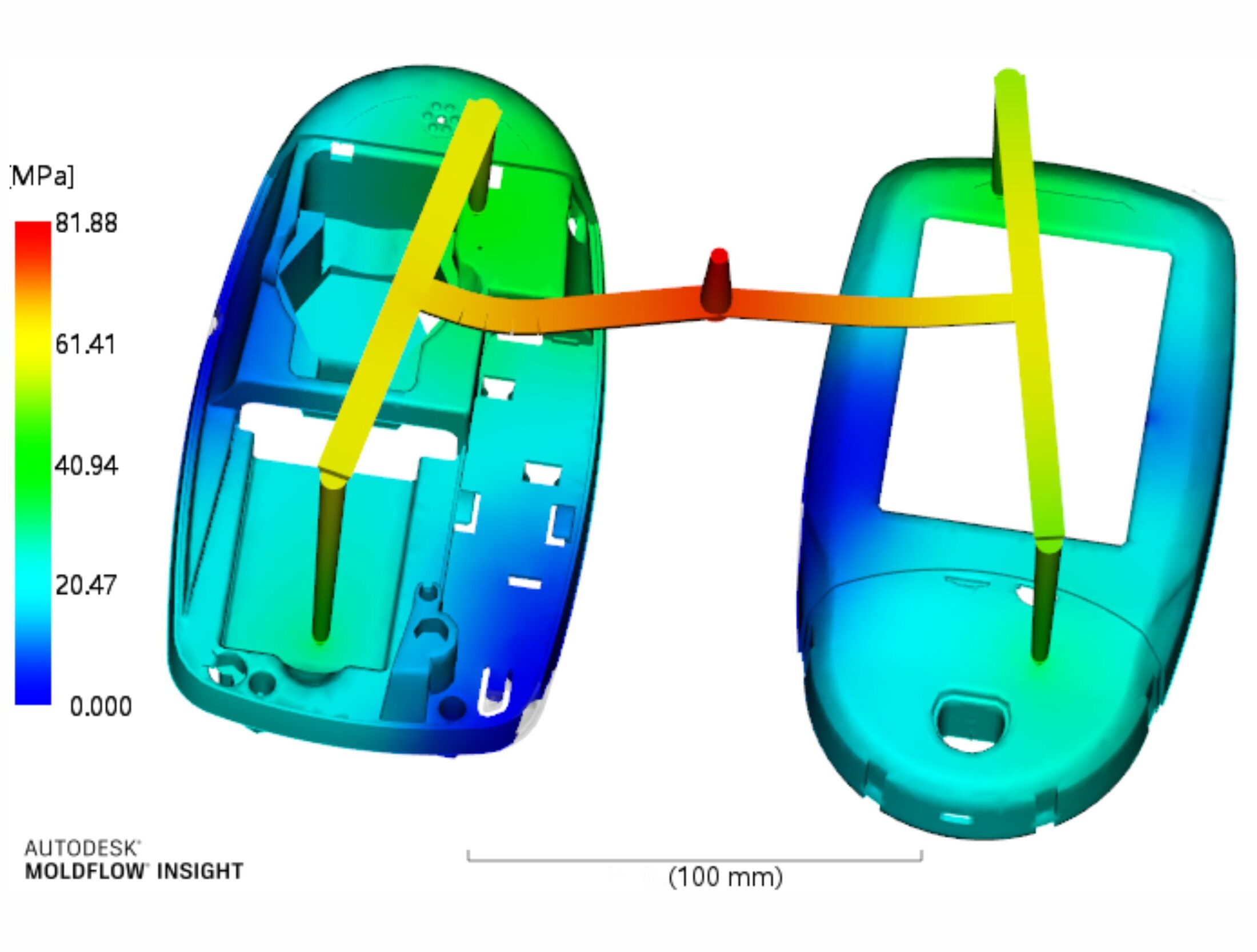
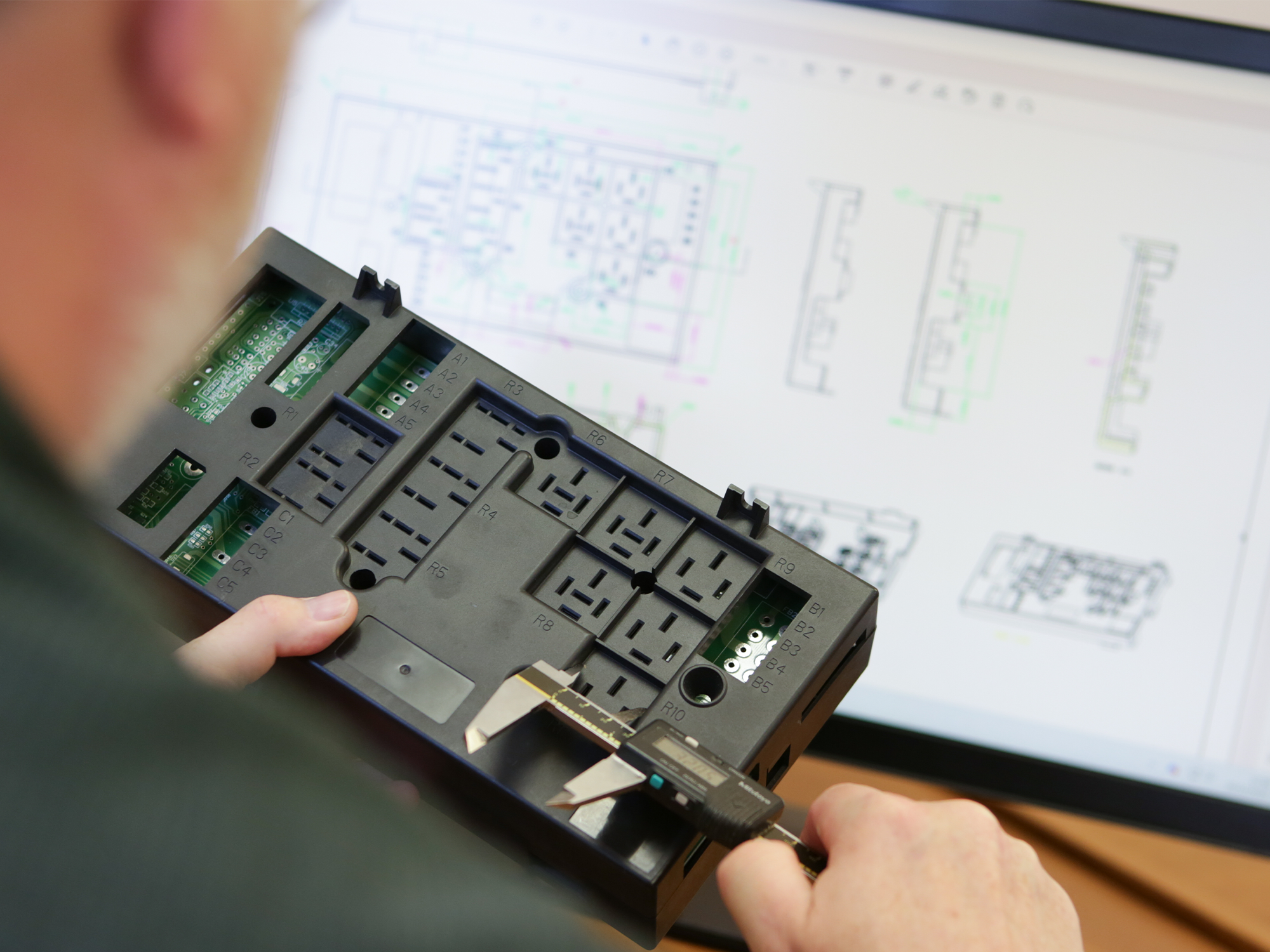
Every successful moulding begins with intelligent design. Each component is engineered for manufacturability, performance, and longevity from the earliest stage of concept. Geometry, wall thickness, and material flow are analysed and refined to prevent defects and ensure repeatable quality.
Proactive early design alignment gives project teams predictable costs, streamlined production, and components that assemble cleanly and perform reliably throughout their lifecycle.
Rapid Plastic Prototyping
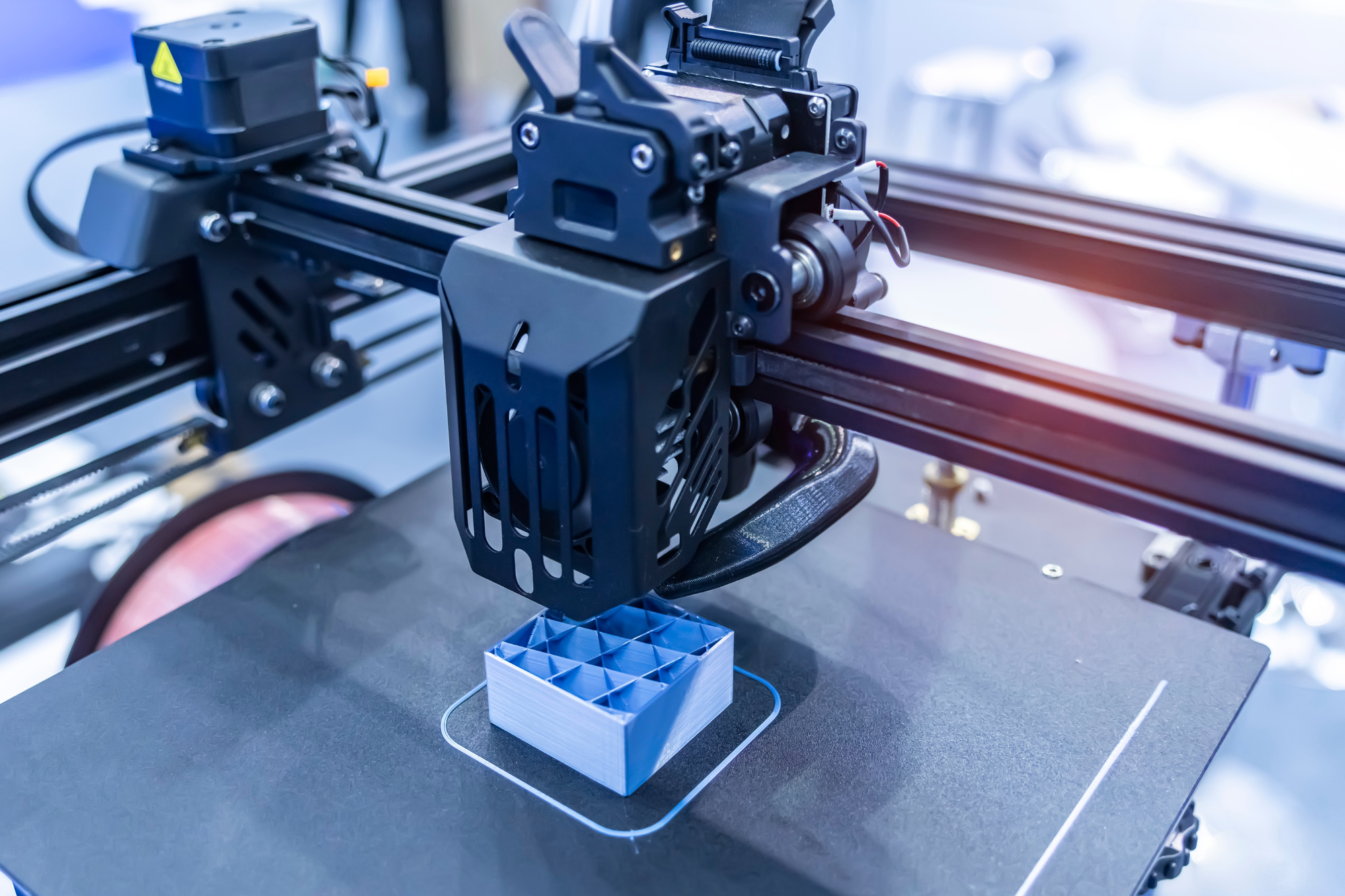
Rapid prototyping accelerates development by producing functional models that replicate final materials and geometry. Techniques such as 3D printing, 5 axis machining, soft tooling, and short-run moulding allow early testing under production-like conditions.
Identifying refinements before tooling reduces cost and lead time. This capability shortens development cycles, validates design intent, and provides the confidence needed to transition seamlessly into tooling and volume manufacture.

Get in touch today to discuss your next project
Whether you have a question, require more information, or want to discuss a potential project, our expert engineering and operations teams are on hand to help you.
We look forward to hearing from you and collaborating on innovative solutions for your business.
"*" indicates required fields