
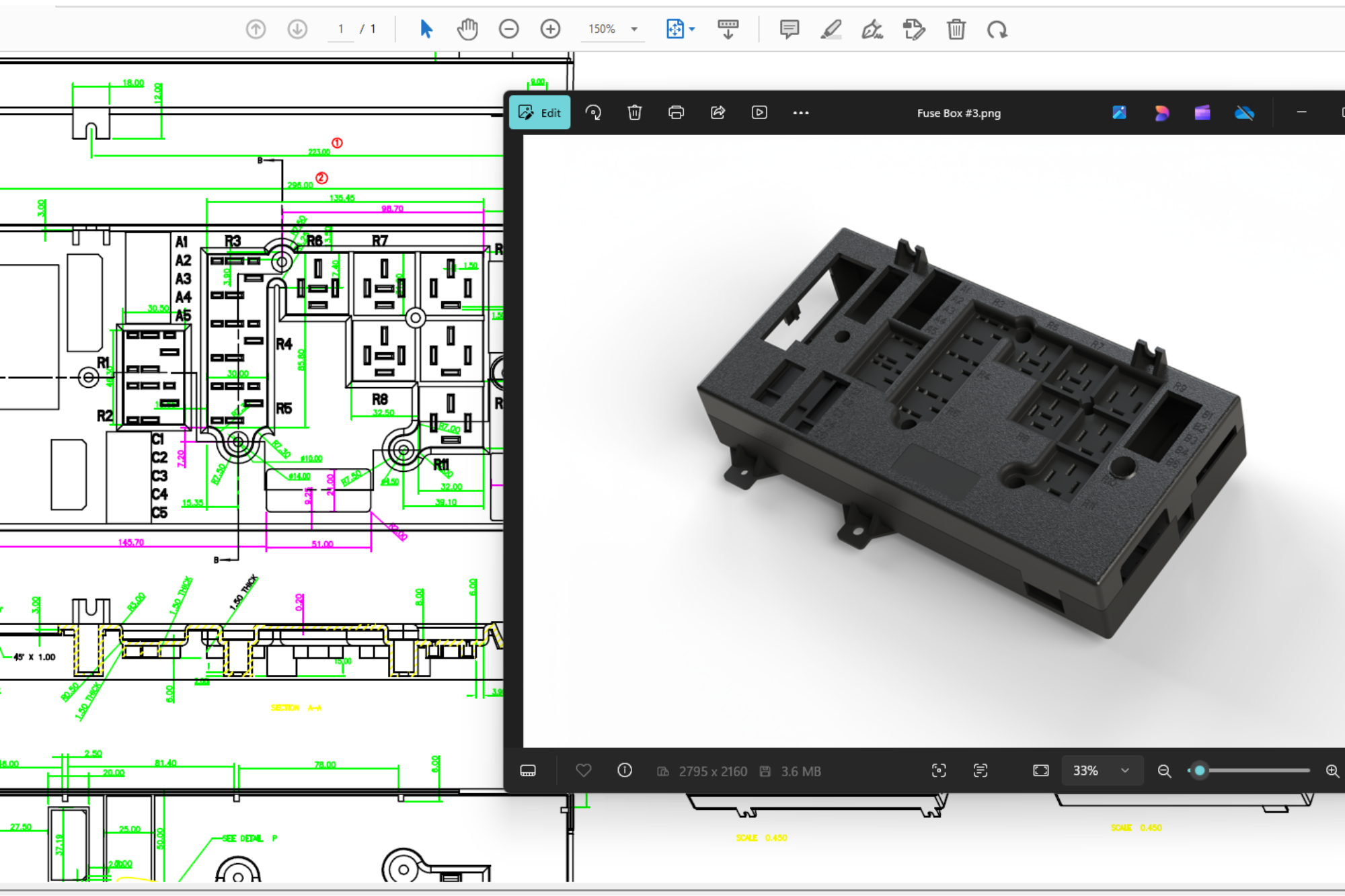
A product can look complete on screen and still be a long way from production-ready.
A component might have the right dimensions, appearance and functionality in CAD, but that doesn’t necessarily mean it can be manufactured reliably, assembled efficiently or produced at the required cost.
For example, a plastic component with zero draft could prove difficult to remove cleanly from its mould, resulting in production delays and even non-compliance.
Discovering these issues early gives engineers the space and time to find the best solution.
That is why manufacturing shouldn’t simply be the final stage of product design and development, but it should help inform the product from the very beginning.
Design for Manufacture Starts Before the Design Is Finished
Design for Manufacture (DFM) is most valuable when it influences development rather than simply being used as a final check.
Take an injection-moulded plastic component.
Considering gate positions and split lines while the geometry can still be adjusted means that issues can be identified before tooling is committed, giving the customer a clearer route to the volumes they need.
The same principle applies across manufacturing processes.
The question shouldn’t simply be whether a design can be made.
It should be whether it can be made reliably, repeatedly and economically at the scale required.
Why Manufacturing Shouldn’t Be the Final Stage of Product Development
Product development is often viewed as a linear process: develop the concept, complete the design, build a prototype and then find someone to manufacture it.
In reality, separating design and manufacturing in this way can create unnecessary problems.
Decisions made during design influence almost every aspect of production, from material selection and tooling to assembly time, quality and production yield.
Bringing manufacturing expertise into the conversation earlier allows those decisions to be considered while the design is still flexible.
The result? Products that are more cost-effective to produce, simpler to assemble and easier to scale. Early manufacturing can also improve reliability, lead to better production yields and make future maintenance or in-field upgrades more straightforward.
Importantly, this isn’t solely about reducing cost.
Early manufacturing input can help engineers develop a better product.
What Happens When Manufacturing Input Comes Too Late?
A product can look perfectly viable in a CAD model but still contain features that create significant problems in production.
Sometimes a component simply cannot be manufactured as designed. In other cases, it can be manufactured, but not at a commercially realistic cost or at the volumes required.
Resolving these problems late can create a cascade effect.
Changing one part of the geometry, for example, to accommodate tooling might affect another component.
In short, the further a project has progressed, the more expensive these changes can become.
A CAD model can often be modified relatively quickly. But altering finished production tooling is likely to require considerably more time and investment.
Early manufacturing input creates an opportunity to optimise. Late manufacturing input can become an exercise in resolving problems that could have been avoided.
Small Design Changes Can Make a Big Difference in Production
Manufacturing improvements don’t always require fundamental product redesign.
Sometimes relatively small engineering decisions can simplify production considerably.
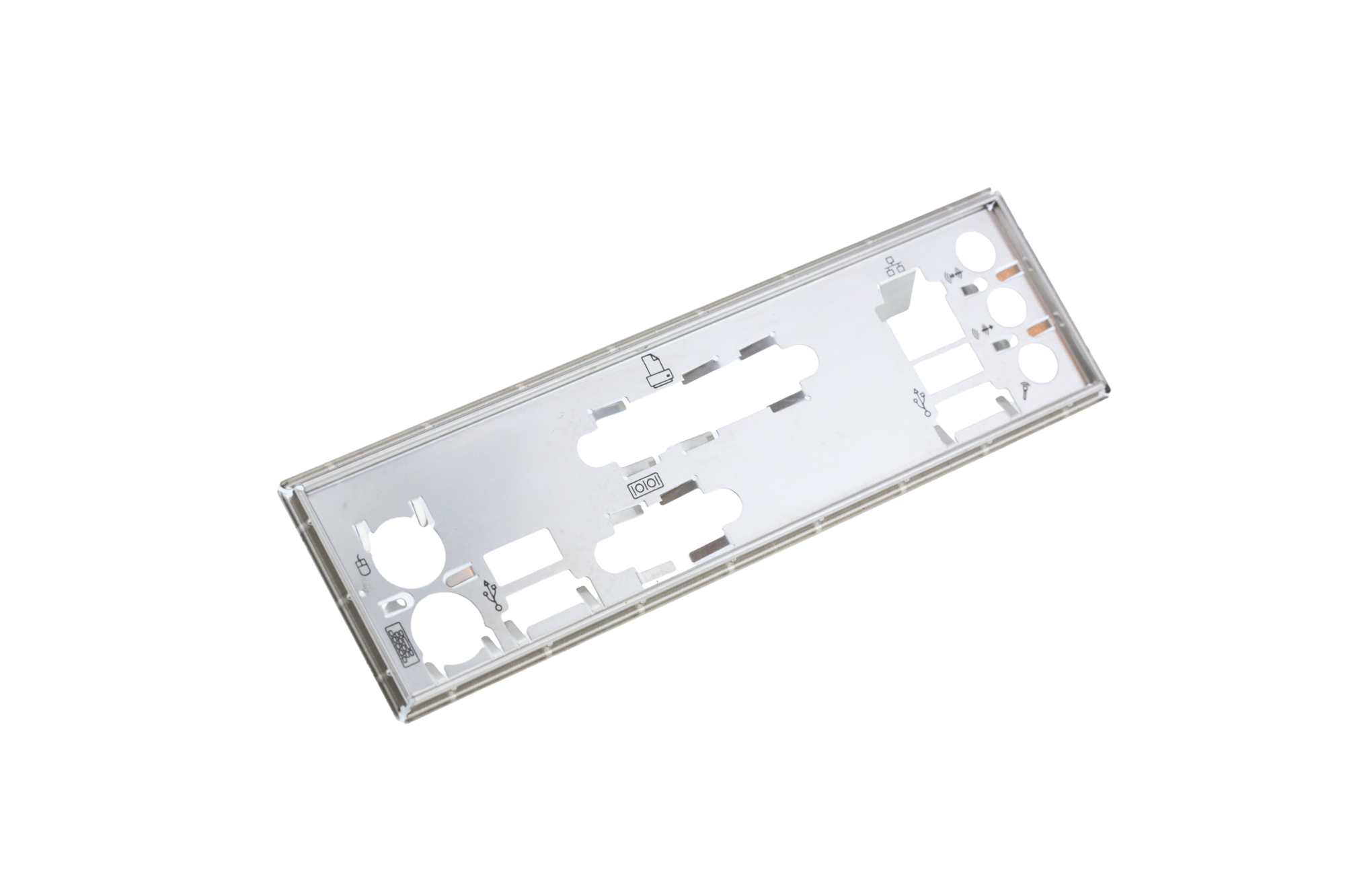
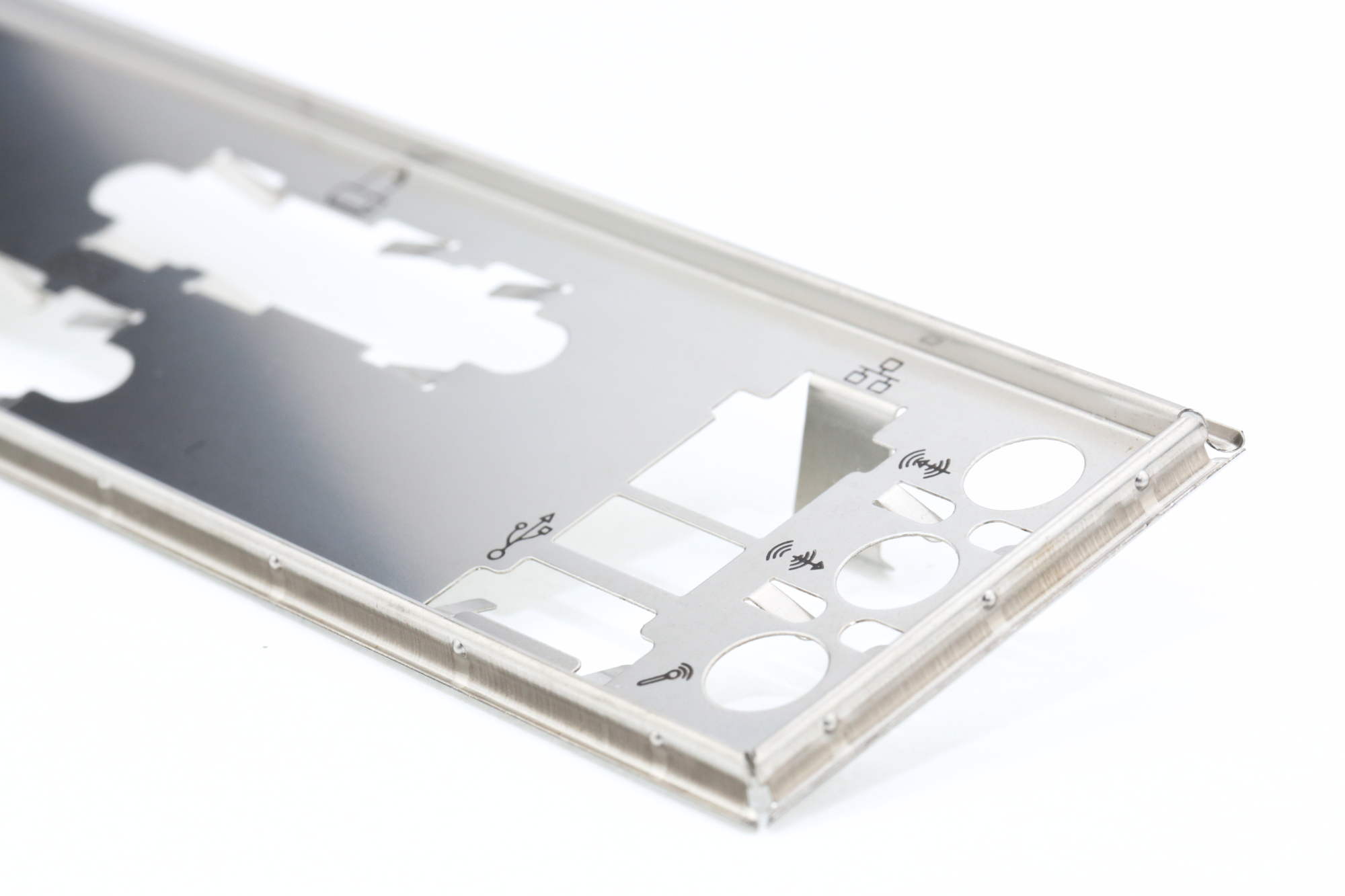
For high-volume I/O shields, for example, DTI developed a snap-in fit that removed the need for additional fixings.
Although relatively small in design terms, removing the need for additional fixings dramatically reduced assembly time and associated costs across high-volume production.
This is where Design for Assembly (DFA) becomes important.
Engineers need to consider not only how individual components will be manufactured, but how the complete product will be put together.
Similar thinking can improve testing and rework.
Let’s take a look at another example. Introducing peelable EMI shields for a tier 1 OEM manufacturer meant that access to internal components for inspection was easier, and rework without the need for re-soldering was possible.
In each case, the design decision considered what would happen during real production and servicing, rather than focusing solely on the component in isolation.
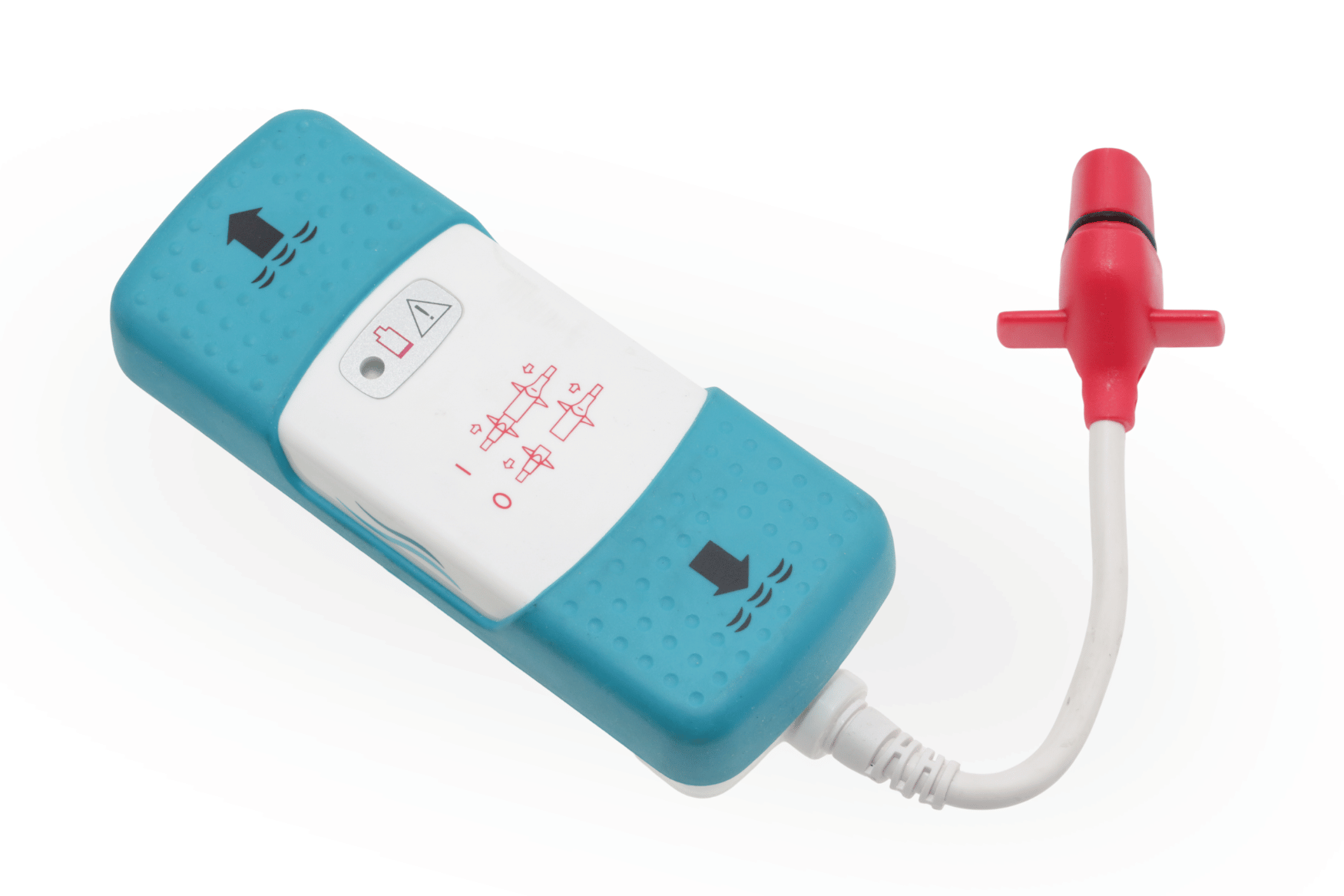
Product Design and Development in Practice: Engineering Safety Into a Medical Hand Controller
Early testing and engineering input become even more important when product safety is involved.
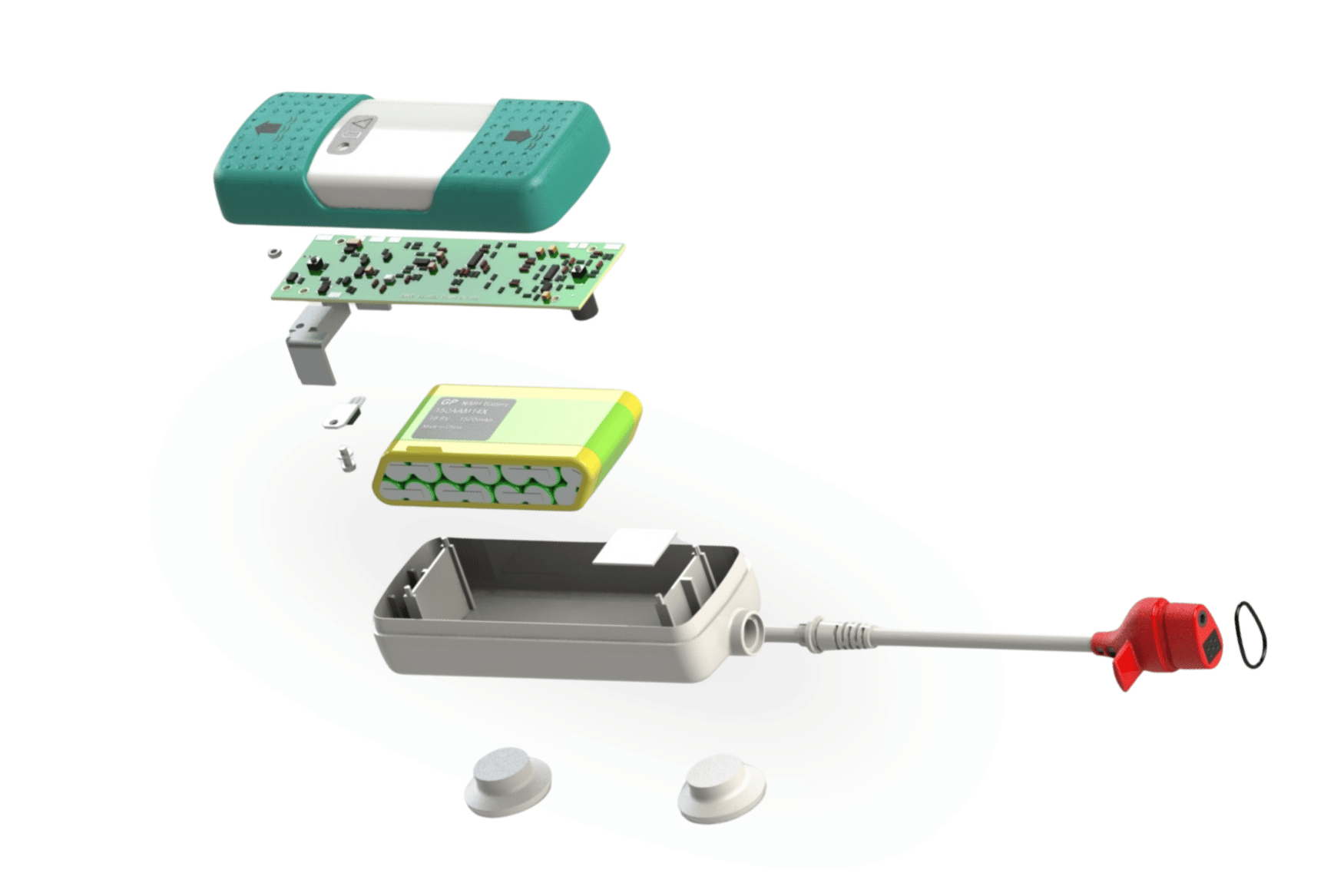
During the development of a hand controller for a bath lifter, testing identified the need to account for battery off-gassing.
Without suitable venting, gas accumulation within the enclosure could create a serious safety risk, with the potential for the hand controller to explode.
The design therefore needed to allow gases to escape while maintaining the level of moisture protection required for its operating environment.
The resulting hand controller incorporated a waterproof, permeable venting solution, alongside improvements to moisture sealing and cable routing.
This wasn’t simply a case of designing a component and then determining how to manufacture it.
Prototyping and testing generated valuable information that fed back into the design, allowing the product to be refined before volume production.
That feedback loop is an important part of effective product development.
What Is Concurrent Engineering?
Concurrent engineering is a parallel development approach in which design, engineering, tooling, production and quality teams all work together from day one.
This reduces the traditional divide between departments, where problems can be passed around rather than identified and resolved collaboratively.
A tooling specialist can identify any problems while the component is still being designed. Production engineers can highlight assembly challenges before the process is established. Quality requirements can influence tolerances and inspection strategies before drawings are finalised.
Supply-chain considerations can also be addressed earlier, allowing material availability and lead times to form part of development planning, rather than just becoming unexpected problems immediately before production.
Does Early Manufacturing Input Restrict Design Creativity?
It shouldn’t.
Bringing manufacturing specialists into product development doesn’t mean allowing manufacturing requirements to dictate every design decision.
Instead, it gives designers and engineers a practical framework within which to solve the problem.
This is far less restrictive than discovering after design sign-off that an important feature is too expensive, or impossible, to manufacture at scale.
Good manufacturing input doesn’t simply tell a design team what cannot be done.
It helps determine how the intended result can be achieved reliably in production.
From Prototype to Production: Keeping Manufacturing in the Conversation
At DTI, we aim to keep design and manufacturing connected throughout product development.
That starts with understanding what the product needs to do, where it will operate, expected production quantities and any cost or delivery constraints.
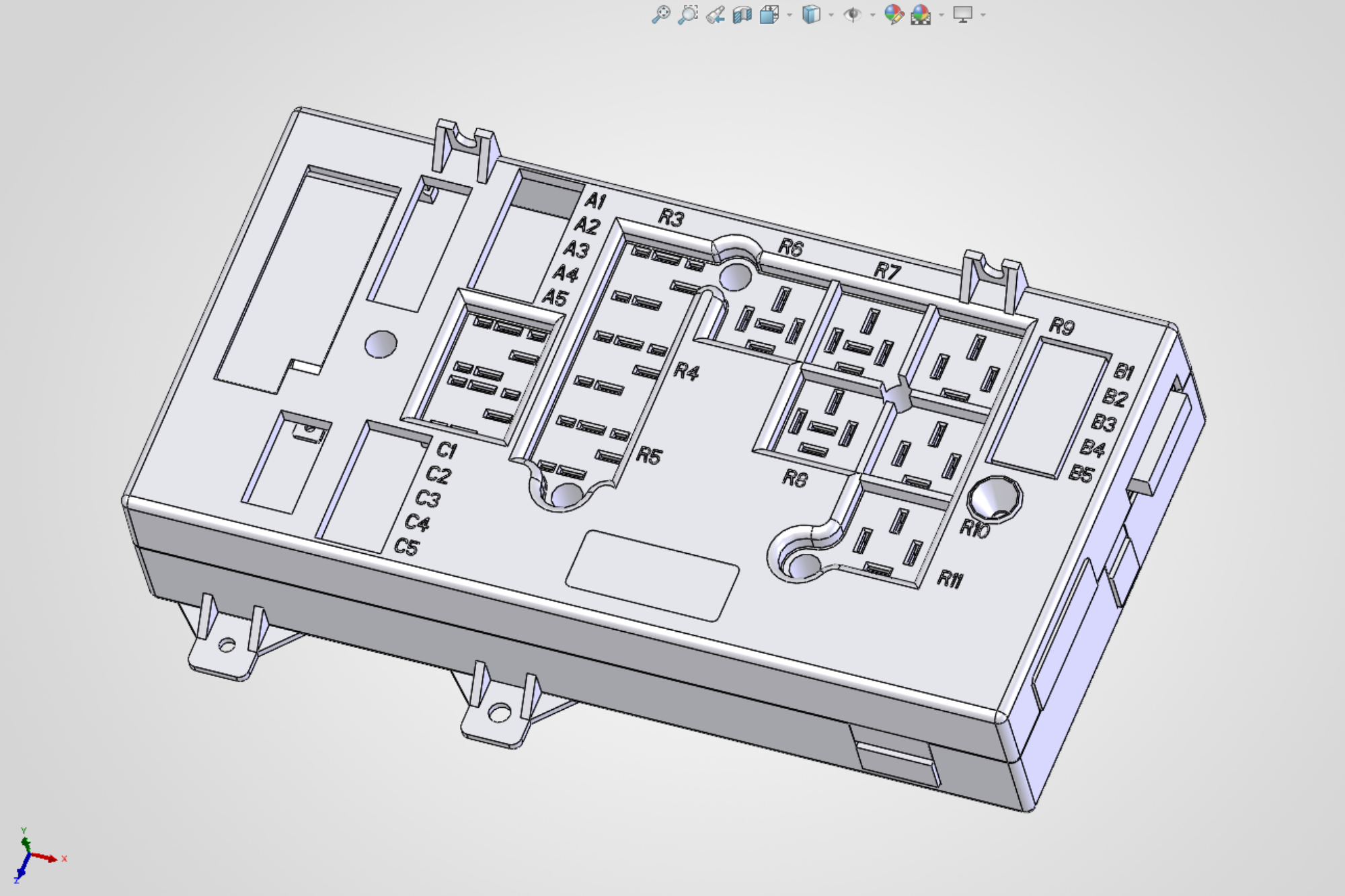
Initial drawings and CAD models can then be reviewed with high-volume manufacture in mind. A DFM review helps identify features that could affect tooling, moulding, assembly, testing or production cycle times.
Prototypes and test results provide another opportunity to validate those decisions and feed what has been learned back into the next design iteration.
As the project develops, the people responsible for making and assembling the product remain part of the conversation, facilitating a much more collaborative process.
This integrated approach helps create a clearer route from concept and prototype through to reliable volume production.
How Early Should You Involve a Manufacturing Partner?
Earlier than you might think.
You don’t need a finalised drawing before discussing a project with a manufacturing specialist.
An early concept, existing CAD model or working prototype can all provide a useful starting point. What’s equally important is explaining what the product needs to achieve.
Expected production volumes, target cost, operating conditions and timescales can influence the most appropriate material, tooling and manufacturing strategy.
Exact volumes aren’t always necessary during the earliest conversations, but even an approximate forecast can help determine whether a proposed route into production makes commercial sense.
It also helps to distinguish between requirements that are fixed and areas where there is still room to explore alternatives.
The more flexibility that remains, the greater the opportunity for engineering and manufacturing teams to improve the route into production.
Better Product Design Starts With Better Collaboration
Early manufacturing input is about using practical production knowledge to help develop a better product in the first place.
At Demand Technology International, our design, engineering, tooling and manufacturing expertise allows us to bridge the gap between early product concepts and reliable, cost-effective volume production.
By considering how a product will be made while it is still being developed, we can help identify risks earlier, reduce unnecessary engineering compromises and create a smoother route from prototype to production.
Developing a new product?
Speak to a member of the DTI team before your design is finalised to explore how early manufacturing input could improve your route to production.
Get in touch today to discuss your next project
Whether you have a question, require more information, or want to discuss a potential project, our expert engineering and operations teams are on hand to help you.
We look forward to hearing from you and collaborating on innovative solutions for your business.
"*" indicates required fields