
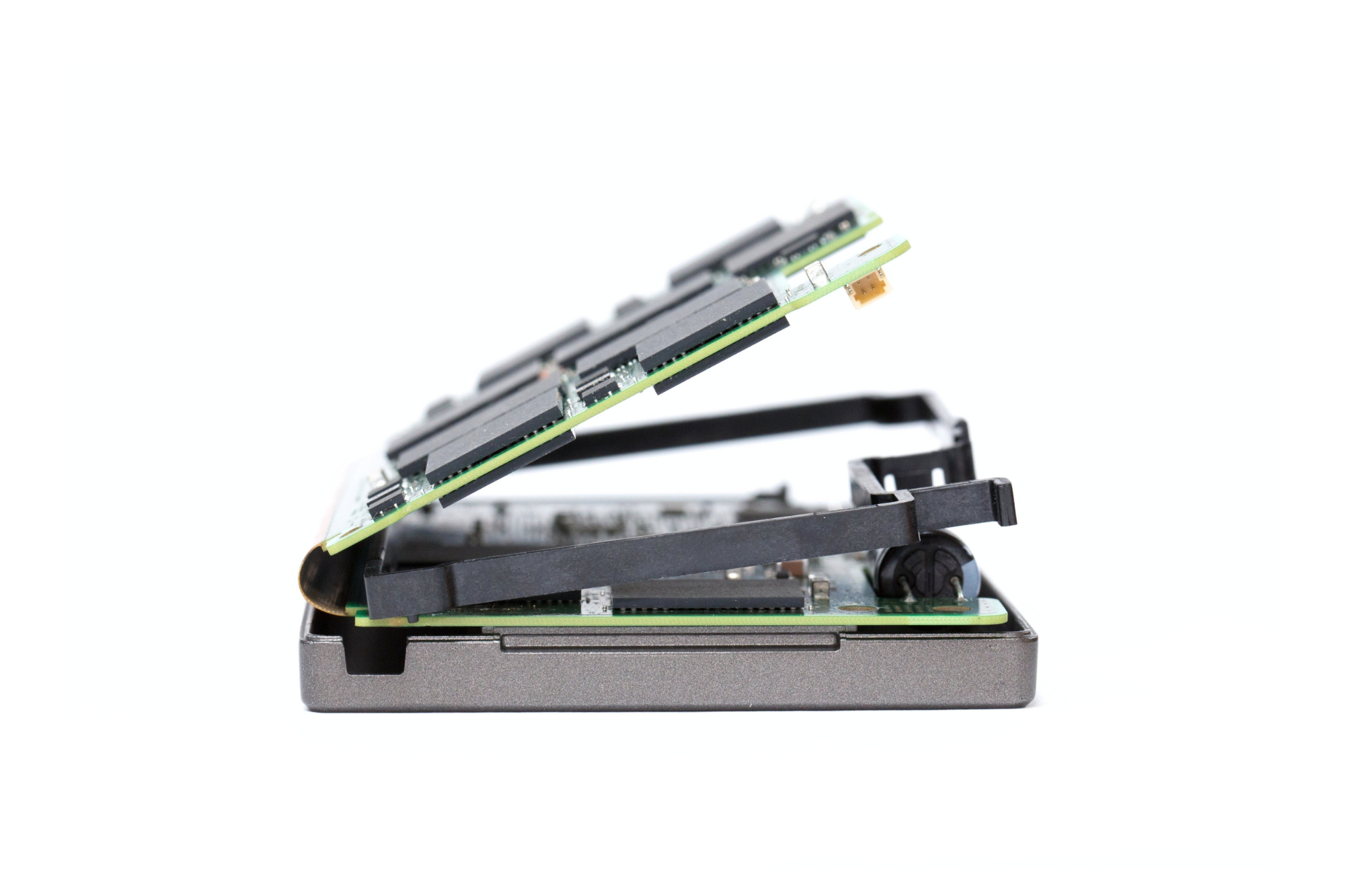
Great product design engineering is often invisible.
The end user doesn’t see the tolerance calculations, material assessments, structural analysis or manufacturing decisions behind a product. They simply experience something that looks right, feels solid, performs reliably and continues to work as expected for years to come.
Behind that seemingly simple surface sit hundreds of engineering decisions.
A visually compelling concept is only the beginning of a successful physical product; it must also withstand real-world loads and environments, be manufactured consistently, assembled efficiently and achieve the unit costs required to make it commercially viable.
That is where product design engineering creates value.
What Is Product Design Engineering?
Product design engineering bridges the gap between artistic industrial design and practical manufacturing.
Industrial design helps define how a product looks, feels and interacts with its user. Product design engineering gives that concept its functional backbone, considering everything from internal mechanics and structural integrity to materials, tolerances, assembly and manufacturing processes.
It answers practical questions. Will the product flex or deform under load? Could it overheat? Will components continue to fit and move correctly after thousands of cycles? Can it be assembled efficiently? Can it be manufactured reliably at the required volume and target cost?
This is why engineering shouldn’t simply be applied once a design is complete; it should help shape the product from the beginning.
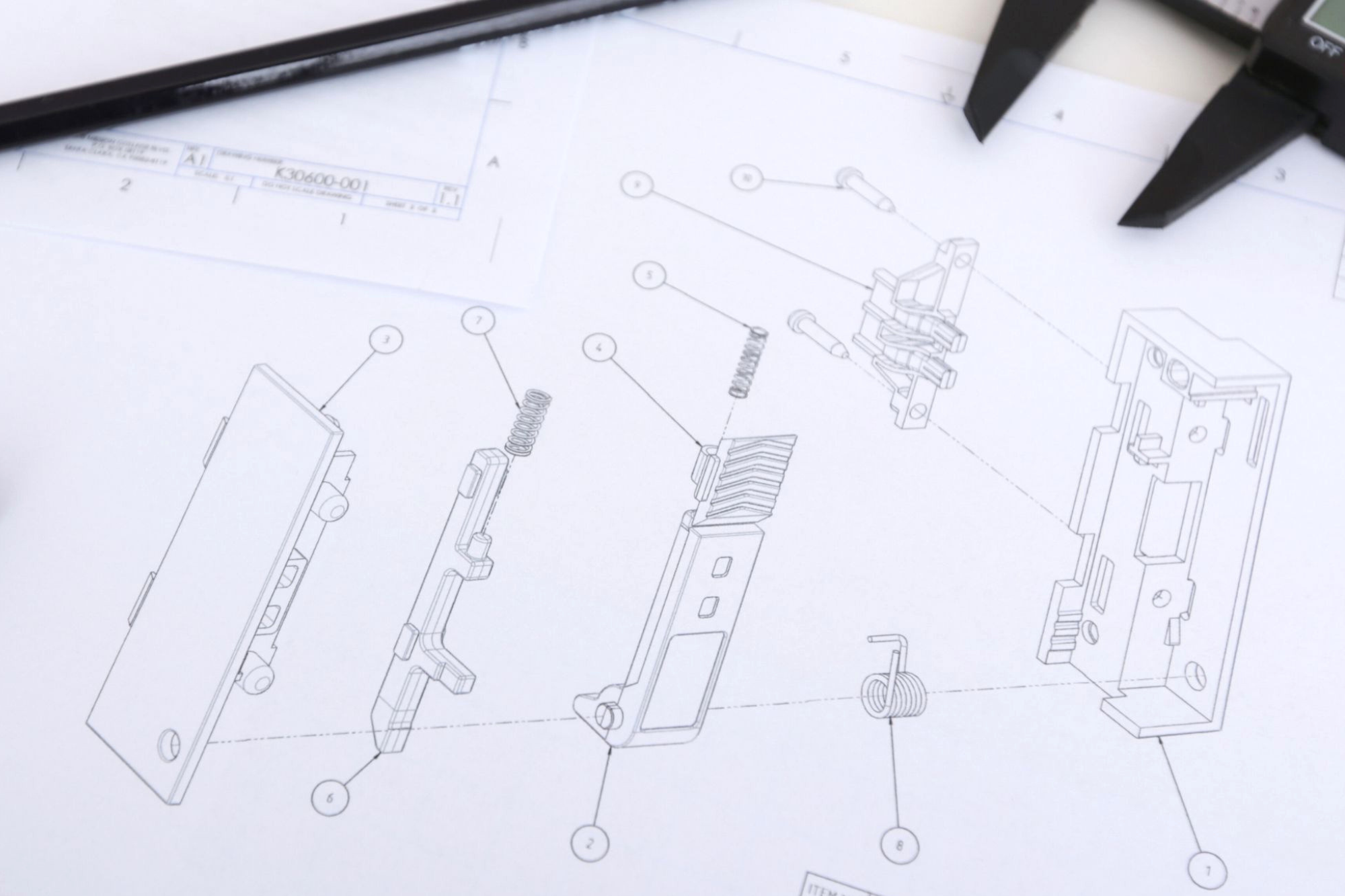
How Engineering Decisions Shape Product Performance
Product functionality is influenced by far more than what it looks like.
Engineering decisions determine mechanical action, load capacity, rigidity, thermal management and environmental protection. They also influence the user experience through weight distribution, ergonomics, tactile feedback and smooth, responsive mechanical operation.
Just as importantly, those decisions determine whether performance can be maintained throughout the product’s intended life.
Material selection is a good example.
A material that appears suitable during initial prototyping may behave very differently after prolonged UV exposure, repeated temperature changes or contact with particular chemicals. Selecting the appropriate material can help prevent premature stress fractures and degradation from day-to-day wear and tear.
Structural engineering is equally important. Ribbing and Finite Element Analysis (FEA) can be used to identify and address potential weak points without simply adding more material, weight and cost.
Then there are tolerances. Poor tolerance stack-up management can cause moving components to bind, wear prematurely or perform inconsistently. These details may be largely invisible in the finished product, but they have a direct influence on how reliably it performs.
Product Design Engineering Has a Direct Impact on Manufacturing Cost
A design can work perfectly in CAD and still be difficult or unnecessarily expensive to manufacture.
The geometry of an injection-moulded component, for example, affects how successfully it can be tooled and produced. Wall thickness, draft angles and other design features can influence moulding quality, tooling modifications and the risk of defects such as sink marks.
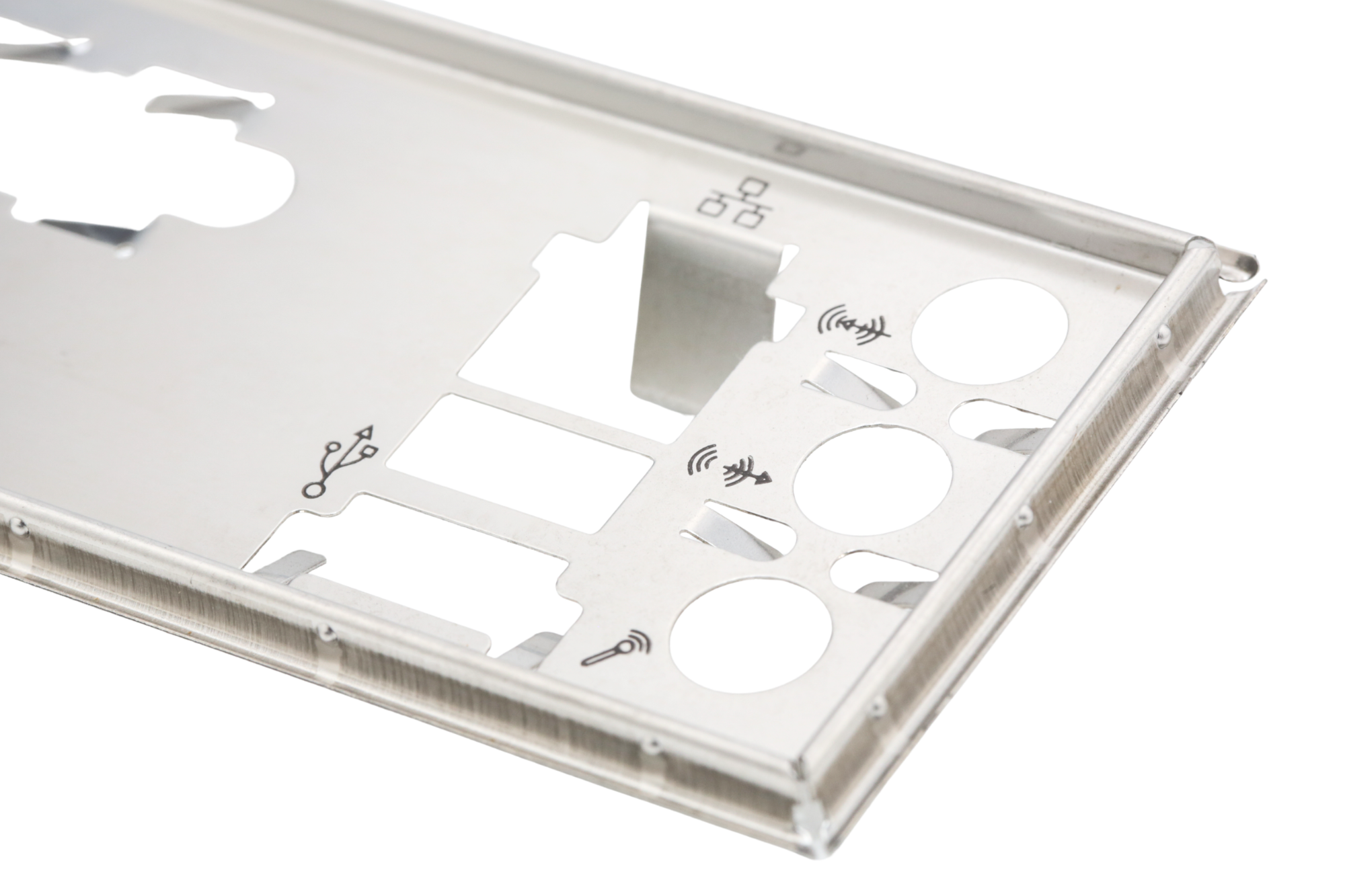
The same principles apply across complete assemblies. Because DTI’s engineering capabilities span precision metal pressings and plastic injection moulding, components can be developed together so that fine-tolerance metal contacts and structural plastic housings fit and function consistently during assembly.
Part count matters too.
If engineering allows several components to be consolidated into a single manufactured part, the benefits can extend beyond the raw cost of those components. Fewer parts can mean fewer suppliers and less time spent assembling the finished product.
Material and process selection can have a similar impact. Over-specifying a material or manufacturing process may add cost without delivering a meaningful performance advantage.
The objective isn’t simply to make a product manufacturable; it’s to engineer it so that it can be manufactured reliably, repeatedly and at a cost appropriate to its market.
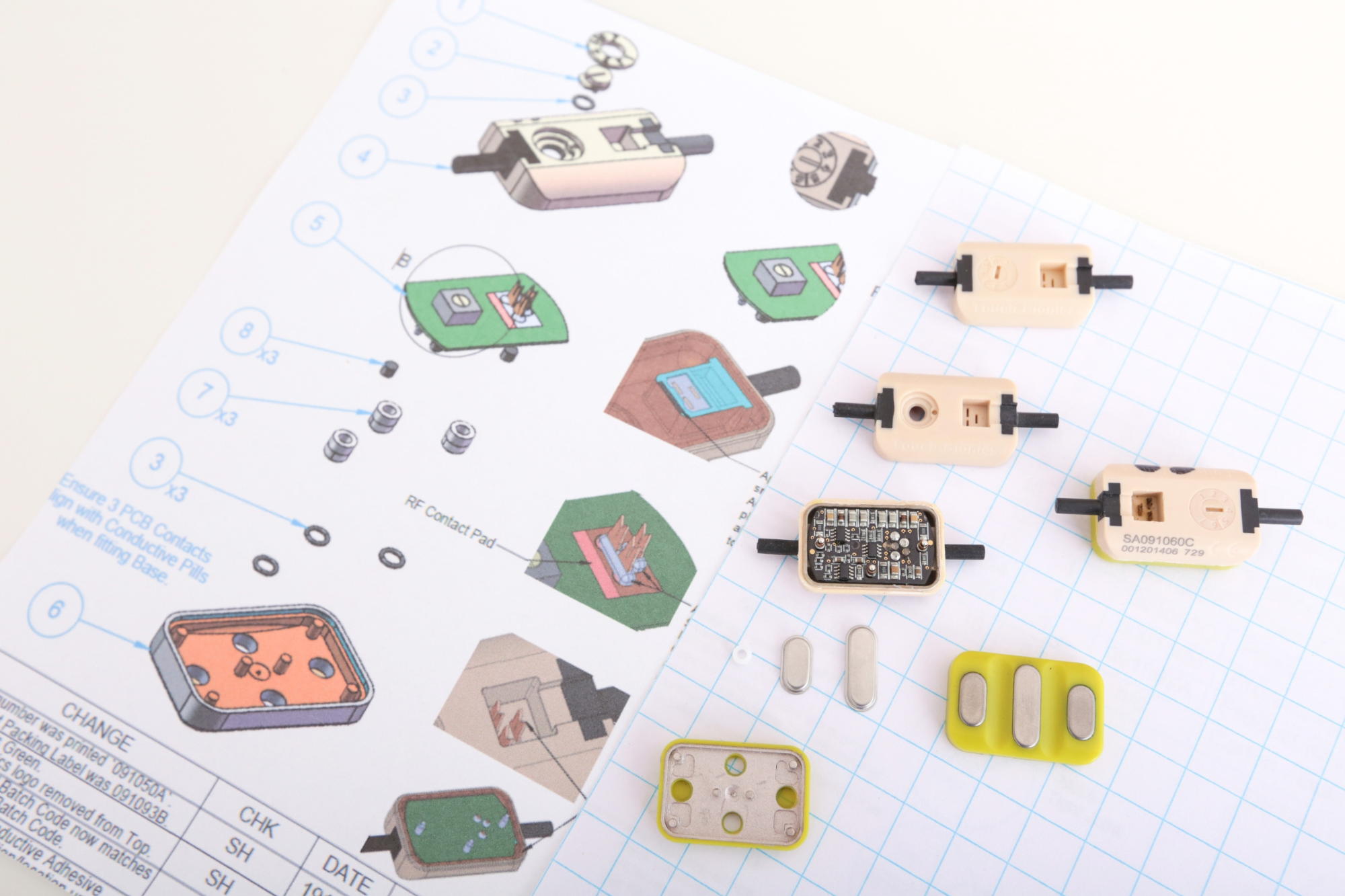
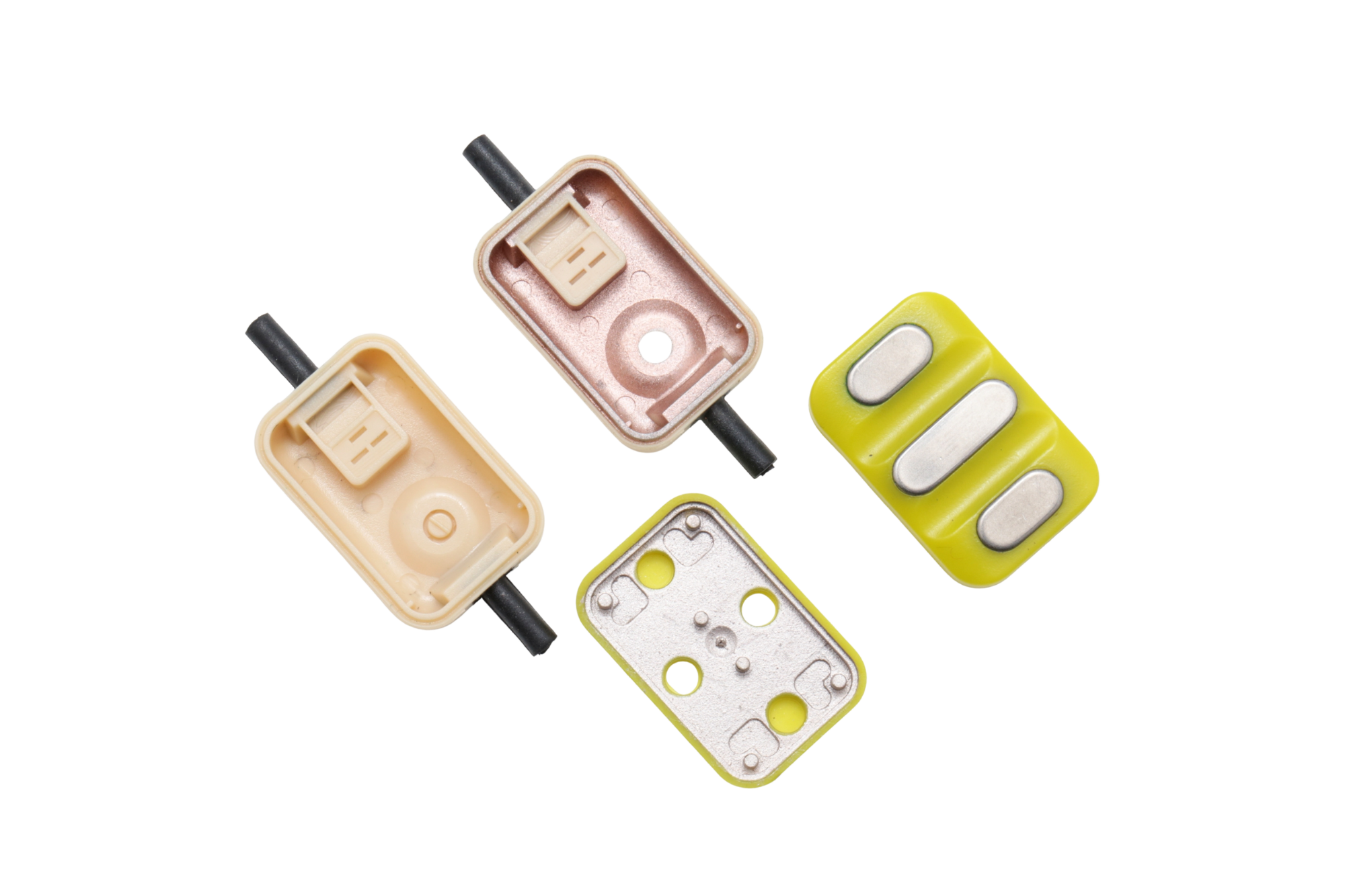
Why Innovation Has to Work on the Factory Floor
Innovation and manufacturability shouldn’t be competing priorities.
A visually polished render may look impressive, but that doesn’t necessarily mean the design is ready for production. If manufacturing and engineering requirements haven’t been considered, the product may prove prohibitively expensive to tool, build or assemble – quickly turning an innovative concept into a commercial liability.
The same applies to aesthetics.
An intricate mechanism may add unnecessary assembly operations. A material chosen primarily for its appearance may not withstand the product’s operating environment.
Good product design engineering doesn’t remove creativity from the process; it provides the framework needed to turn creative ideas into products that can actually be made and perform well commercially.
This is an important distinction in DTI projects: engineering is not brought in to dilute the original concept, but to protect what matters in that concept while finding a practical route to manufacture.
Groundbreaking concepts still need to work within the realities of tooling, moulding, machining, assembly and production. Considering these realities early makes it possible to protect the original design intent without discovering major bottlenecks or roadblocks after the concept has already been finalised.
The Cost of Bringing Engineering in Too Late
One of the most expensive mistakes in product development is treating manufacturing engineering as something that happens after the design phase has ended.
Focusing on appearance over function can create the impression that a product is close to production. In practice, it may still be far from ready.
In reality, it may still contain structural weaknesses, tooling problems, impractical tolerances, unsuitable materials or assembly operations that make it difficult to manufacture at the required cost.
By the time these issues are discovered, significant investment may already have been made in design and prototyping.
This is why Design for Manufacture (DFM) and Design for Assembly (DFA) are most valuable when considered early.
DFM considers how individual components should be designed for their intended manufacturing processes. DFA considers how those components will come together efficiently and reliably.
Bringing these disciplines into development early, before the design is locked in, can unearth opportunities to simplify components, reduce assembly operations and resolve manufacturing challenges – while the flexibility to make changes is still possible.
Why Integrated Engineering Teams Reduce Redesign
Many expensive development problems come from the gaps between the disciplines.
If industrial designers, structural engineers, tooling specialists and manufacturing teams work sequentially, problems can pass from one team to the next. A concept may be visually resolved before tooling requirements are considered, leaving production engineers to find a way of manufacturing something that was never designed around the realities of the process.
An integrated approach allows these considerations to happen concurrently.
At DTI, our engineers work alongside material, tooling and manufacturing specialists so that the result of design decisions can be considered at every stage during development.
This can reveal opportunities that might otherwise appear much later, from combining a few components into one moulded part to changing a material or geometry to improve production yield.
That unified approach also means challenging a brief when necessary. If a specified material, geometry or manufacturing route introduces unnecessary cost or risk, the role of the engineering team is to identify that early and propose a better route to the required outcome.
Early collaboration can mean fewer late-stage design compromises, smoother tooling trials and a faster route into reliable volume production.
Product Design Engineering in Practice: Rethinking EMI Shielding
The value of engineering becomes particularly clear when several competing requirements need to be solved at once.
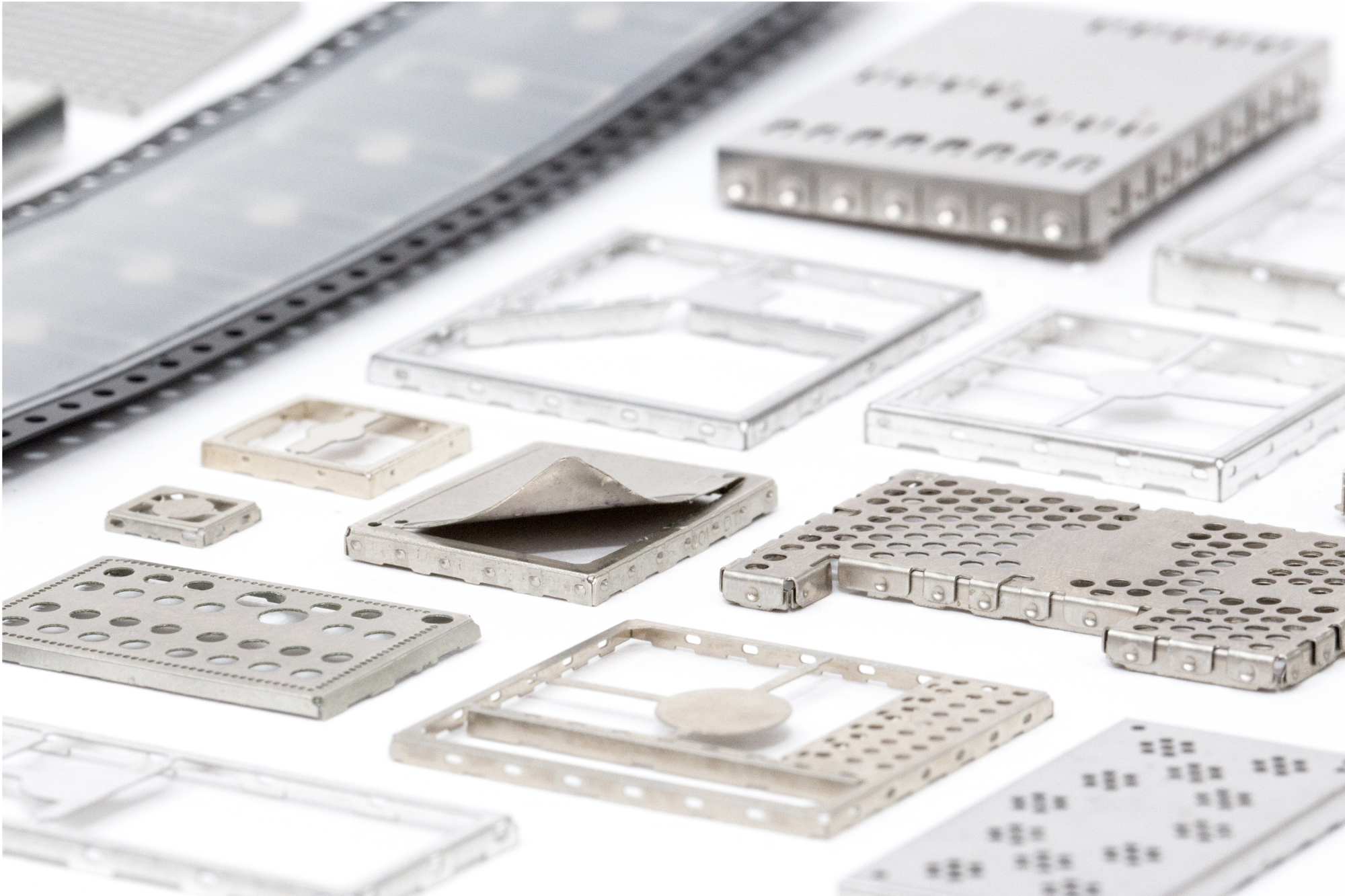
In one application for a global Tier 1 OEM, high-density board layouts, strict spatial constraints, thermal limitations and high-throughput production requirements created challenges for conventional EMI shielding.
Traditional two-piece shields using mechanical snap-on lids require retention features that can increase the vertical profile and consume valuable board space. Removing the lid during testing or rework can also risk damaging delicate micro-traces or neighbouring surface-mounted components. Fully soldered alternatives can require additional localised heating to gain access, introducing further thermal stress.
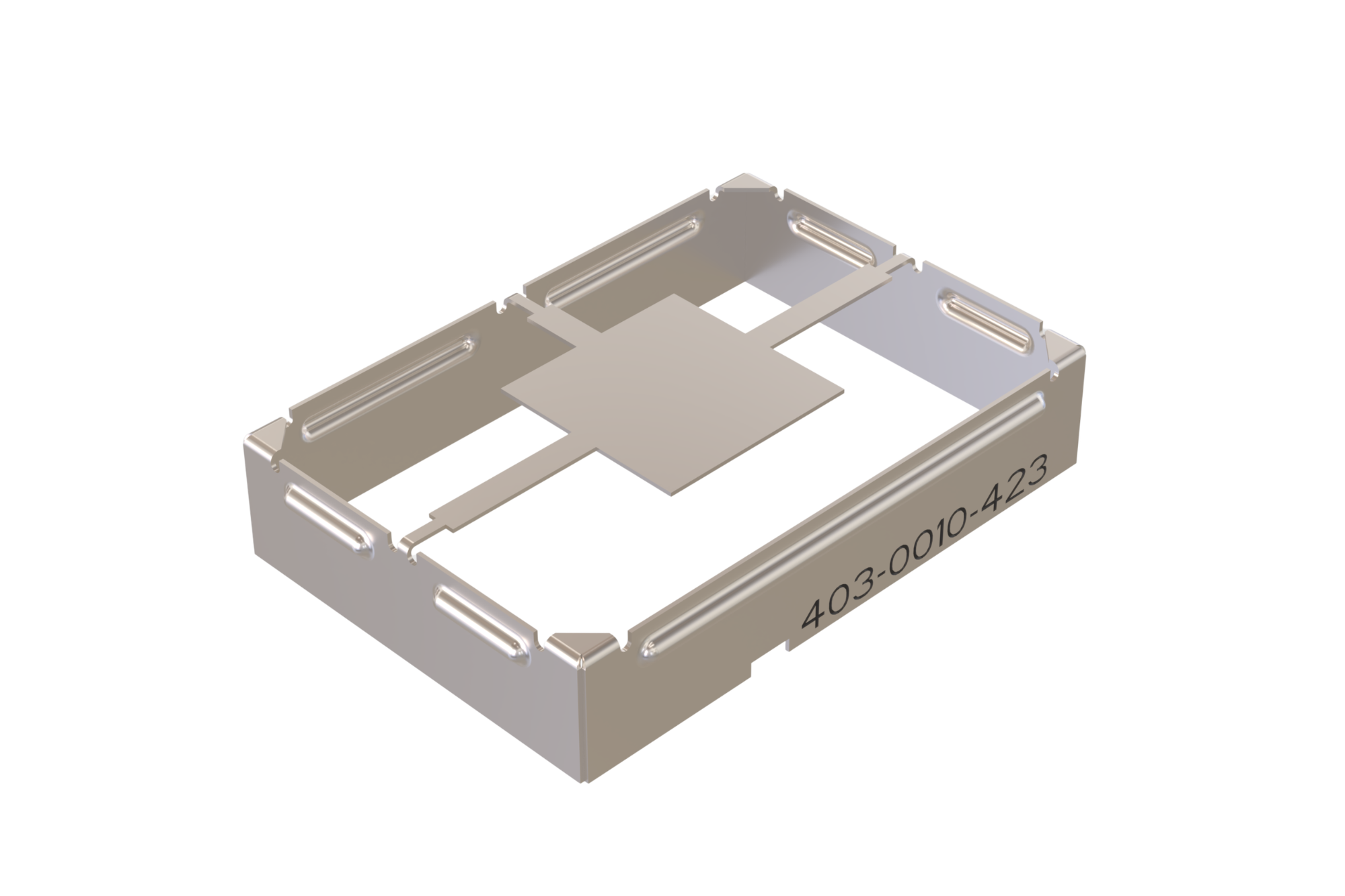
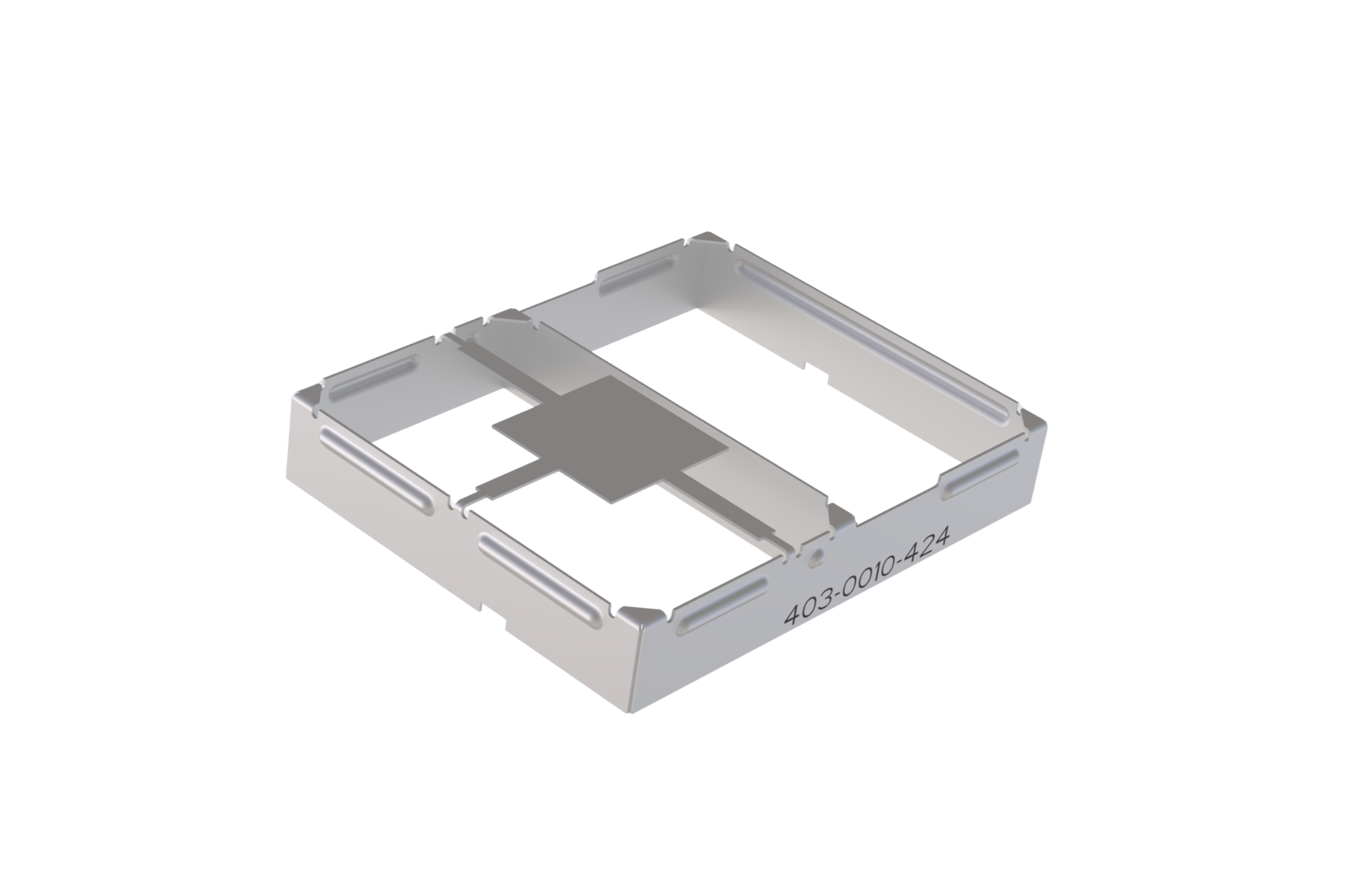
Demand Technology engineered a specialised two-piece EMI shield with a low-profile, peelable lid.
Replacing rigid mechanical latches with a peelable membrane attached to a surface-mounted ground frame provided non-destructive access to the circuitry without mechanical leverage or secondary heating.
Eliminating the snap-fit retention features also reduced overall shield height, while technicians could access internal circuitry for probing or tuning and subsequently reseal the shield.
It is a good example of product design engineering solving several requirements together through smart design: electrical performance, space constraints, manufacturing efficiency, testing and serviceability.
This is where product design engineering adds value that is easy to miss on a drawing: one design decision can solve several downstream problems at the same time.
Engineering for the Entire Product Lifecycle
The impact of engineering decisions continues long after a product leaves the production line.
Designing for modularity can allow individual sub-assemblies or wear components to be replaced without discarding the complete unit. Fastener positioning and enclosure design can determine whether servicing takes a few minutes or becomes a lengthy disassembly process.
Internal space can also be deliberately engineered to accommodate future circuit board revisions, sensors or mechanical upgrades without requiring new tooling for the main external housing.
Product lifecycle thinking can extend further to packaging, transport, maintenance and eventual recyclability.
DTI’s work with Bedfont Scientific on the redesign and continued development of established medical devices shows why this matters. Product design engineering is not only about creating something new; it can also extend the useful life of a proven product by making it easier to manufacture, support and evolve as requirements change.
These considerations may seem secondary during initial development, but across thousands of products they can have a substantial impact on operating costs, customer experience and long-term product value.
Getting Product Design Engineering Right From the Start
Above all, engineering and manufacturing expertise should be involved early.
The hidden value of product design engineering lies in problems that never reach production. While the end user may never see those decisions, they experience the result: a product that looks right, feels right, works reliably and lasts.
At Demand Technology International, we bring design, engineering, materials, tooling and manufacturing expertise together to develop products around both their performance requirements and the practical realities of production.
Developing a new product or looking to improve an existing design?
Get in touch with us today to discuss your product design engineering requirements.
Get in touch today to discuss your next project
Whether you have a question, require more information, or want to discuss a potential project, our expert engineering and operations teams are on hand to help you.
We look forward to hearing from you and collaborating on innovative solutions for your business.
"*" indicates required fields