
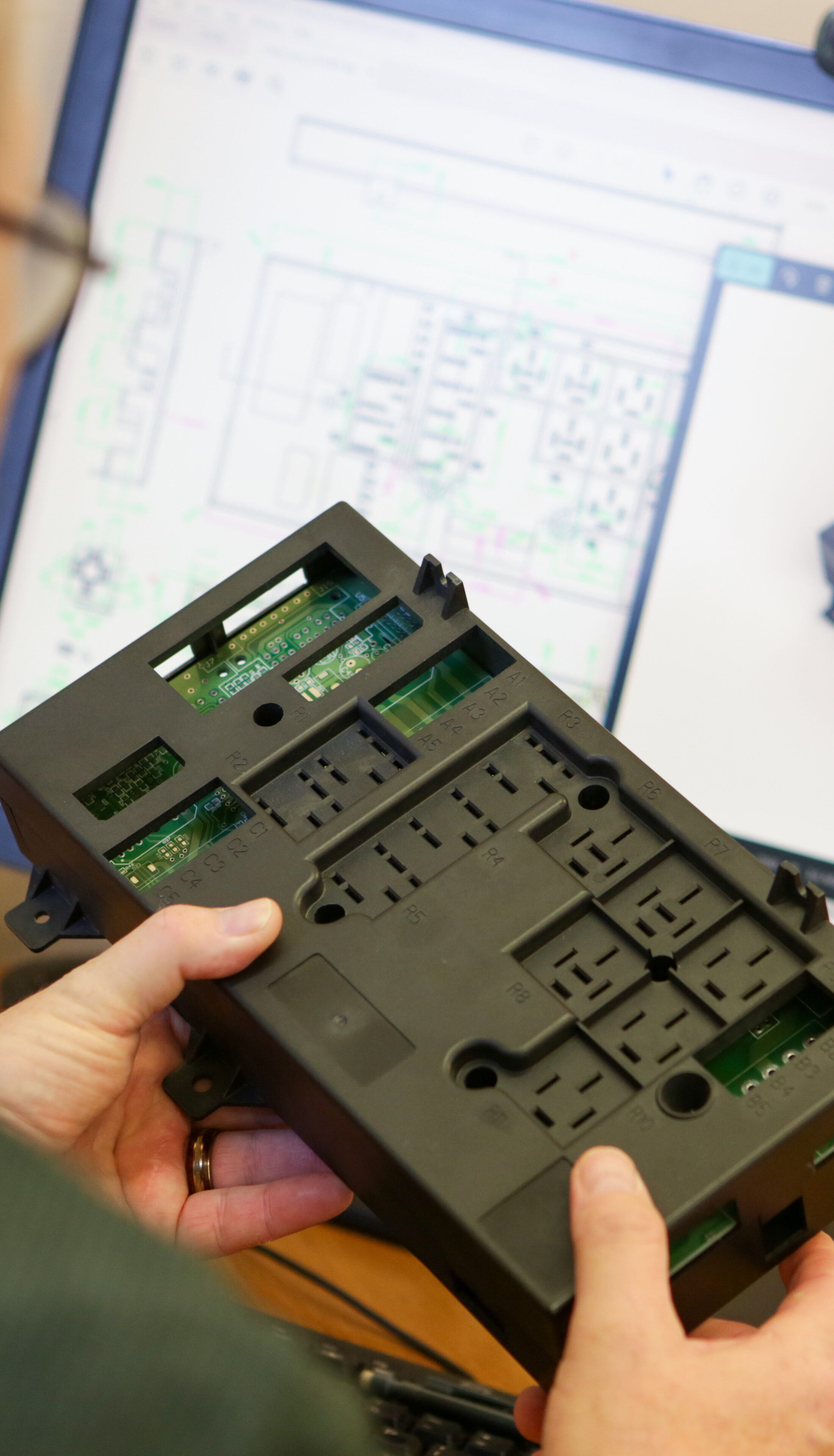
When looking for a manufacturer for your product, price, lead time, and production capability are obvious considerations.
And they absolutely are important. But they don’t tell the whole story.
The manufacturer you choose can influence product quality, production costs, supply reliability and your ability to scale. Their technical expertise can also help identify manufacturing risks and opportunities that aren’t immediately apparent from a drawing or CAD model.
This is where the distinction between a contract manufacturer and a manufacturing partner becomes critical.
A contract manufacturer builds strictly what is on the drawing.
A strong manufacturing partner looks beyond it, enabling the entire process to be more collaborative. They consider how the product could be manufactured more efficiently, where risks could emerge and how production requirements may change as your business grows.
Choosing the right partner is therefore about more than finding someone who can make your product today; it’s about finding a manufacturer capable of supporting where that product needs to go next.
Manufacturing Partner vs. Contract Manufacturer: What’s the Difference?
Contract manufacturing can be relatively transactional. They’ll receive a drawing, provide a quote, manufacture to the specification and deliver the finished components.
For some requirements, that’s simply what’s needed.
But manufacturing partnerships go further.
A manufacturing partner takes an active interest in how a product is engineered and produced. They can scrutinise designs for production efficiency, recommend material or process improvements, manage supply chain vulnerabilities and use Design for Manufacture (DFM) principles to reduce unnecessary cost and complexity.
Instead of simply asking, “Can we manufacture this?”, the question becomes, “Is this the best way to manufacture it?”
That shift can have significant commercial implications over the lifetime of a product.
Finding the Right Manufacturer for Your Product: What Should You Look for in a Manufacturing Partner?
Finding the right manufacturer requires looking beyond machinery and an initial piece-price quote.
Technical expertise and DFM capability
A manufacturing partner should understand the engineering behind what they’re producing.
That means being able to identify unnecessarily tight tolerances, inefficient assembly operations, unsuitable material choices or design features that could make production more difficult than it needs to be.
The earlier that expertise is applied, the greater the opportunity to make improvements before tooling and manufacturing processes are fixed.
Quality and consistency
Quality isn’t simply about inspecting finished parts.
A strong manufacturing partner should have robust quality systems, appropriate inspection capabilities and traceability throughout production. Relevant quality accreditations and First Article Inspection (FAI) samples with full inspection reports may also be needed.
The objective isn’t simply to manufacture a component correctly once; it’s to achieve the required standard consistently throughout production.
Scalability
The right manufacturer for 500 units may not necessarily be the right manufacturer for 50,000.
Consider future demand as well as current requirements. Does the manufacturer have the equipment, capacity, tooling knowledge and supply chain capability to respond if volumes increase?
Planning for scalability early can prevent growth from becoming a production problem later.
Communication and responsiveness
Manufacturing relationships rarely operate entirely without change.
Because demand will likely fluctuate. Materials may become harder to source. Engineering changes will probably happen. And urgent requirements emerge at the drop of a hat.
That’s why open communication is absolutely essential and a cornerstone of every partnership. The ability to react quickly when these things change can be just as important as technical capability.
Not only does a relationship like this build confidence, but it also ensures there are no surprises along the way. As a result, your business can rely on consistent results, predictable outcomes and long-term trust.
Supply chain resilience
Manufacturing expertise also means understanding the wider supply chain.
An experienced partner can help identify potential production risks, consider alternative sourcing strategies and anticipate issues before they can have a significant impact.
Experience across different products, markets and technologies can be particularly valuable here, because the manufacturer may have already encountered challenges that are new to your business — so they can act as an extension of your team, bringing valuable expertise when needed.
The Lowest Piece Price Isn’t Necessarily the Lowest Cost
It’s easy to compare manufacturing suppliers using unit price.
It’s also potentially misleading.
A lower piece price can quickly lose its advantage if production is affected by poor yields, excessive scrap, quality issues, delayed deliveries or inefficient assembly.
Poor communication carries a cost too.
Time spent chasing deliveries, resolving recurring quality problems or managing avoidable production issues is a cost to the business, even if it never appears on the original manufacturing quote.
The same applies to product design.
If a manufacturer simply produces exactly what has been specified, unnecessarily complex features or tolerances may remain in the product for years. Across thousands of units, relatively small inefficiencies can become significant costs.
The more useful question is therefore “What will this manufacturing relationship cost – and create in value – over the life of the product?”

How a Manufacturing Partner Can Help Optimise Your Product
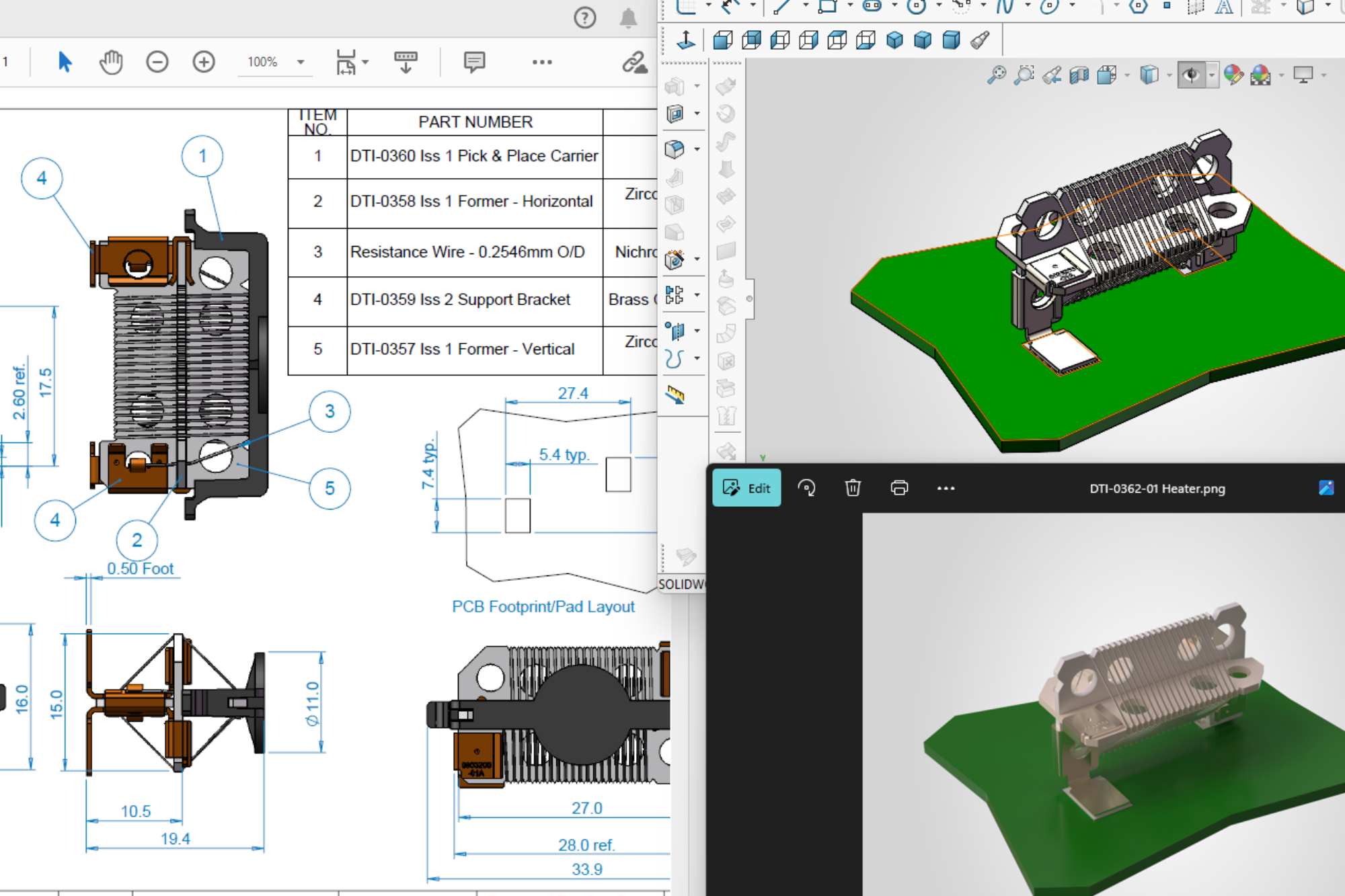
Manufacturing experience can provide a different perspective on a product because it connects engineering decisions with what actually happens during tooling, machining, moulding, assembly and repeat production.
A detailed DFM review might identify tolerances that add manufacturing cost without improving functionality. An alternative material could provide the required performance at a lower cost. A different tooling or machining strategy could improve efficiency, while eliminating a redundant assembly operation could reduce both labour and the opportunity for error.
Sometimes several components can even be combined into a simpler manufactured solution.
These changes don’t necessarily alter what the customer experiences, but they can make the product easier, more reliable and more economical to manufacture.
That is one of the key differences between manufacturing capacity and manufacturing expertise.
Manufacturing Partnership in Practice: Looking Beyond the Existing Specification
The value of a proactive manufacturing relationship is often found in issues that haven’t yet become problems.
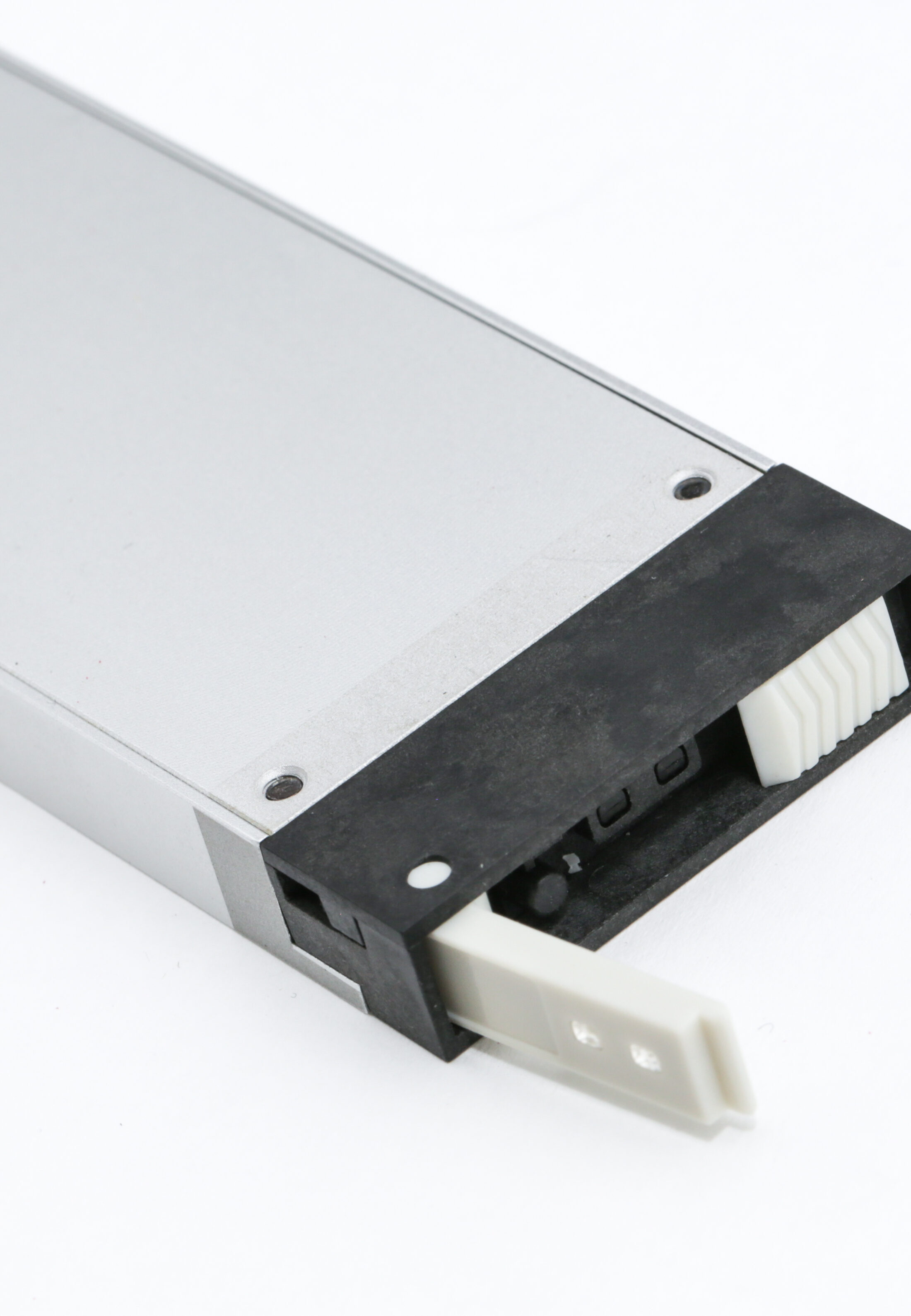
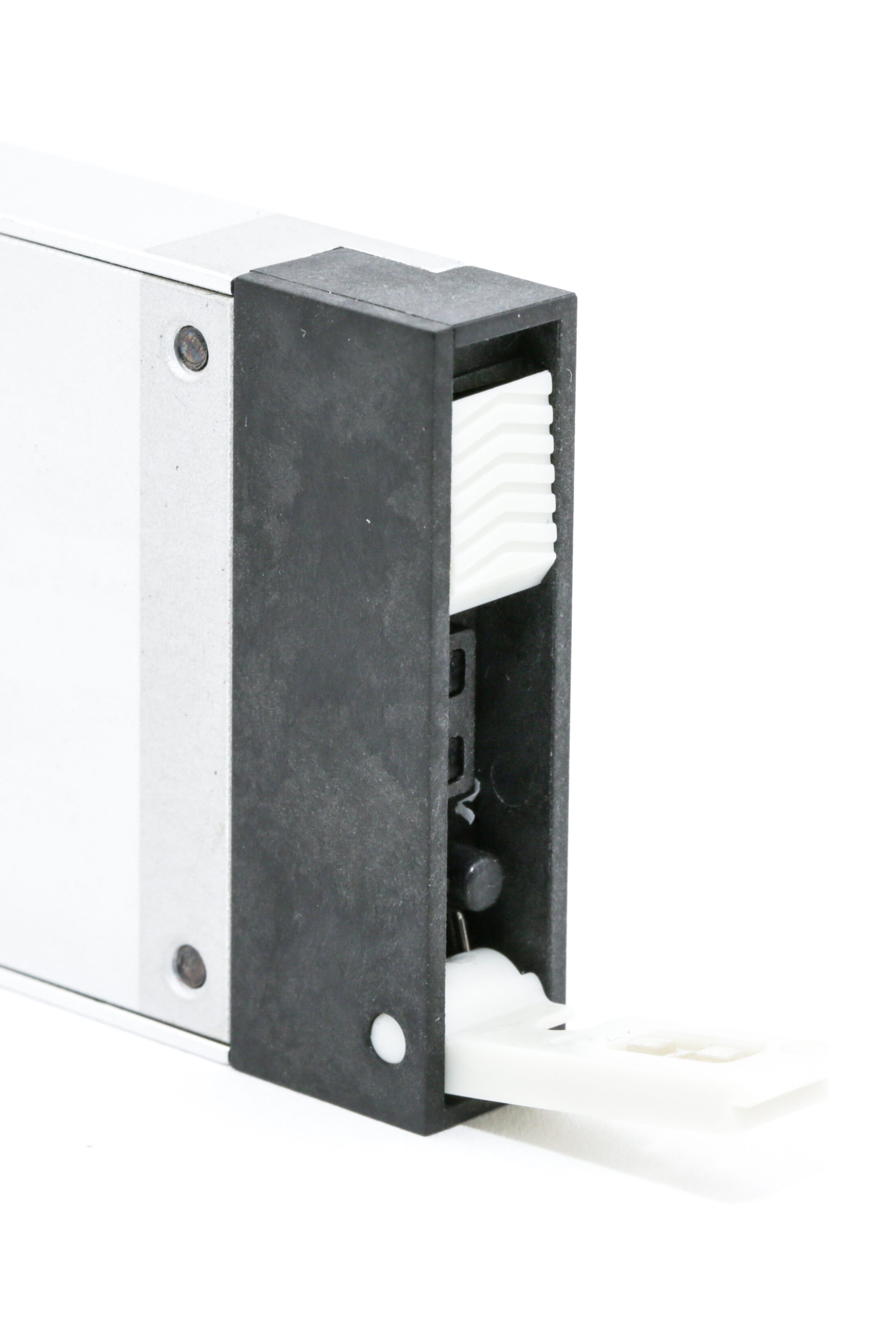
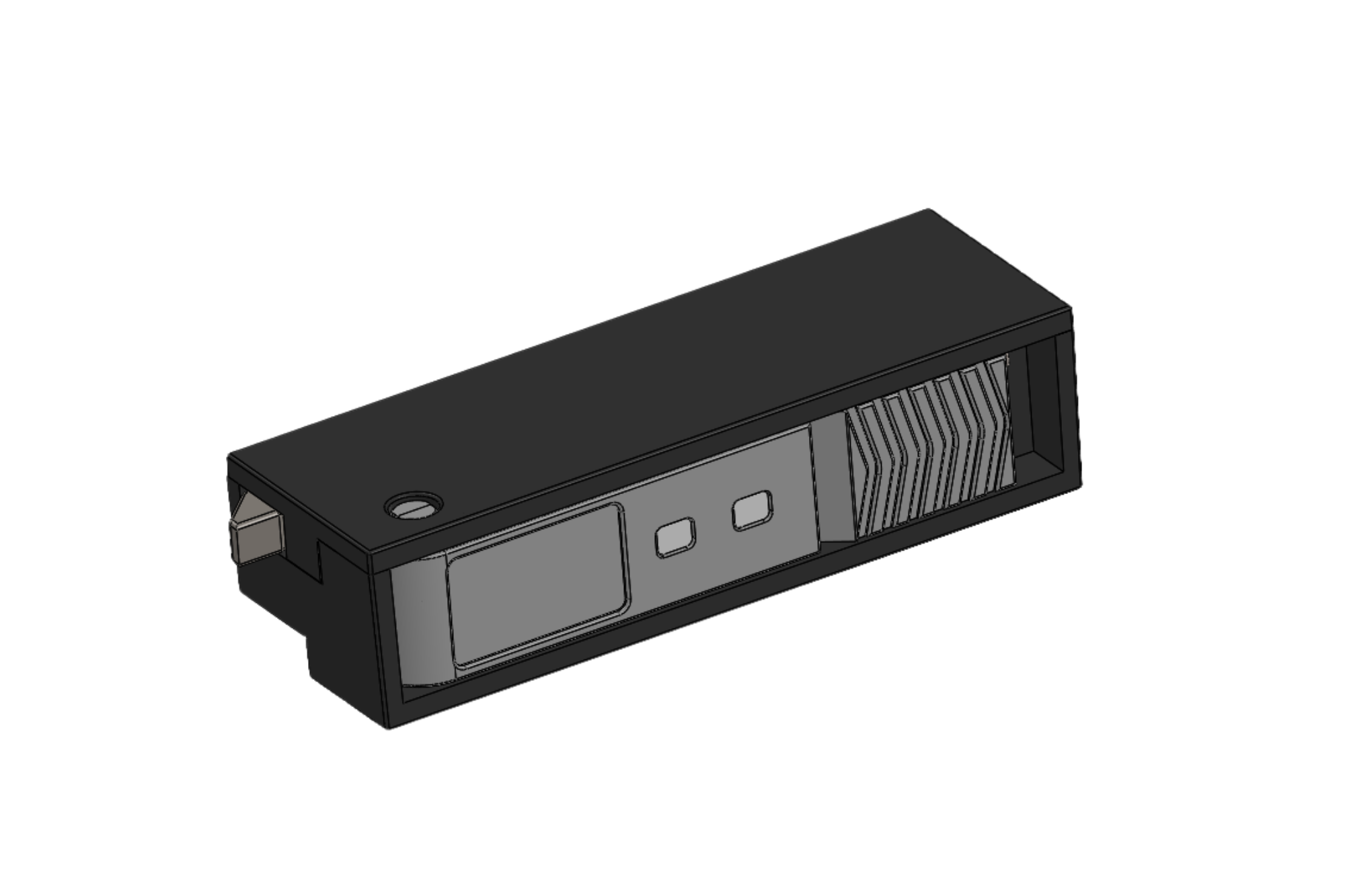
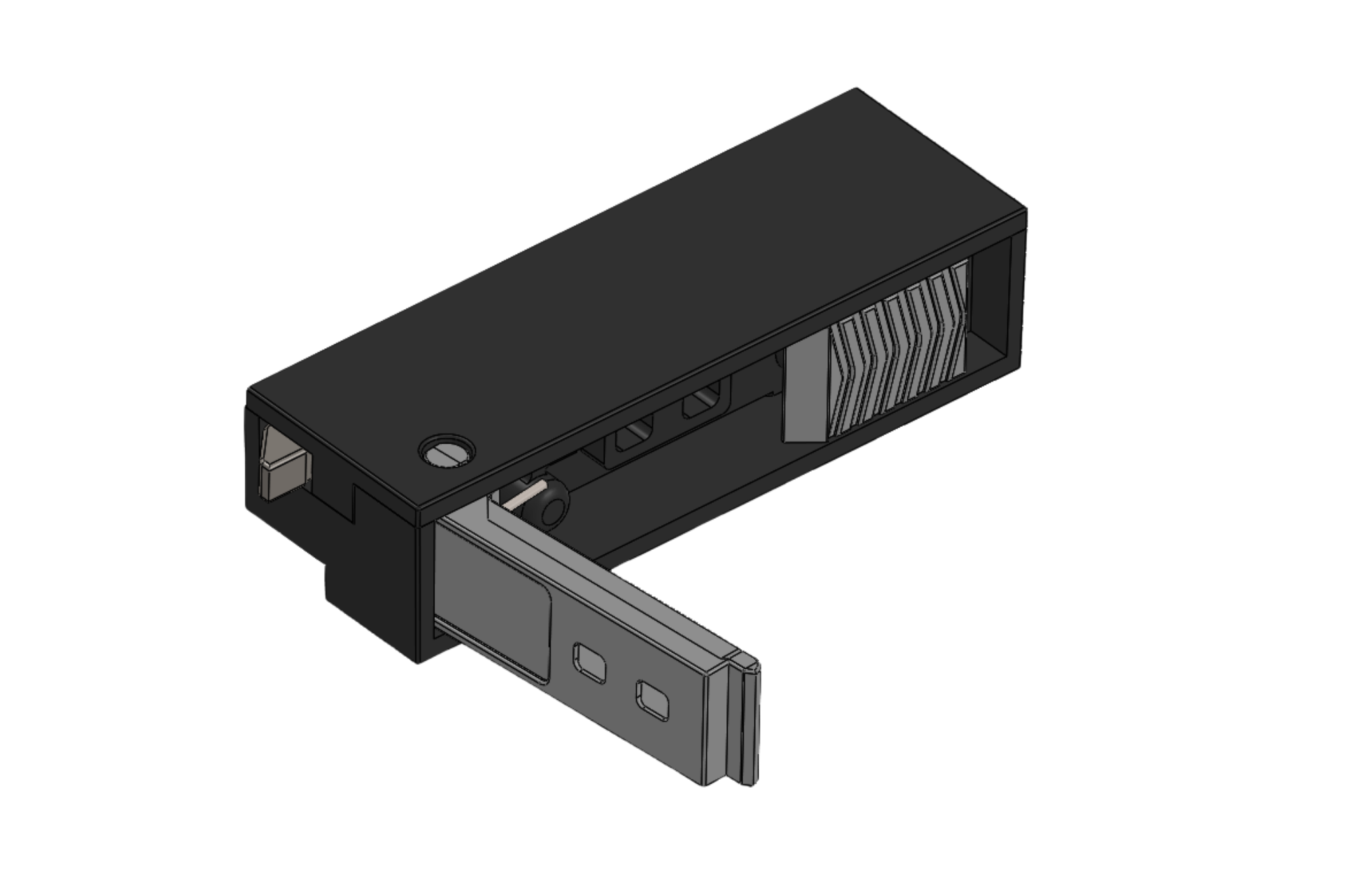
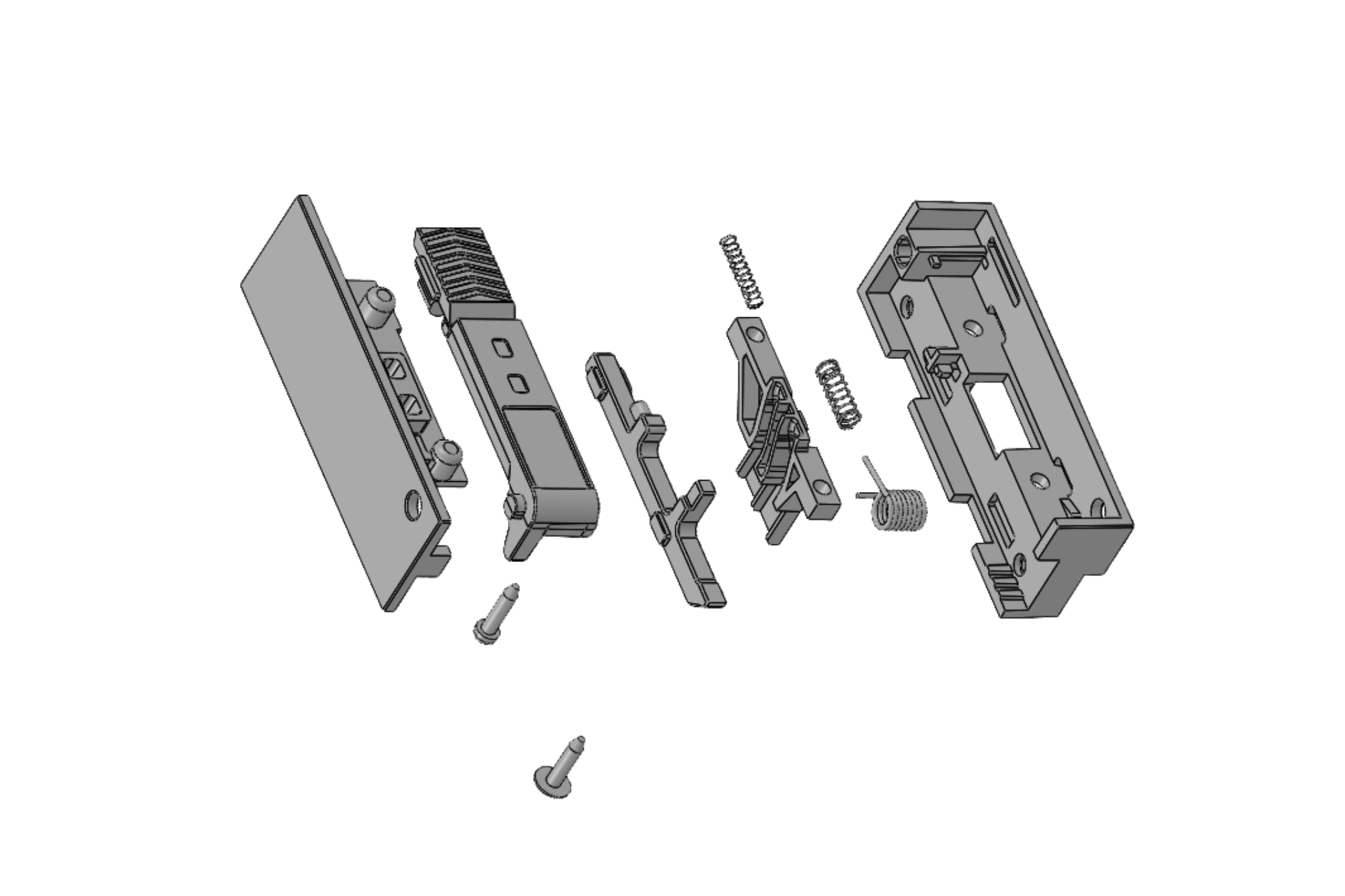
During discussions around future environmental legislation and sustainability objectives with a major client, DTI reviewed the materials used within one of its data centre latch assemblies.
The existing brass PEM inserts met applicable RoHS and REACH requirements, but contained a small amount of lead. Rather than simply continuing to manufacture the existing compliant specification, DTI alerted the client to the presence of lead and explored alternatives that could better support the client’s wider sustainability objectives.
Several lead-free options were evaluated, including steel and aluminium. Following testing, the client selected aluminium, enabling the product to move to a lead-free solution without compromising the required performance or strength.
The significance extends beyond the material change itself.
It demonstrates what manufacturing partnership can look like in practice: applying experience to identify an issue, raising it proactively and working collaboratively to find an appropriate solution rather than waiting for the customer to request a change.
Why You Should Involve Your Manufacturing Partner Early
One of the most valuable times to involve a manufacturer is before your production drawings are finalised.
At this stage, CAD models are still relatively fluid, and engineering changes can usually be made more efficiently.
DFM input can help refine tolerances, materials, geometry, assembly methods and tooling strategies before significant capital is committed.
Bringing in expertise early could save you thousands in tooling and redesign costs later.
And being open about target unit costs, expected volumes, launch requirements and future forecasts gives the manufacturing team the context they need to recommend an appropriate solution from the outset.
Why Long-Term Manufacturing Relationships Can Deliver More Value
Every product has a learning curve.
Over time, a manufacturing partner develops detailed knowledge of its critical tolerances, materials, quality requirements, assembly processes, historical issues and production patterns.
And that knowledge can become increasingly valuable.
Changing suppliers regularly can mean rebuilding some of that understanding, requalifying processes and introducing new quality risks. A long-term partner, by contrast, can use accumulated product knowledge to support continuous improvement.
As requirements evolve, they are also better placed to understand the implications of a change and respond accordingly.
This doesn’t mean a long relationship is automatically successful; the value comes from maintaining a collaborative relationship in which both businesses continue looking for opportunities to improve quality, cost, resilience and production efficiency.
Questions to Ask When Choosing a Manufacturer for Your Product
Before making a decision, look beyond the surface. Capability is absolutely important, but for a successful partnership, your questions need to dive a little deeper.
For example, ask what engineering and DFM support the manufacturer can provide. Find out how they manage lead times and supply chain disruption.
Ask what happens if your demand doubles over the next 12 months.
And pay close attention to how they communicate before you’ve placed an order. Responsiveness during the selection process can tell you a great deal about the relationship that may follow.
Experience matters too. A manufacturer with a proven track record and experience across the complete product lifecycle is more likely to recognise risks, challenges and opportunities before they become expensive problems.
Finding the Right Manufacturing Partner for Long-Term Success
Finding a manufacturer for your product can be challenging if you don’t know what to look for.
At Demand Technology International, we take an in-depth interest in the products and businesses we support. Our experience across engineering, DFM, quality, manufacturing and global supply chains allows us to identify challenges and opportunities throughout the product lifecycle, while our long-term approach means developing a detailed understanding of each customer’s individual requirements.
The result is a manufacturing relationship that is designed to deliver consistently, respond when requirements change and support long-term growth.
Looking for a manufacturing partner for your product?
Get in touch with a member of our team today to discuss your requirements.
Get in touch today to discuss your next project
Whether you have a question, require more information, or want to discuss a potential project, our expert engineering and operations teams are on hand to help you.
We look forward to hearing from you and collaborating on innovative solutions for your business.
"*" indicates required fields