
Project Summary
Client: Seagate
Product: Heating Element for a Hard Drive Environmental Soak Station
Services: Product Design & Engineering, Prototyping & Testing, Material Selection, Design for Manufacture, Tooling, Assembly Engineering, Packaging, Manufacturing
Requirement: Develop a compact heating element capable of delivering Seagate’s specified thermal input within tightly controlled power and space limits, while maintaining the airflow required for consistent environmental testing and integrating with existing automated production equipment.
Outcome: A production-ready heating solution that met Seagate’s thermal, mechanical and electrical requirements, integrated with its established automated manufacturing process and progressed into sustained volume production. Approximately 200,000 units have now been manufactured, demonstrating consistent quality and reliable performance at volume
Project Benefits:
- Achieved the required environmental test conditions within strict power and space constraints.
- Maintained controlled airflow and heat distribution to support accurate, repeatable hard drive testing.
- Integrated directly with Seagate’s existing automated pick-and-place and reflow production processes.
- Avoided the need for additional handling systems or significant changes to established manufacturing equipment.
- Simplified integration into production and supported uninterrupted environmental soak testing.
- Supported efficient, repeatable volume manufacture through integrated assembly, electrical testing, inspection and quality control.
- Reduced supply risk by providing a bespoke solution where Seagate’s existing supplier base had been unable to meet the requirement.
Background:
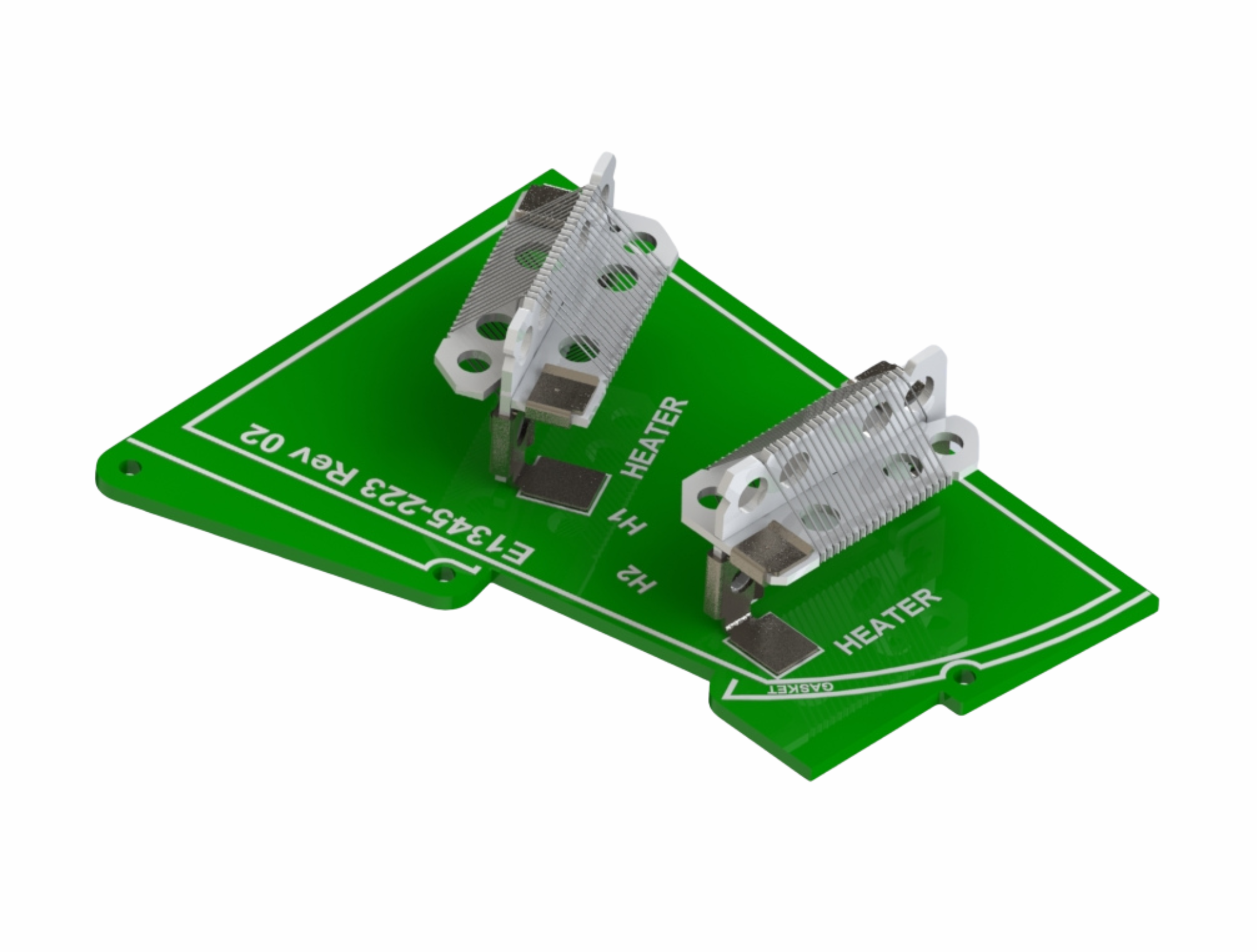
Seagate required a custom heater for the elevated-temperature stage of an end-of-line environmental soak station used during hard drive production. The station needed to apply a defined thermal profile reliably so that drives could be tested under controlled conditions before leaving the manufacturing environment.
The challenge was not simply to generate sufficient heat. Both the available space and electrical power were tightly restricted, while airflow through the station had to be maintained to achieve consistent conditions around the product being tested.
Seagate had been unable to source a suitable unit through its existing supplier base because available products could not combine the necessary thermal performance, compact footprint and compatibility with its production equipment. A purpose-designed solution was therefore needed that could satisfy the test requirement without introducing wider changes to an established manufacturing process.
Requirement:
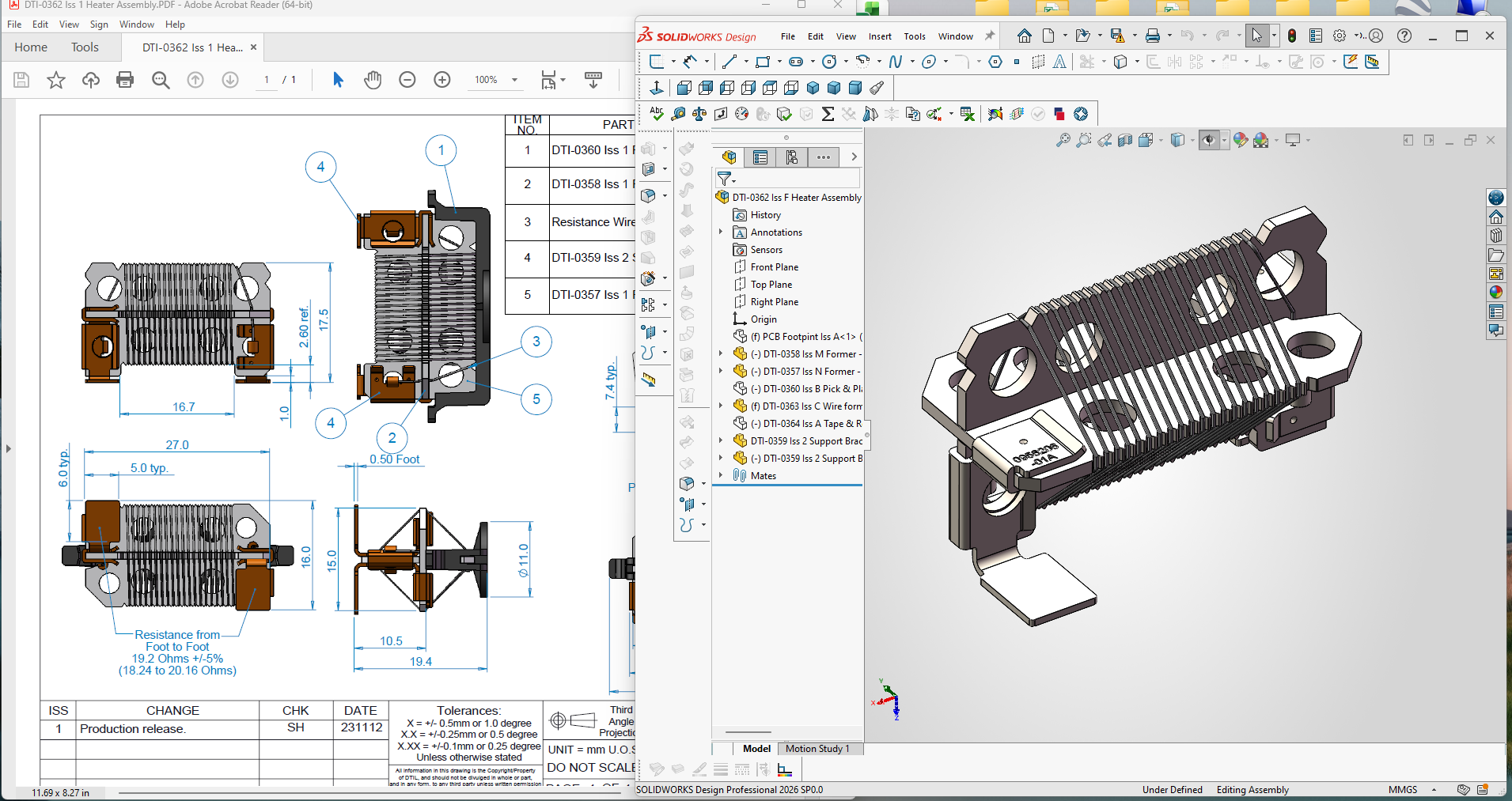
The heater had to deliver a specified thermal input within a precisely defined cavity and strict power limit, while operating continuously at wire temperatures of up to 1,800°C.
Sufficient heating-element surface area needed to be exposed to the moving air to transfer heat effectively, but without restricting airflow or creating hotspots that could affect the consistency of the environmental test conditions.
Material selection was therefore critical. Ceramic, metal and polymer components needed to retain the necessary thermal, mechanical and electrical properties within an extreme operating environment while remaining suitable for reliable volume manufacture.
The complete assembly also had to integrate with Seagate’s existing high-volume automated production equipment, including pick-and-place and reflow processes. The requirement extended beyond producing a heater that performed correctly in isolation: the finished component needed to fit the existing equipment envelope and become a practical part of Seagate’s established manufacturing system.
Solution
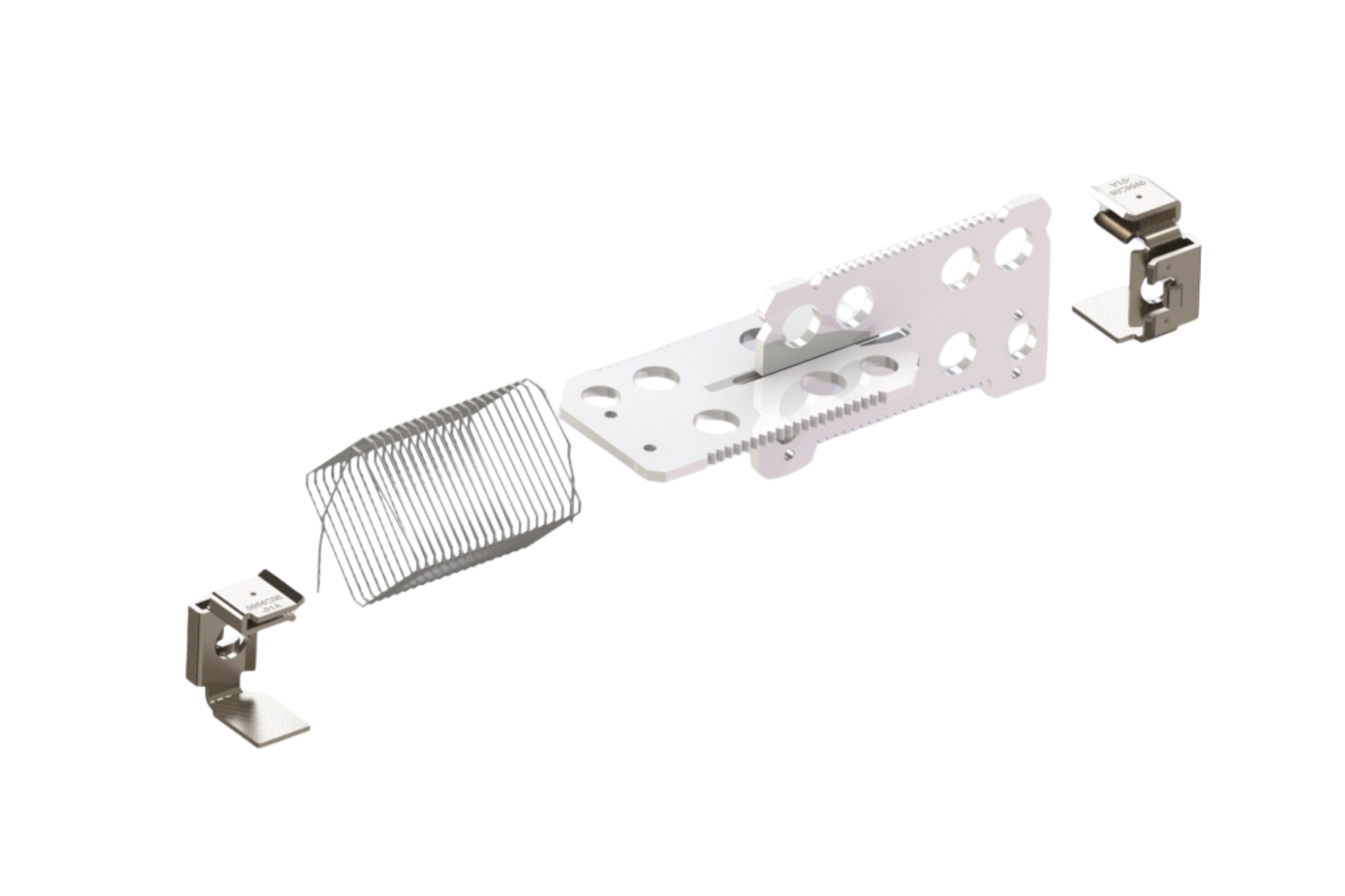
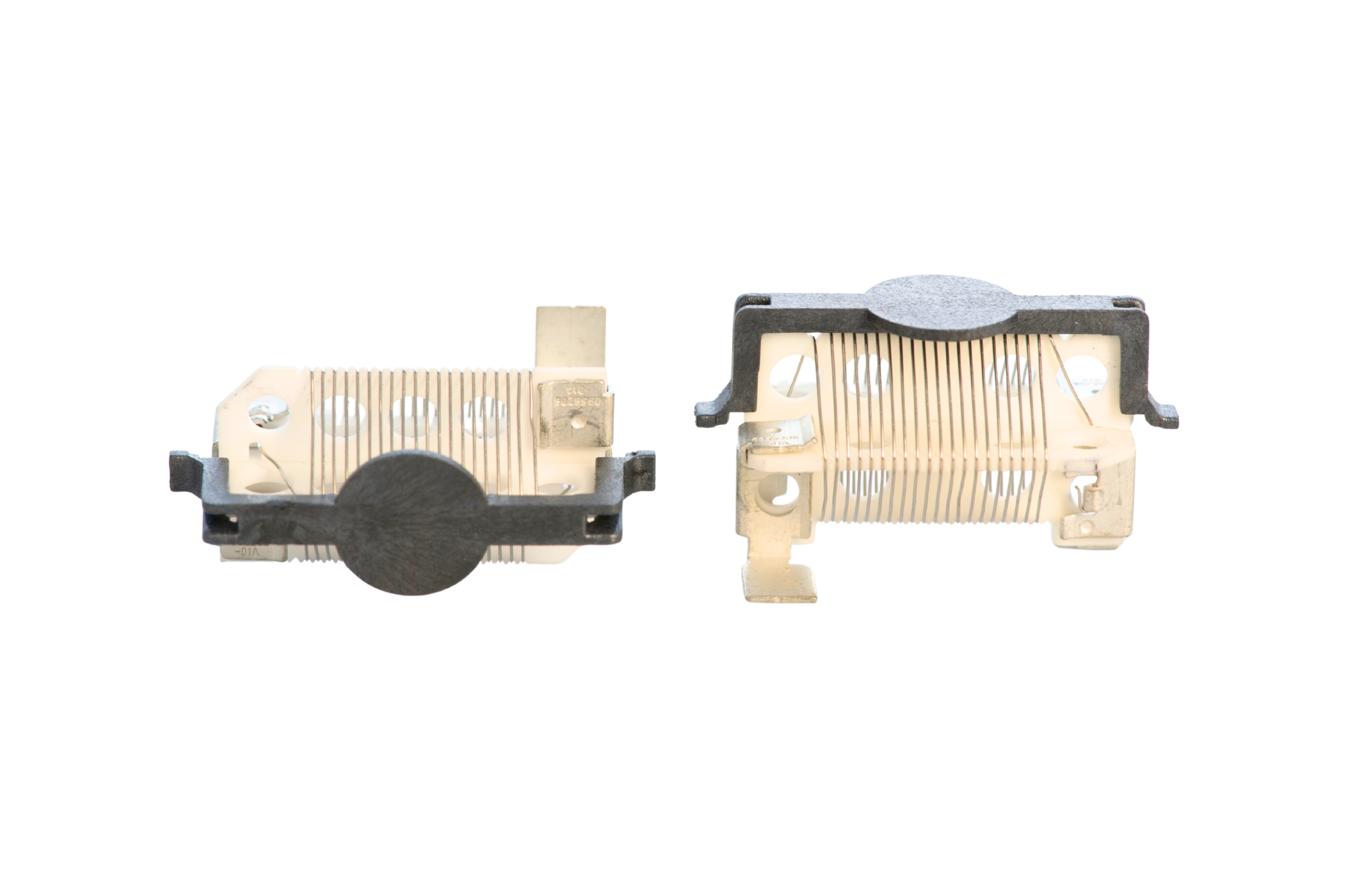
DTI developed a compact heater assembly combining high-precision ceramic castings, pressed and formed metal components with high-temperature polymers. Each material and manufacturing process was selected according to its role within the assembly and the conditions it would experience.
Ceramic components provided the thermal stability required around the heating element, while precision-pressed metal parts provided mechanical strength within the confined geometry. High-temperature polymers were incorporated into the pick-and-place headers, allowing the finished heaters to be handled through Seagate’s automated assembly and reflow soldering processes.
The internal heater geometry was refined to maximise the surface area exposed to the airflow while balancing heat distribution through the assembly. This enabled Seagate to achieve the required thermal input within the available power limit while preserving airflow and avoiding localised hotspots that could affect repeatability during environmental testing.
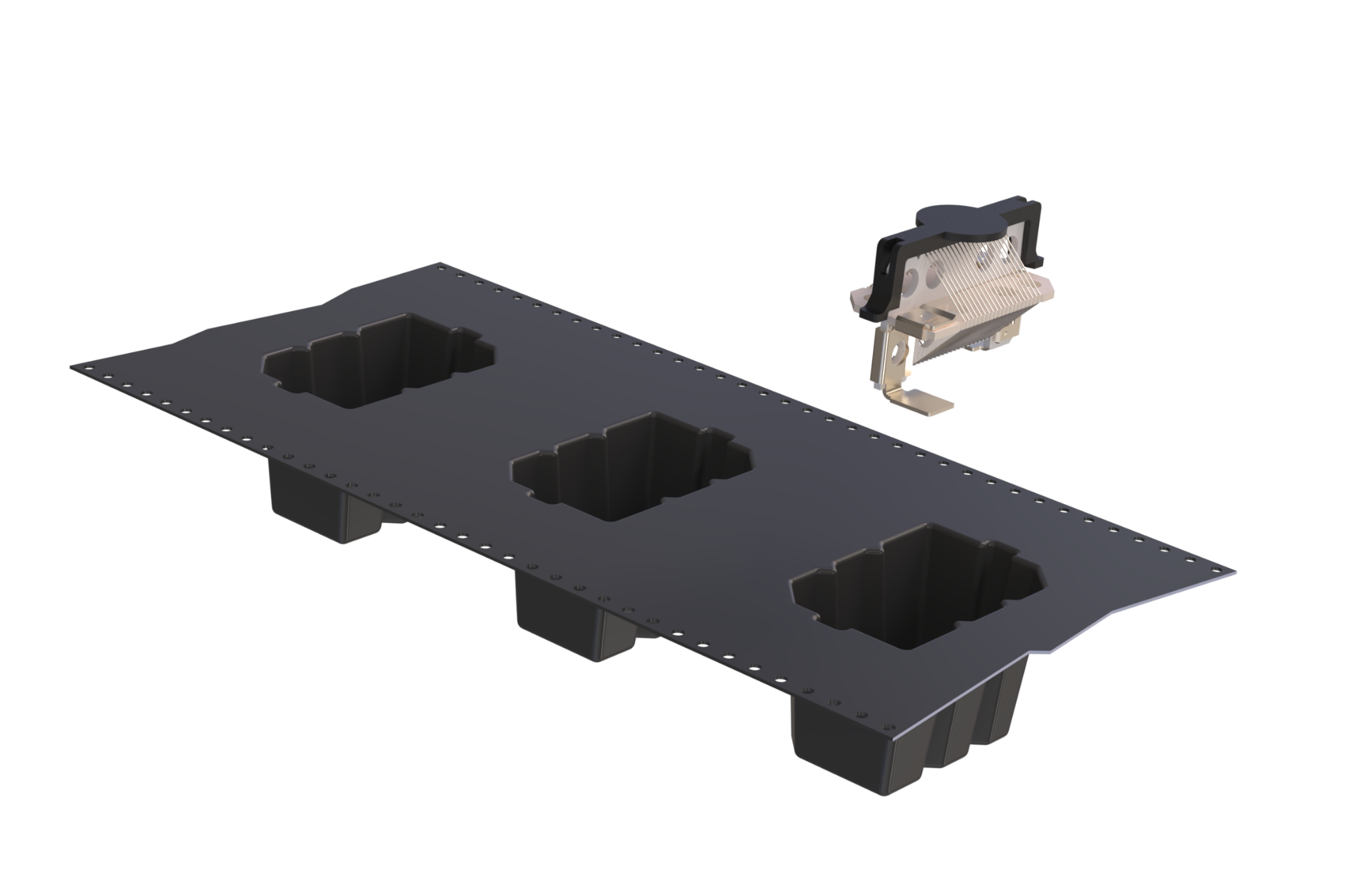
Prototype assemblies were evaluated under operating conditions against the mechanical, electrical and thermal specification. Iterative testing allowed airflow paths, component geometry, material compatibility and assembly methods to be refined before production tooling was commissioned. Input from Seagate’s engineering, production and service teams helped ensure that the design was practical not only in testing, but also during manufacture, integration and long-term use.
Design for Manufacture, Assembly and Testing was incorporated throughout development so that the heater could move efficiently from prototype into sustained volume production. Semi-automated assembly methods were introduced alongside integrated electrical testing, inspection and data logging, providing consistent verification of finished units throughout manufacture.
Packaging was also developed around Seagate’s existing automated production process. Tape-and-reel presentation enabled the heaters to feed directly into the available automatic pick-and-place equipment, avoiding the need for additional handling systems and allowing the component to be introduced without wider changes to established production equipment or workflow.
Outcome:
The completed heater gave Seagate a reliable way to achieve the required environmental test conditions within the original power and space constraints while maintaining the controlled airflow and heat distribution needed for accurate, repeatable product validation.
Because the heater, headers and packaging were developed around Seagate’s existing automated assembly equipment, the component could be introduced without investment in a separate handling process or significant changes to established production infrastructure. This simplified integration and provided a direct route from development into sustained volume manufacture.
The resulting solution also supported reliable continuation of Seagate’s environmental soak testing programme, providing a dependable component for a critical stage of its hard drive validation process while resolving a supply requirement that existing suppliers had been unable to fulfil.
Approximately 200,000 units have now been manufactured, demonstrating consistent quality and reliable performance throughout long-term volume production. The heater remains in production, giving Seagate a proven and dependable long-term supply solution.
Together, the thermal performance, production compatibility and manufacturing reliability provide Seagate with a stable production solution that supports consistent environmental testing without disrupting its established manufacturing infrastructure.
Get in touch today to discuss your next project
Whether you have a question, require more information, or want to discuss a potential project, our expert engineering and operations teams are on hand to help you.
We look forward to hearing from you and collaborating on innovative solutions for your business.
"*" indicates required fields