
How do you turn a demanding operational requirement into defence equipment that performs reliably, can be manufactured consistently and remains supportable throughout its service life?
That is the real manufacturing question behind a new defence product. And the answer rarely sits within one component or one production process.
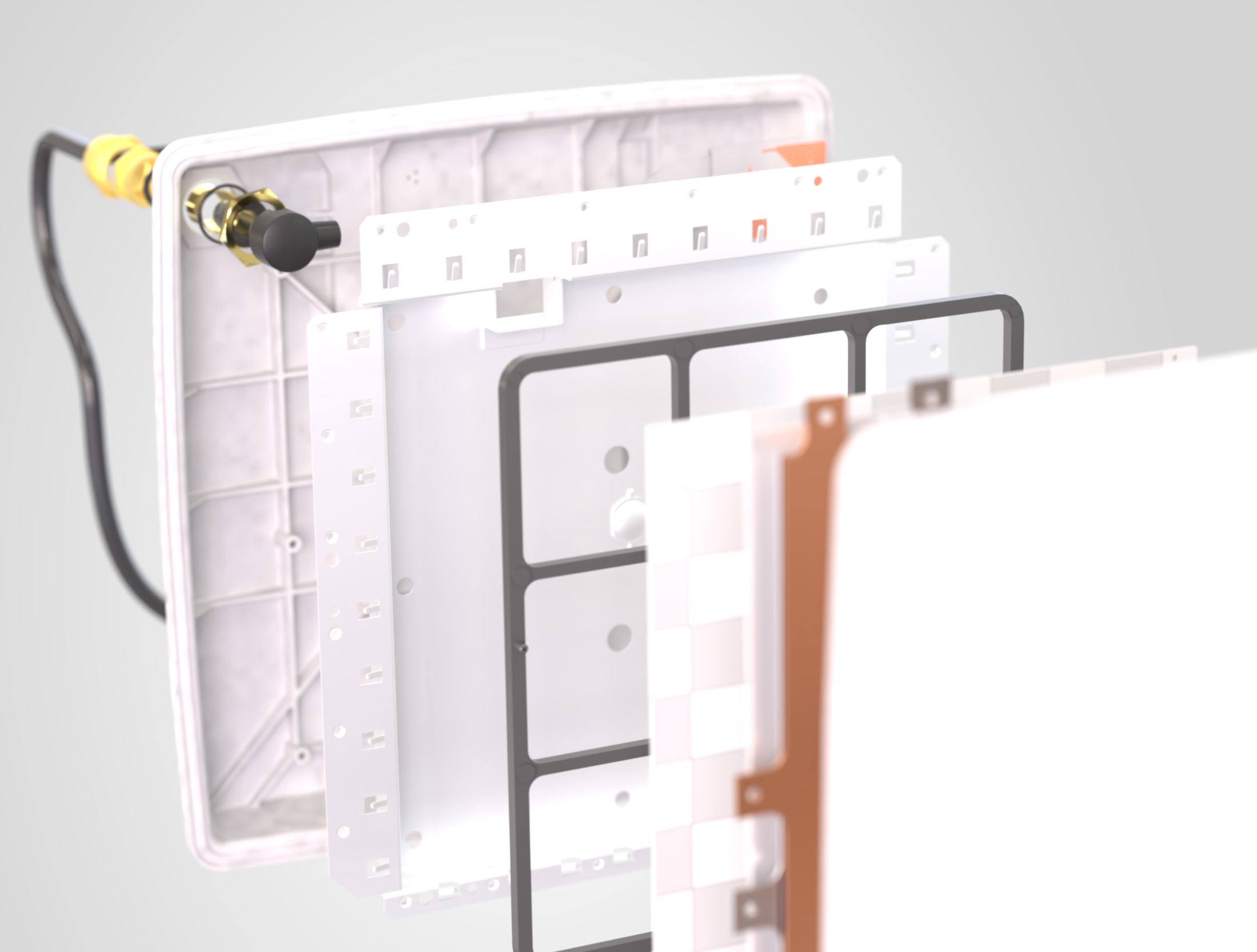
A casing may need to protect radar or sensitive electronics without affecting their operation. Seals, fixings and connectors must maintain that protection. Cables need to withstand movement and repeated handling. The complete assembly has to fit its installation, work for the operator and be practical to inspect, maintain and reproduce.
A manufacturing partner helps by bringing those requirements into the same engineering discussion. Materials, component design, manufacturing processes, assembly, testing and supply are all considered together, while there is still time to make informed choices.
For the client, that means clearer decisions before tooling, fewer unresolved interfaces during assembly and a more dependable route into production.
Engineering the Requirement Before Defining the Solution
A defence manufacturing brief needs to not only describe the product’s intended function, but also where the equipment will be stored, transported, installed and operated, who will use it and how it will be serviced.
These details turn broad terms such as rugged, lightweight or weather-resistant into requirements that can be designed and verified.
And the priorities change with the operating environment.
Equipment used on land may need to cope with impact, abrasion, dust, mud, rain, fuels and oils, while remaining balanced and usable with gloves.
Marine equipment must tolerate saltwater, condensation, UV exposure and changing temperatures over time.
Airborne applications place particular emphasis on mass, stiffness, vibration, secure fastening and the use of limited installation space.
The value lies in discussing these conditions early in the development process.
Because defence equipment doesn’t exist in a vacuum; its environment not only shapes purposeful engineering decisions, but it can also impact its longevity under such demanding conditions.
As a result of considering the end product and its real-world challenges, teams can then identify which surfaces need protection, where water or contamination could enter, which features affect the operator and what level of control is needed at critical interfaces. This also enables testing to reflect the equipment’s real duty cycle, instead of relying on a generic idea of environmental performance.
Coordinating Materials, Components and Manufacturing Processes
A defence product does not usually fit neatly into one manufacturing process.
It may bring together plastic mouldings, machined or fabricated metalwork, seals, custom cables, connectors, finishes and bought-in electronic components. Each may be suitable on its own, yet the product will only work if the interfaces between them have been resolved.
This is where coordinated manufacturing input becomes valuable.
Material choice can be considered alongside moulding behaviour, machining, sealing and the technology inside the enclosure.
Tolerances can be reviewed across the full assembly, as opposed to one drawing at a time.
Cable routes, connector support and access for fastening or inspection can be checked before they become production-floor problems.
The discussion also gives procurement and programme teams a clearer commercial picture. They can see which parts require tooling, where specialist processes or long-lead components are involved, how order quantities may affect the chosen route and which suppliers will need to remain available as the programme develops.
Coordinated manufacturing in practice
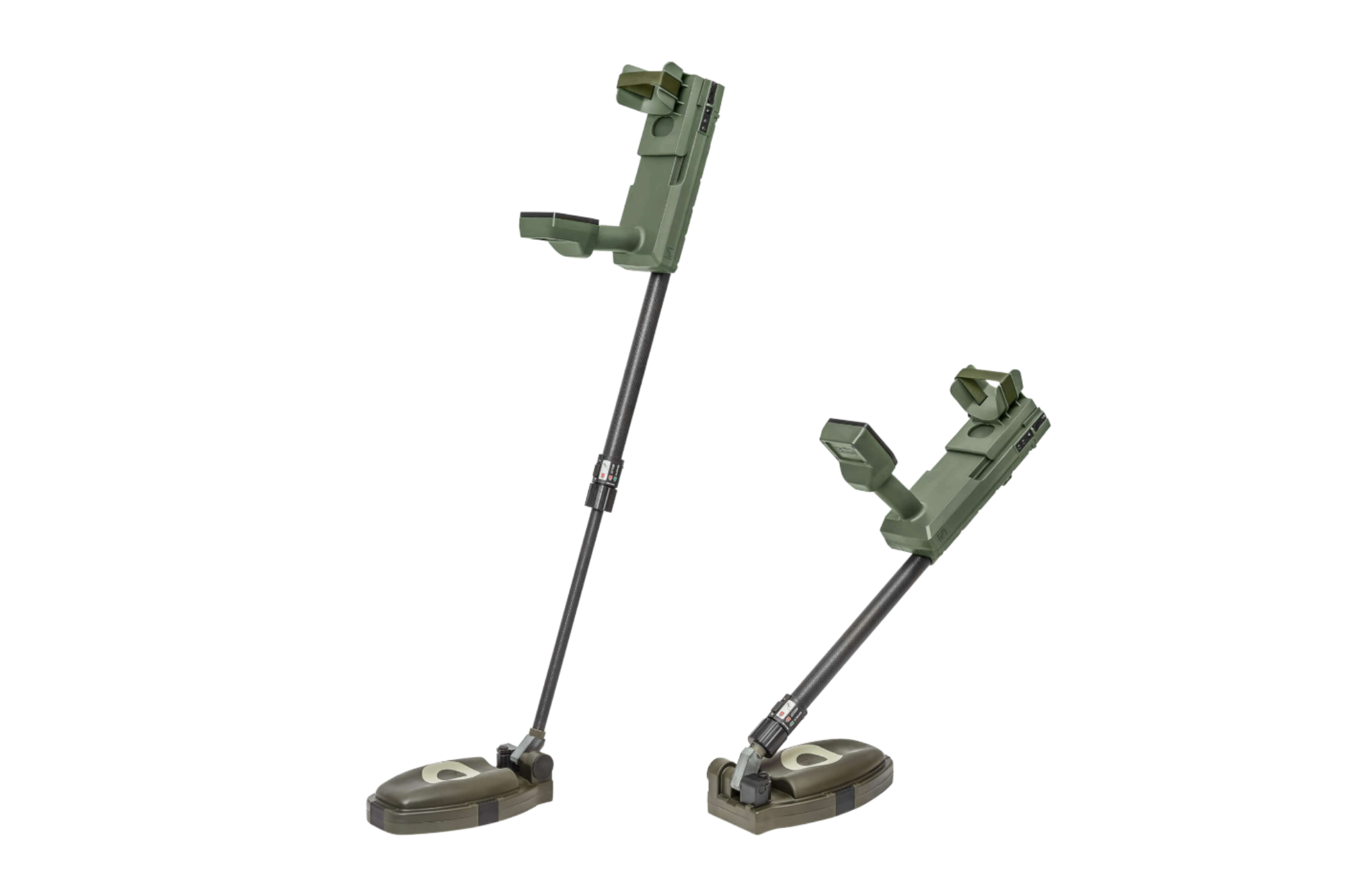
The MINEHOUND dual-sensor detector developed with ERA and Cobham Technical Services is a good example of why these interactions matter.
The system combined pulse-induction metal detection with ground-penetrating radar.
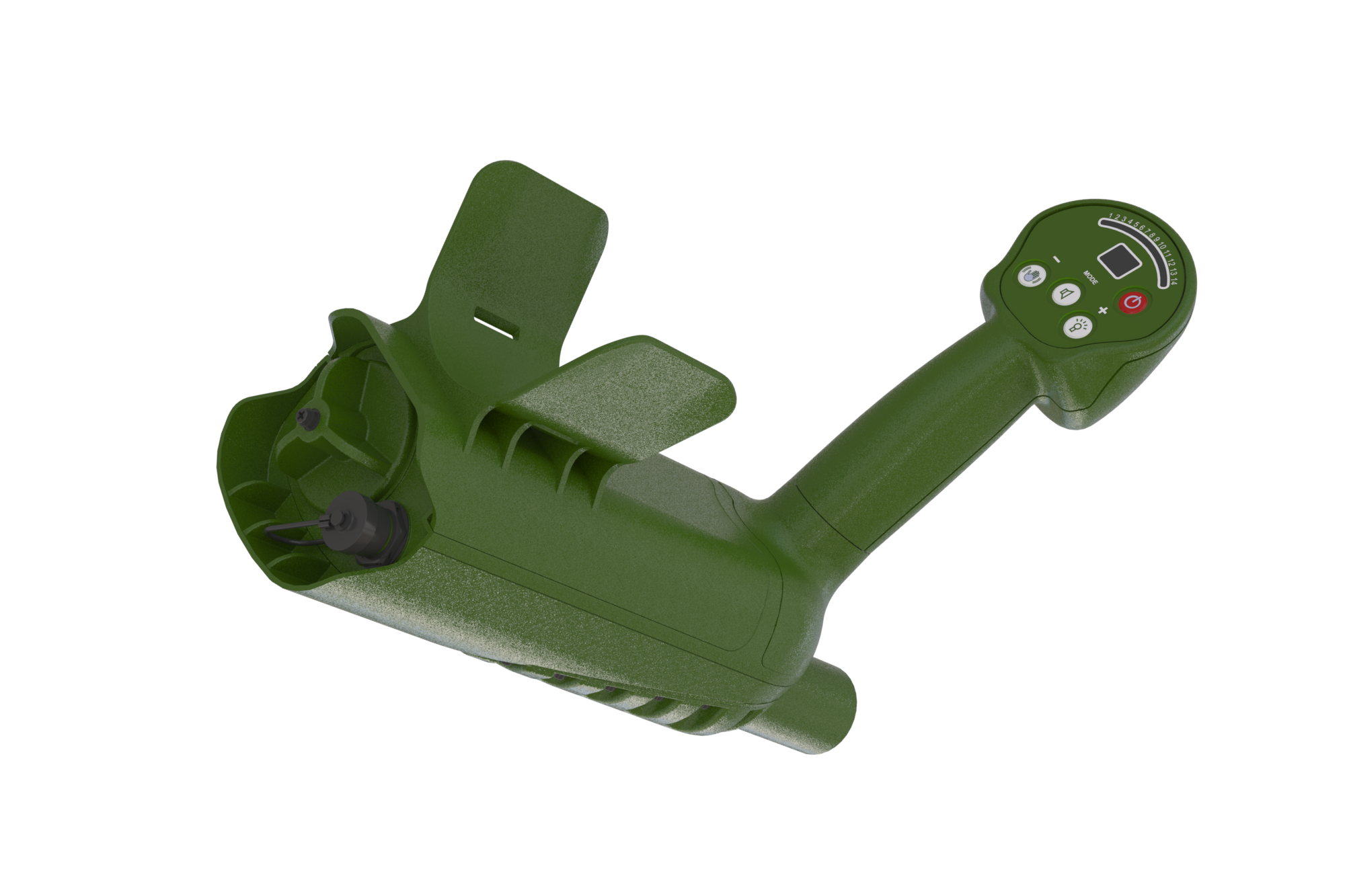
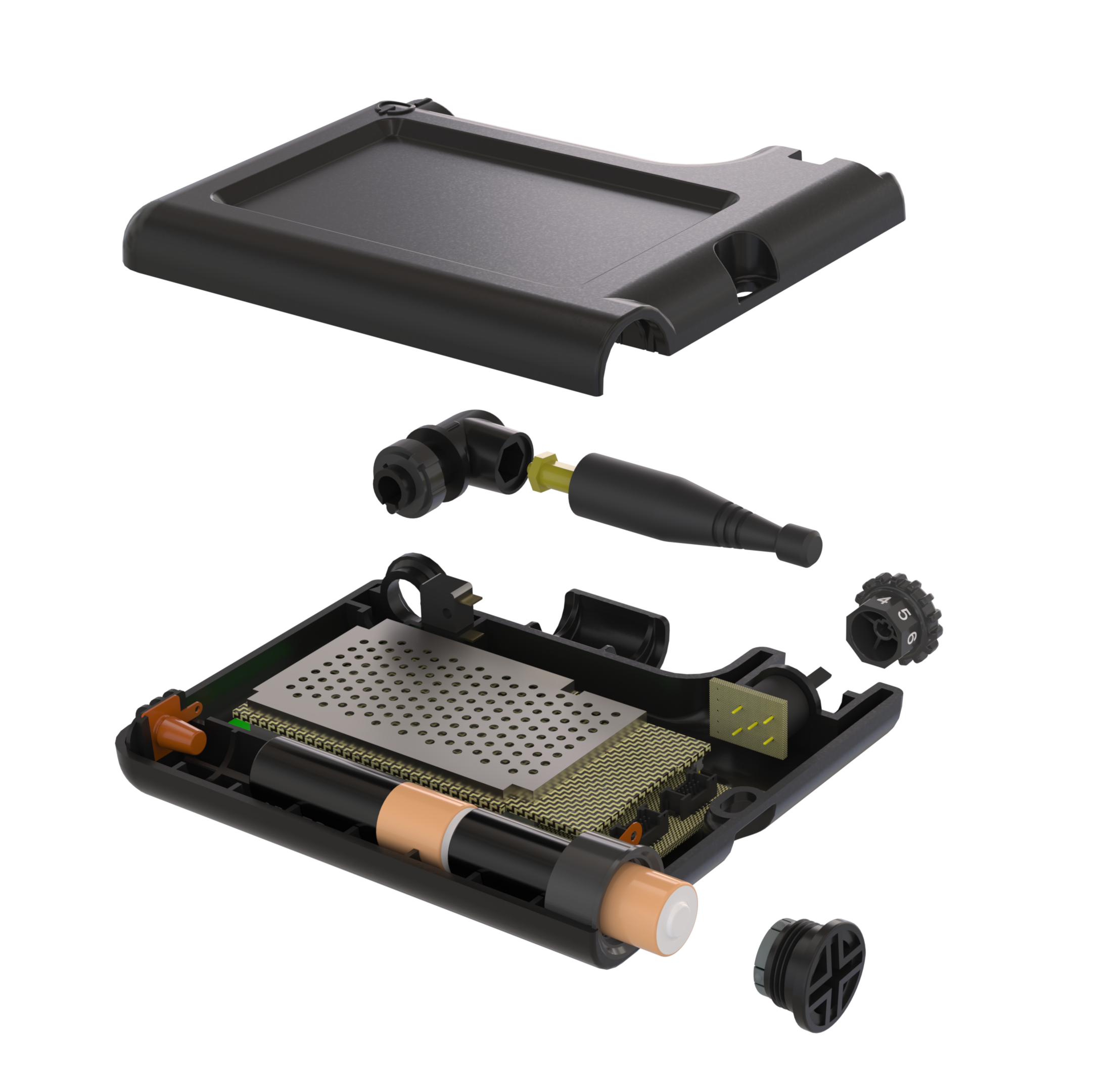
DTI developed the detector head, main body enclosure and supporting mechanical architecture around the electronics, including the adjustable carbon-fibre handle, arm support, control interface and rear connectors.
The polymer formulation needed particular careful assessment to avoid metallic or conductive content within an additive affecting sensor performance.
The same design also had to provide sealing, stiffness and impact resistance while remaining balanced and practical for the operator.
Treating those requirements as one engineering problem allowed six functional units to be produced for field evaluation, giving Cobham representative evidence before its next technical and commercial decision.
Design for Manufacture and Prototyping Before Production Investment
Tooling and production commitments are easier to approve when the important questions have already been answered.
Design for manufacture (DFM) helps identify where process behaviour, normal production variation or assembly sequence could affect performance. Prototyping then provides evidence at the level needed for the next decision.
An early model may be enough to assess size, access or handling. A mechanical build can resolve tolerance stacks, fastening and assembly sequence. A representative functional system can bring the enclosure, electronics, sensors, connectors and cables together for environmental and user evaluation.
Each build should answer the questions relevant to that stage, giving the programme useful evidence before more money and time are committed.
A useful development and manufacturing plan will normally make the following clear:
- What the build needs to prove, so the prototype is matched to a defined technical or commercial decision.
- Which features are critical to performance, so they can be controlled through drawings, tooling, inspection and testing.
- What remains open, so engineering, procurement and programme teams understand the work still required.
- What the next investment achieves, whether that is further verification, production tooling or an approved manufacturing process.
This is especially useful for government-funded or grant-supported programmes, where recorded objectives, findings and approval points help demonstrate what each phase of expenditure has delivered.
Validating Defence Equipment for Real Operating Conditions
Verification should follow the way the equipment will actually be used.
Depending on the application, that may mean assessing impact, vibration, ingress, corrosion, UV exposure, thermal cycling, connector retention or repeated handling.
The purpose is to establish whether the complete assembly continues to perform, not simply whether an individual component survives a test.
For McMurdo Marine’s bridge-mounted navigation equipment, the casing, sealing system, mounting points and grips were developed as one assembly for prolonged exposure to saltwater, condensation, UV and temperature change.
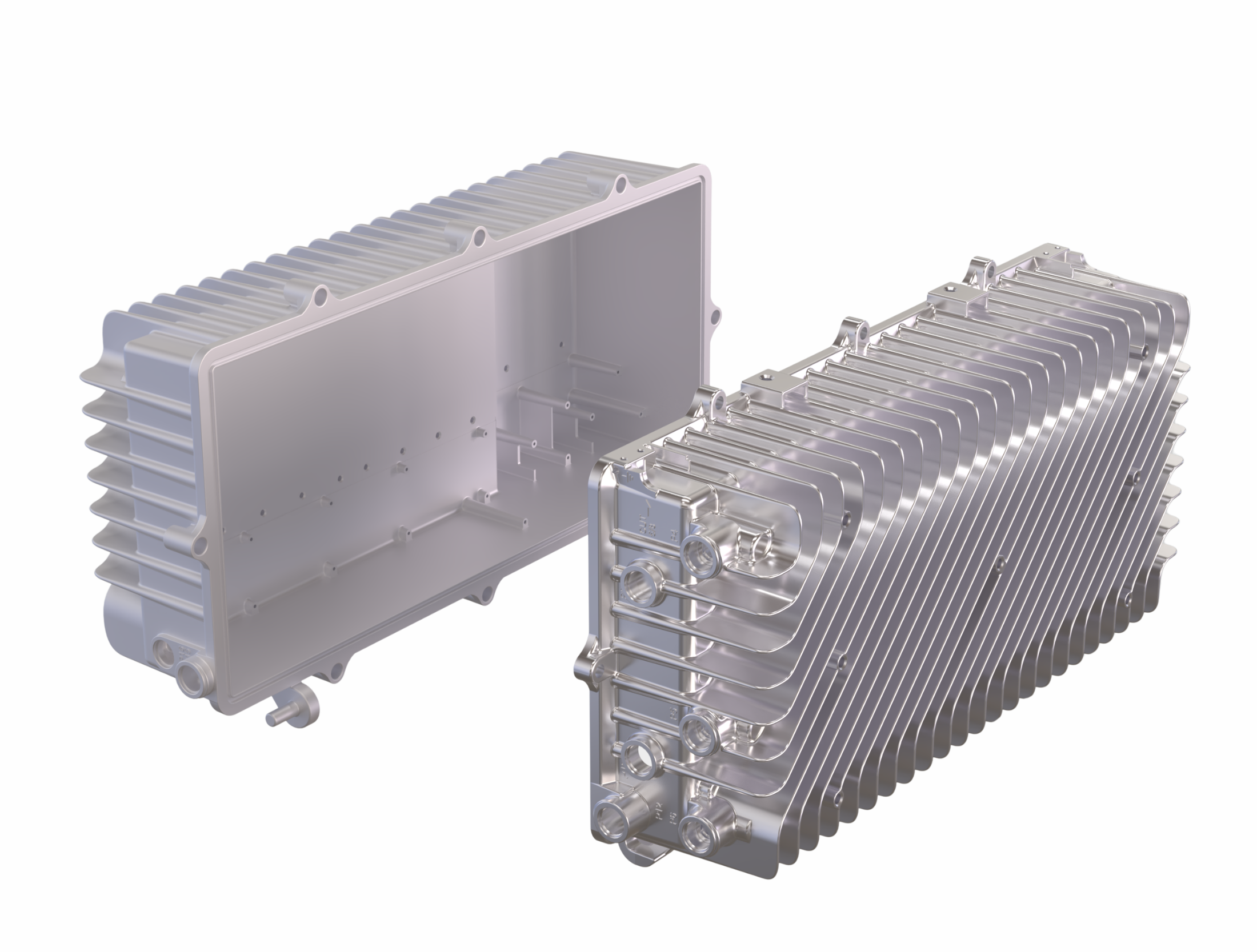
Components containing the tightest tolerances and critical sealing features were machined from solid material. The grips were injection moulded to provide durable, comfortable handling and repeatable future supply, while double-lip gaskets and controlled compression channels supported consistent sealing.
Small initial batches allowed McMurdo to assess fit, installation and handling before production tooling was commissioned. Accelerated UV exposure, salt-spray simulation and repeated thermal cycling added evidence against the intended marine conditions.
The result was a validated assembly and a clearer basis for tooling, production control and ongoing manufacture.
Protecting Design Data and Maintaining Production Control
Once a design is approved, the engineering intent has to remain intact as information moves between the client, manufacturer and supply chain.
An NDA establishes the formal position for sensitive designs and commercially confidential information. Controlled access, approved revisions and clear authority for design, material or process changes provide the practical discipline behind it.
At DTI, we are Cyber Essentials certified. This certification provides a recognised baseline protection against common cyber threats and enables us to meet a requirement applied to certain government and defence tender opportunities. Its quality management systems are certified to ISO 9001 and ISO 13485, supporting supplier management, inspection, traceability, testing and change control.
Drawings, bills of materials, approved sources, work instructions, inspection plans and test procedures then carry the product definition into repeat manufacture.
This matters because a successful first build is only part of the requirement. The client also needs confidence that later units will be made from the correct revision, with the right materials and controls, and that any proposed change will be assessed before it reaches production.
Planning for Long Term Defence Manufacturing and Supply
Defence equipment may remain in service for many years, often at low or changing volumes.
A manufacturing route therefore needs to account for tooling ownership, minimum order quantities, long-lead items, component availability, obsolescence and alternative sources. Those decisions affect both immediate cost and the programme’s ability to obtain compatible products or spares later.
Retaining the original requirements and verification evidence makes future change easier to manage. If a material becomes unavailable or a second source is needed, the proposed replacement can be assessed against form, fit, function, environmental performance and expected service life.
The programme keeps a controlled route forward rather than having to reconstruct earlier engineering decisions.
A capable defence manufacturing partner keeps the operational requirement connected to the decisions made during development and production. Materials, processes, evidence, investment and long-term supply remain part of the same programme rather than becoming separate problems for the client to reconcile.
Developing a product or reviewing an existing manufacturing route? Discuss your defence manufacturing requirements.
At DTI, we support defence product development from early feasibility and design for manufacture through prototyping, materials, testing, tooling and controlled production.
Speak to our engineering team today to discuss your operational requirements, eliminate manufacturing risk early, and establish a clear route to production.
Get in touch today to discuss your next project
Whether you have a question, require more information, or want to discuss a potential project, our expert engineering and operations teams are on hand to help you.
We look forward to hearing from you and collaborating on innovative solutions for your business.
"*" indicates required fields