
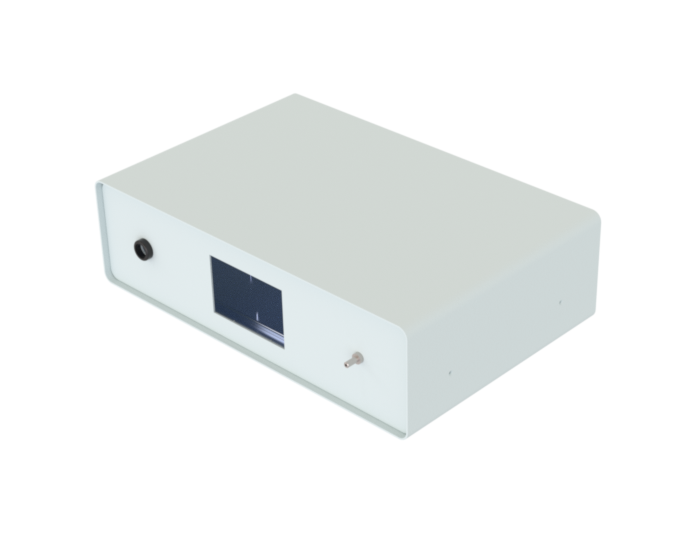
When an existing product or component almost meets your requirements, modifying it can seem like the logical choice. It may involve less upfront investment, shorten development time and provide a relatively straightforward route to production.
But “almost” can become expensive.
A component that is slightly too large, heavier than necessary, difficult to assemble or poorly suited to its operating environment can introduce compromises elsewhere in a product. It can also increase manufacturing costs through secondary machining, additional fixings, longer assembly times or greater supply chain vulnerability.
Over time, these compromises can affect performance, reliability, overall production costs and even the ability to differentiate the finished product from competitors.
This is where custom product development can offer a different approach.
Rather than designing around the limitations of an existing solution, a custom product is engineered around the specific problems it needs to solve. While that usually requires greater investment during development, the result can deliver considerably greater commercial value throughout its lifecycle.
So, when is custom product development worth the investment?
What Is Custom Product Development?
Custom product development is the process of designing and engineering a physical product or component around specific functional, mechanical, commercial, environmental and operational requirements.
Instead of combining available components and adapting the design around their limitations, engineers can optimise the product for its intended application. This can include everything from material selection, geometry and weight to manufacturing processes, assembly, aesthetics and expected production volumes.
Importantly, custom development doesn’t mean reinventing every element of a product.
Standard components still have an important role where they offer the right performance and commercial advantages.
If a proven standard component meets the technical, commercial and supply requirements, there is little value in redesigning it simply for the sake of having a bespoke solution. The engineering value lies in knowing where customisation genuinely solves a problem or removes a constraint.
The objective is to determine where existing technology works and where a bespoke solution will create meaningful value.
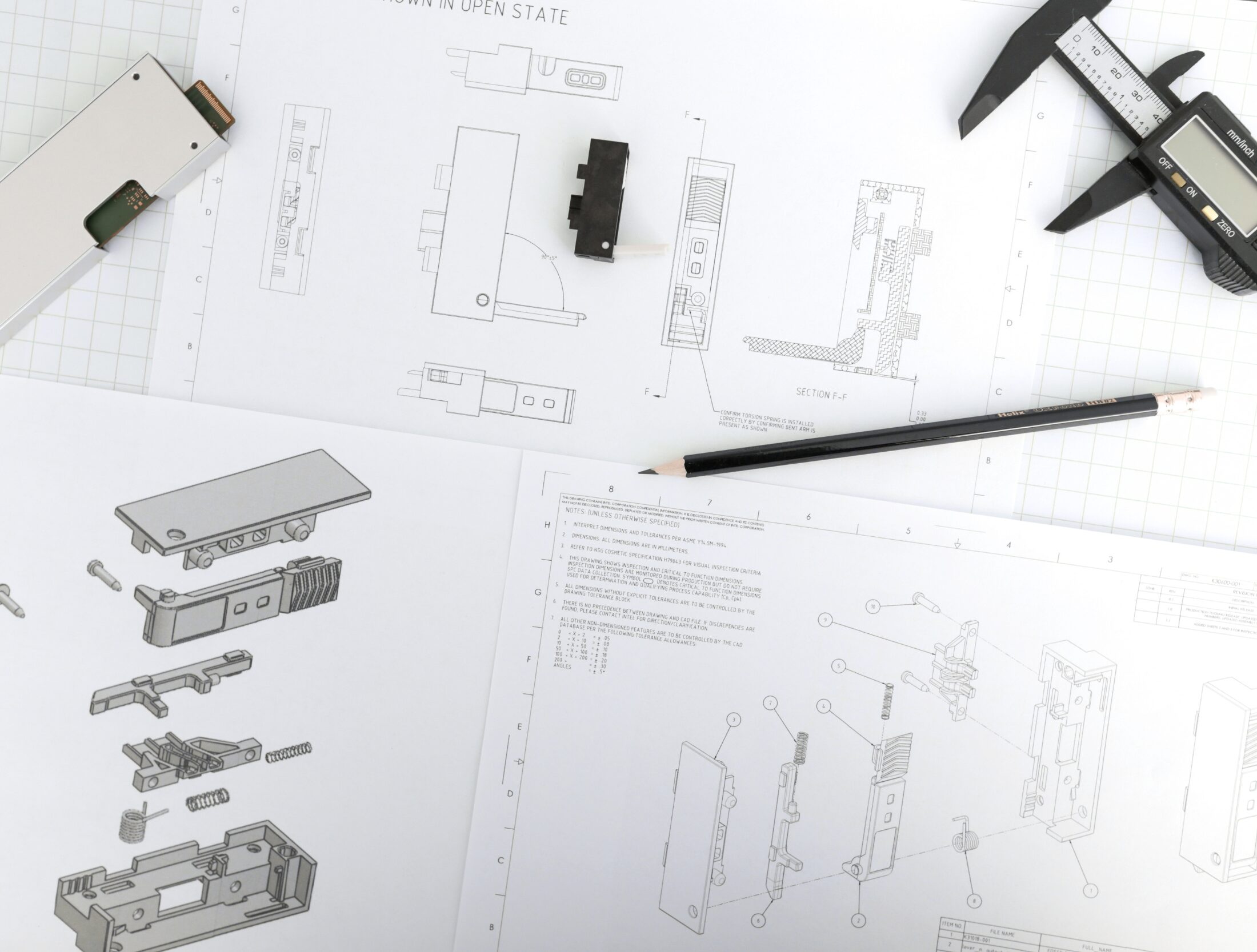
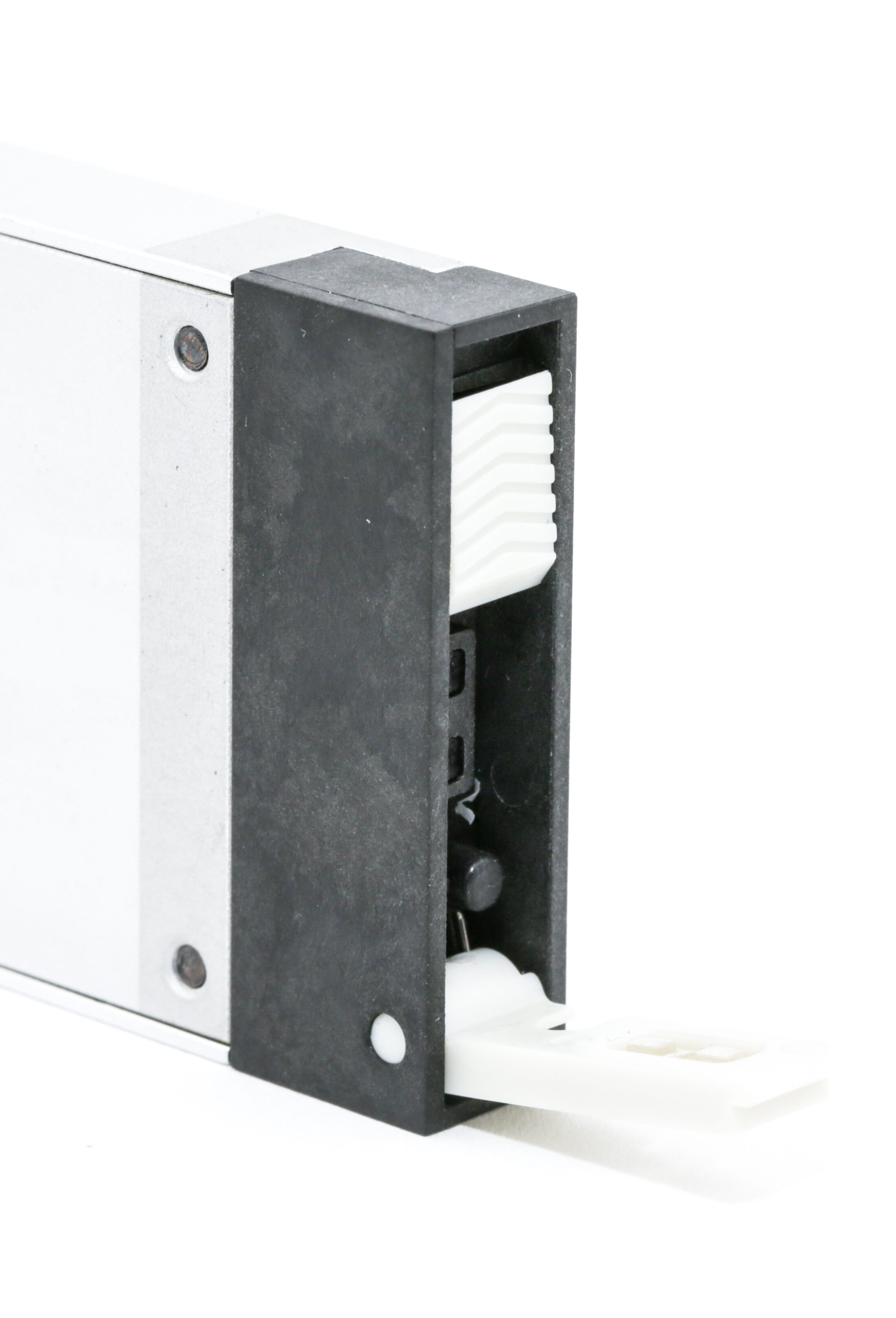
Custom Product Development vs. Modifying an Existing Product
There are many situations where an off-the-shelf product or modified existing design is the right choice.
An example: for very low production volumes, the cost of dedicated tooling may be difficult to justify. Similarly, an extremely short launch window might make immediate component availability more important than achieving an optimised design. Generic elements such as standard fasteners and basic connectors rarely need to be developed from scratch either.
Problems arise when an existing solution requires increasingly significant compromises.
A standard component might not fit the available space. It may fail to meet weight, thermal or environmental requirements. It could make assembly unnecessarily complex or introduce a weak point that affects reliability.
These compromises can have knock-on effects. Making one component fit may require another part to change, add fixings, restrict access for assembly or servicing, or force a material or manufacturing decision elsewhere. Individually those changes may appear minor, but together they can make the finished product more complex and expensive to manufacture.
There are commercial considerations too. If several competitors have access to the same components, there may be limited opportunity for meaningful product differentiation.
Dependence on an existing component can also create longer-term supply chain risk. A readily available part may later be subject to higher prices or longer lead times, or a supplier may change its specification or discontinue it. Where a custom solution is justified, ownership of the tooling and IP can give a business greater control over product continuity and future changes.
In these situations, the apparent savings made by choosing an existing solution can result in additional costs and constraints elsewhere.
Where Does the Return on Custom Product Development Come From?
The cost of custom development is easiest to understand when considered across the complete product lifecycle rather than solely as an upfront engineering expense.
There are several areas where that investment can generate value.
Improved product performance
When a product is designed specifically for an application, its geometry, materials, weight and other characteristics can be optimised around its actual requirements.
This becomes particularly important in applications involving tight space constraints, demanding operating environments, specific thermal requirements or repeated mechanical loads.
Reliability can also be engineered around the product’s real operating conditions and duty cycle rather than the specifications of a generic component designed to serve many different applications.
Greater competitive differentiation
If your competitors can purchase exactly the same component, that component offers limited competitive advantage.
Custom engineering provides an opportunity to develop unique functionality, packaging, aesthetics or performance characteristics that are specific to the finished product.
It can also provide greater control over intellectual property. A proprietary product or component can become an asset in its own right, helping protect differentiation while adding value to the wider business.
Lower lifetime manufacturing costs
A bespoke product may require greater upfront engineering and tooling investment, but this doesn’t necessarily make it more expensive over its lifetime.
Designing specifically for manufacture can reduce component counts, make assembly more efficient and reduce failure rates.
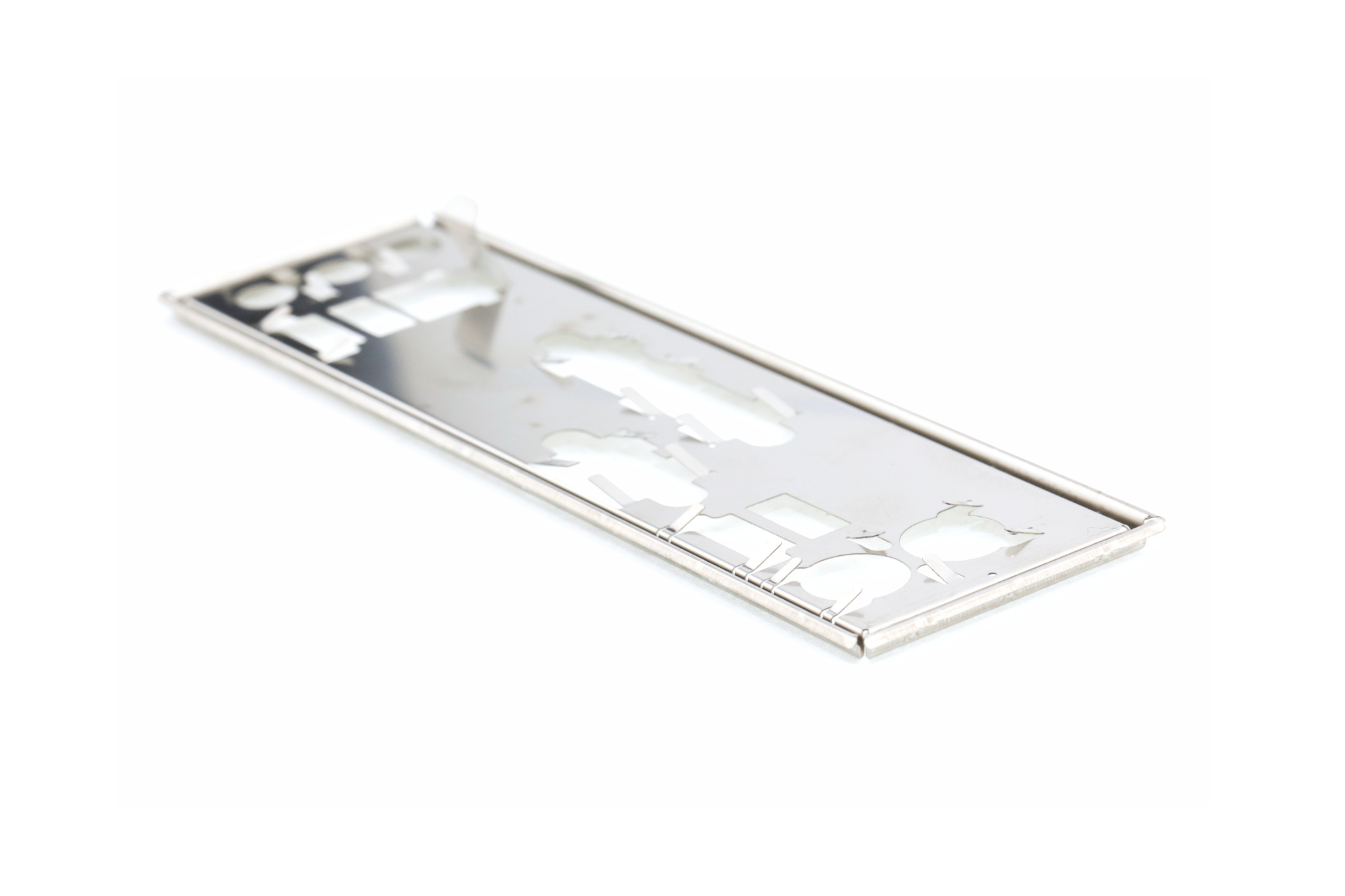
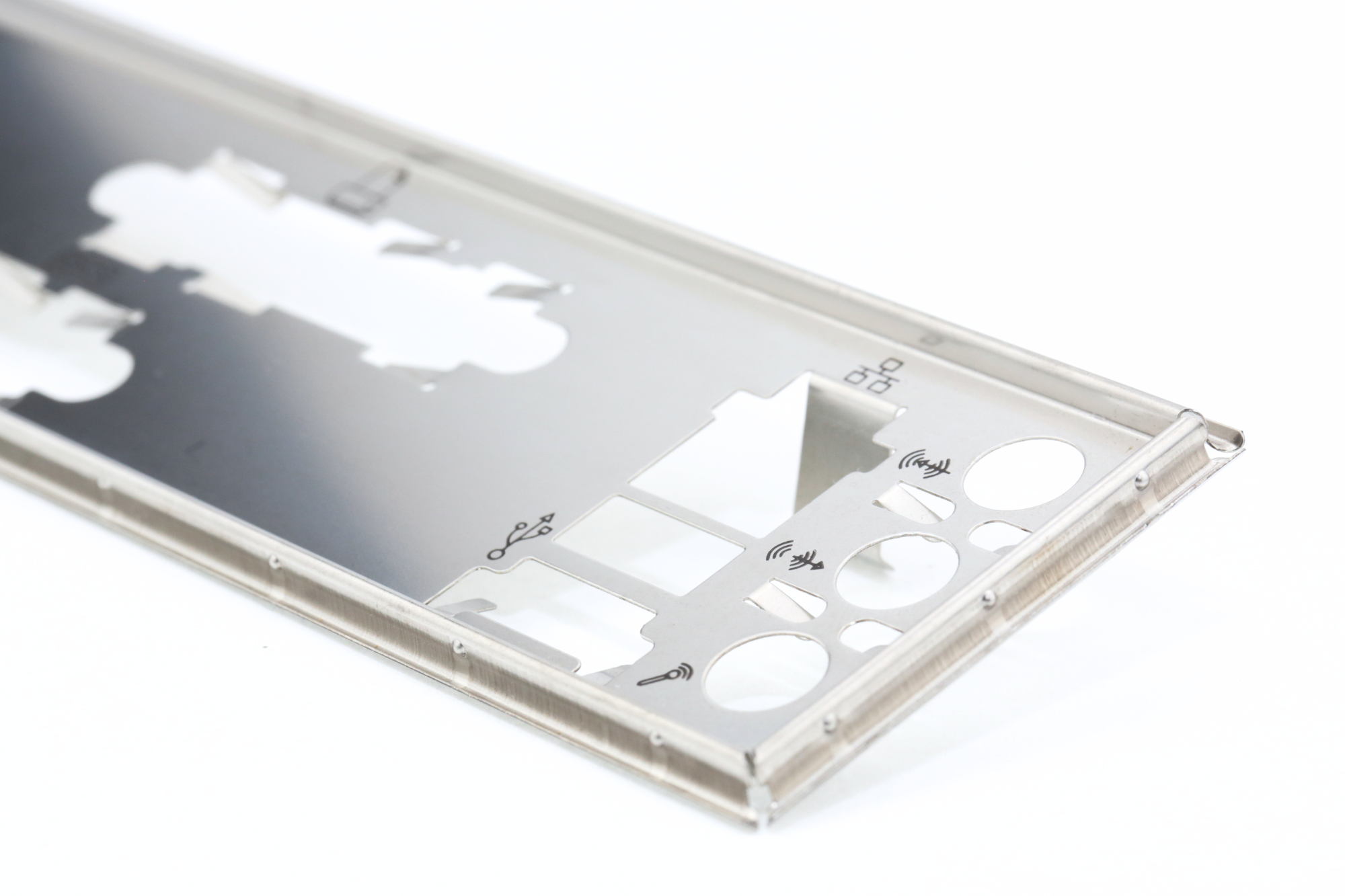
A good example is DTI’s work on a self-retaining I/O shield for high-volume PC manufacture. By integrating retention and RF contact features into the pressed component, the design reduced separate parts and assembly complexity while supporting multiple configurations.
This is why focusing on piece-part price alone can be misleading.
The more useful question is therefore not simply what an individual component costs, but what the complete product will cost to manufacture, assemble, package, distribute and support across its expected production life.
A more expensive engineering decision today can create savings across thousands – or tens of thousands – of units later.
Designing for the Product You Will Need Tomorrow
One of the less obvious advantages of custom product development is the ability to consider future requirements before they become expensive redesign projects.
A product doesn’t have to be engineered solely around its first release.
For example, a core chassis or housing can be developed using a modular platform architecture that allows internal components or accessories to be easily replaced. Products can also be designed with technical headroom for future upgrades, such as additional PCB mounting space or provision for sensor integration. At the manufacturing level, scalable tooling strategies such as modular mould inserts can make it possible to produce multiple variants without investing in completely separate tooling for each version.
This is particularly relevant to DTI’s work on established products. Our partnership with Bedfont Scientific, for example, has involved the redesign and continued development of established medical devices, where the engineering challenge is to evolve a proven product rather than start again.
This creates a platform for product evolution.
Instead of treating the initial engineering investment as the cost of developing one product, businesses can use that work as the foundation for future variants, upgrades and extensions to a product range.
The Biggest Mistake: Focusing Only on Upfront Cost
One of the most common mistakes in product development is choosing the lowest initial quote without examining what that decision could mean further into production.
Because the lowest upfront cost does not necessarily represent the best long-term value.
Poor Design for Manufacture (DFM), for example, may not become apparent until tooling or production begins. At that stage, addressing the problem can mean redesign work, new tooling and delays, which can quickly add up.
Other costs can be equally easy to overlook.
A low-cost component that requires additional assembly operations may ultimately cost more than a component designed to perform several functions.
Likewise, focusing exclusively on manufacturing price can overlook packaging, shipping, tooling maintenance, quality problems and warranty claims.
There is also a cost to complexity. Every additional component can mean another purchasing line, another item to hold in stock, another assembly operation and another interface where a problem can occur. That does not mean reducing part count at any cost, but it is why DTI considers the complete assembly rather than individual component prices in isolation.
Scalability matters too. A design that works perfectly well when producing 100 units may be unsuitable when demand reaches 10,000.
Custom product development should therefore be evaluated in terms of total cost of ownership, not simply the initial cost of engineering and tooling.
Why Early Engineering Decisions Matter
The opportunity to influence cost, performance and manufacturability is greatest at the beginning of product development.
Before deciding exactly what a product should look like, businesses should clearly define the problem it needs to solve, who will use it and which requirements are genuinely critical.
Expected annual production volume, target manufacturing cost, operating conditions and future product plans can all influence engineering decisions.
This is also why Design for Manufacture (DFM) and Design for Assembly (DFA) need to be considered early.
Industrial design and production engineering should not be treated as completely separate activities. And manufacturing shouldn’t only be considered once a design has been finalised.
The manufacturing process, material choice, tooling strategy and assembly requirements can all influence what represents the best design.
The same geometry may be perfectly sensible for machining in low volume but inappropriate for injection moulding at significantly higher volumes.
Likewise, an early prototype material may demonstrate fit or form without representing the material ultimately needed for production. Those distinctions are easier and less expensive to address before the product and tooling have been locked down.
Investing in these decisions early can reduce the risk of expensive re-tooling, production delays and engineering changes later.
What Does the Custom Product Development Process Involve?
At DTI, we approach custom product development with the final manufacturing process in mind from the outset. Our engineers work with clients to understand the commercial objectives alongside the technical specification, so decisions around materials, geometry, tooling and production are considered as part of one coordinated process.
That also means being prepared to challenge the original brief where necessary. A customer may arrive with a preferred material, process or existing component already in mind. DTI’s role is not simply to manufacture what has been specified, but to understand why it has been specified and whether there is a more appropriate route to the required performance, cost and production outcome.
A typical project starts with discovery: understanding the project objectives, the performance specification, expected volumes, target costs and timescales.
From there, engineers can assess feasibility, explore material and manufacturing options and develop initial concepts before progressing into detailed 3D CAD, engineering analysis and DFM/DFA.
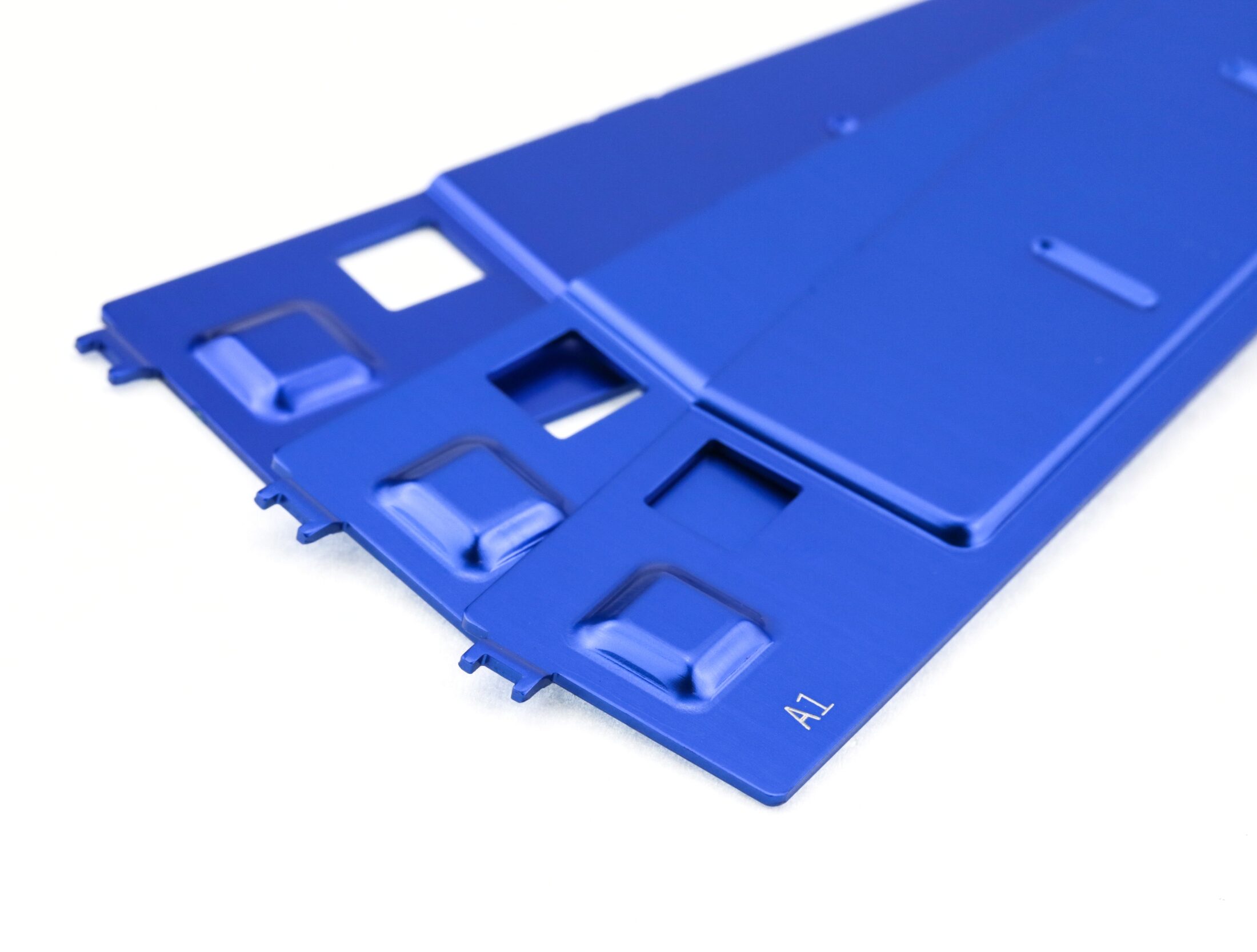
Prototyping provides an opportunity to test those decisions before committing to production tooling. Depending on the application, this may include 3D printing, vacuum casting and functional prototypes for real-world testing.
The prototype should match the question the engineering team is trying to answer, not simply produce a physical model. An early prototype might confirm size or fit; another may be needed to assess assembly or mechanical performance. This allows uncertainty to be removed progressively before committing to production.
Once the design has been validated, tooling can be designed and manufactured, followed by first-off or pilot components for approval. The project can then move into full production with appropriate quality assurance and ongoing manufacturing support.
Bringing these stages together matters because none of these decisions exists in isolation. Each and every choice has a knock-on effect: material choice affects tooling, geometry affects assembly, production volume affects the manufacturing process. And product requirements affect all three.
Treating them as part of one coordinated engineering process helps reduce risk before production begins.
So, Is Custom Product Development Worth the Investment?
Not every product needs to be bespoke; where volumes are very low, requirements are relatively generic, or speed is the overriding priority, an existing solution may offer better commercial value.
But when performance, reliability, differentiation, intellectual property, scalability or long-term manufacturing economics are important, custom product development can become a strategic investment rather than simply an additional engineering cost.
The key is to consider value across the entire lifecycle of the product.
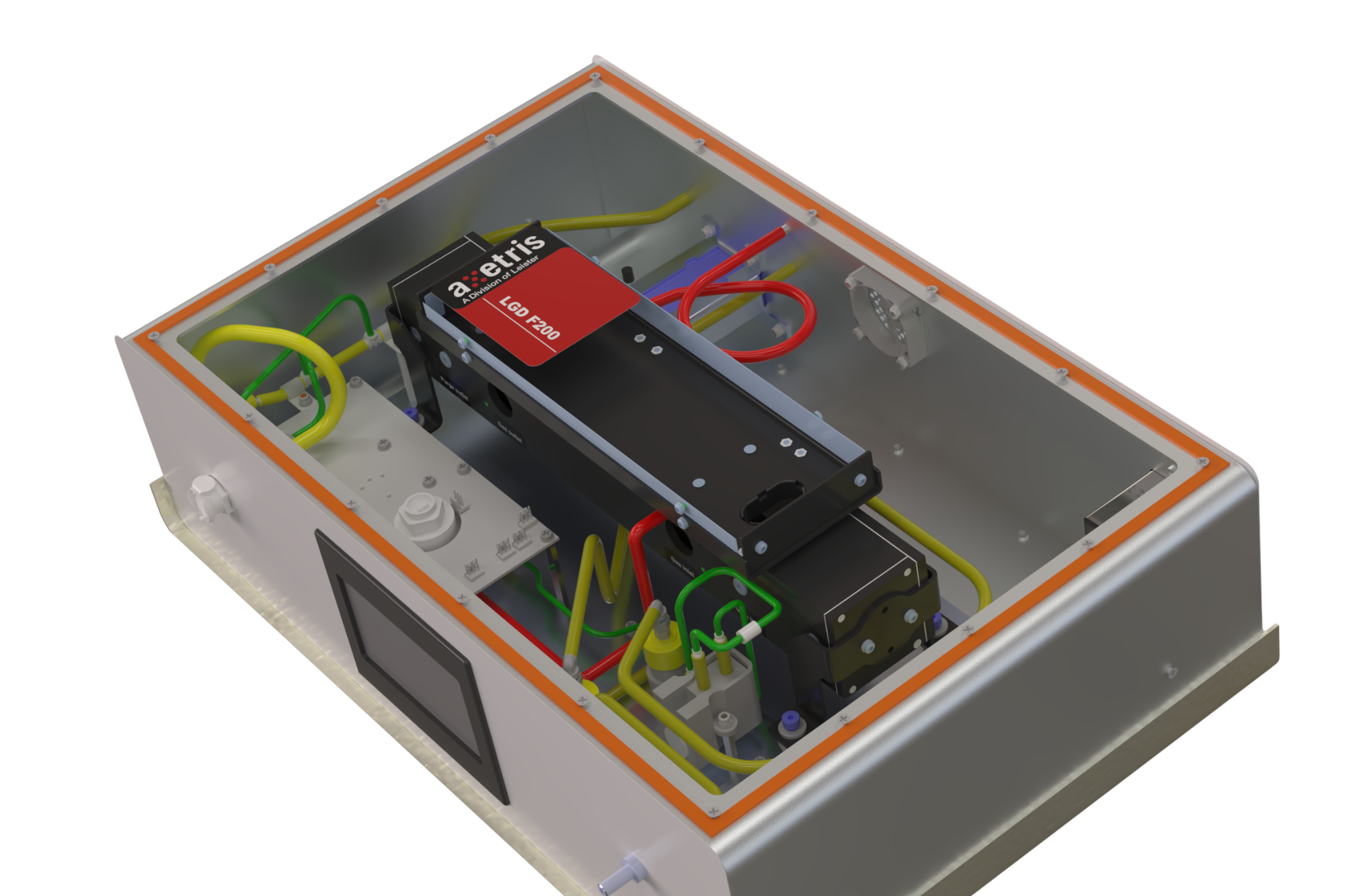
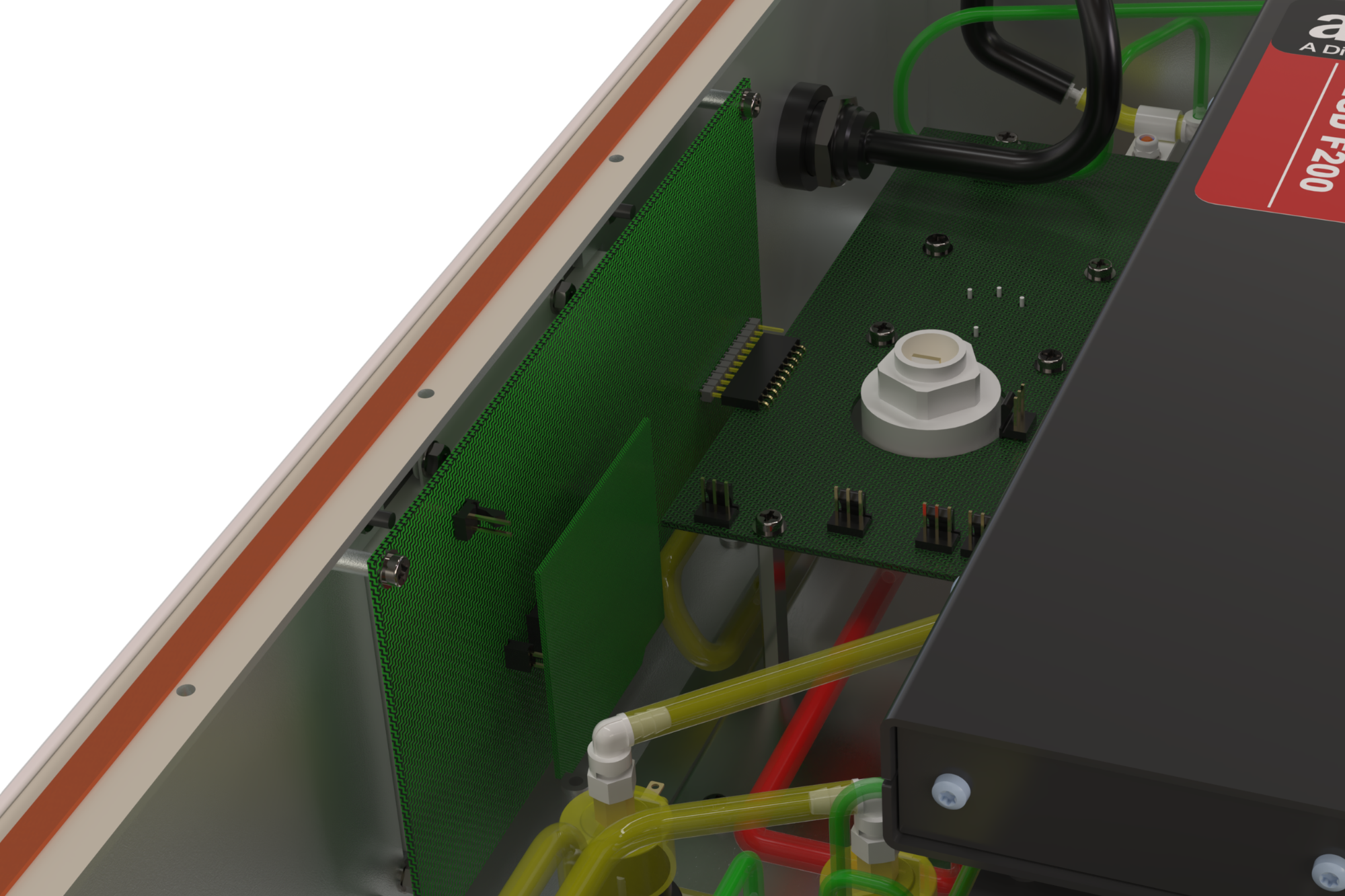
For DTI, the value of custom engineering comes down to the problem it removes. The OCTO interconnection project is a good example: the purpose was not to create a bespoke cable simply because we could, but to address a specific weakness within an established system without requiring unnecessary changes elsewhere. That is where custom development adds value – by applying engineering effort to a genuine technical or commercial problem.
Therefore, the question is not only what custom product development costs today. It is what the engineering decisions made today could be worth across every product manufactured tomorrow.
At Demand Technology International, we work collaboratively with clients from early concepts and prototypes through detailed engineering, tooling and full-scale manufacture. By considering performance, manufacturability, cost and scalability from the outset, we help develop products that are not only engineered to work, but engineered to deliver long-term commercial value.
Considering investing in a custom product?
Get in touch with a member of our team today to discuss your requirements.
Get in touch today to discuss your next project
Whether you have a question, require more information, or want to discuss a potential project, our expert engineering and operations teams are on hand to help you.
We look forward to hearing from you and collaborating on innovative solutions for your business.
"*" indicates required fields