
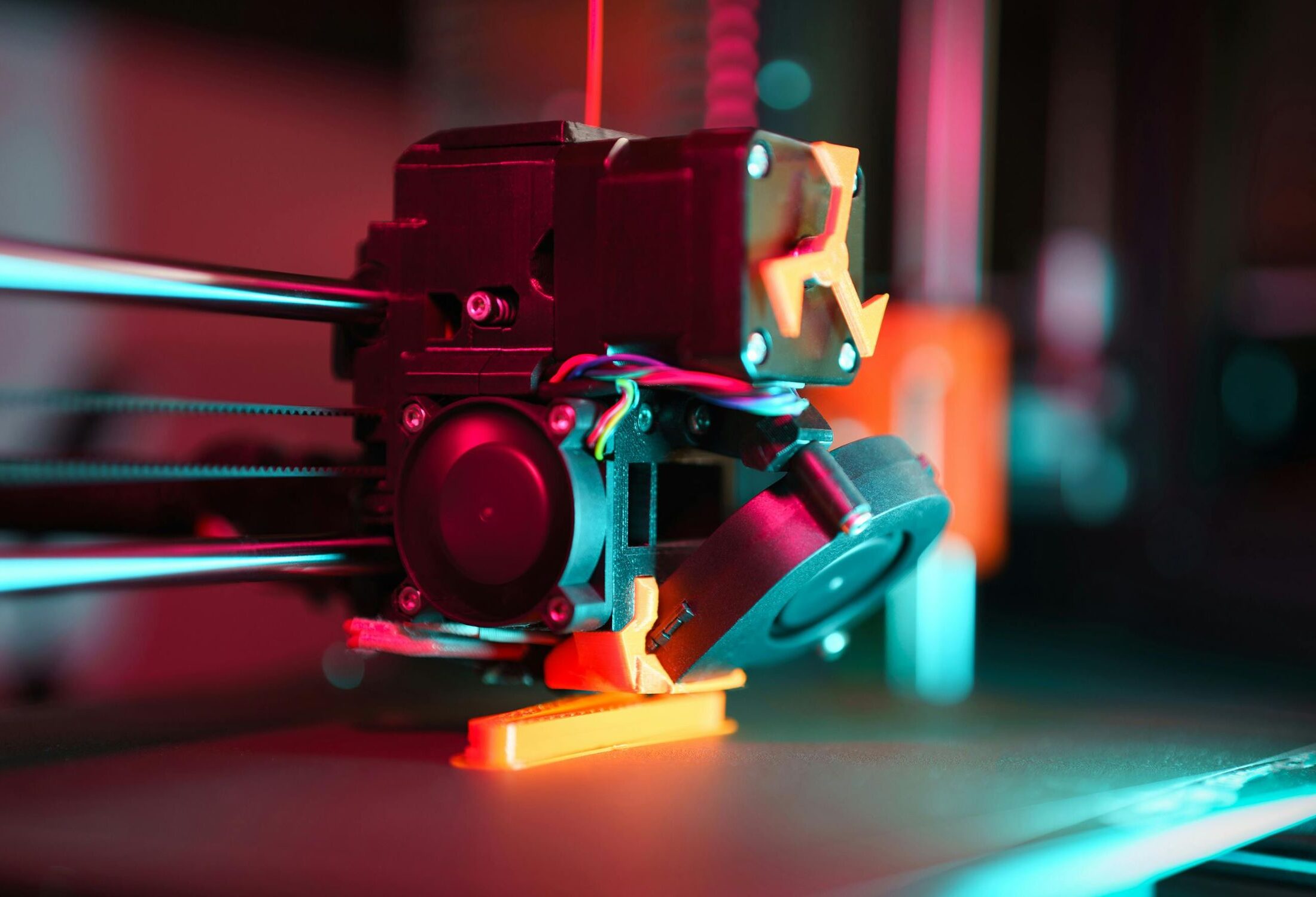
Taking a product from an initial idea to full-scale manufacture is rarely a straight line.
One of the most important stages in that journey is prototype development: the point where designs, calculations and simulations begin to become something physical.
Modern digital design tools have transformed product development, CAD, simulation, rendering and analysis, which enable engineers to understand and refine a design in considerable detail before anything is manufactured.
But there remains a point where a product needs to exist in the physical world.
A prototype gives engineers, designers, manufacturers and other stakeholders the opportunity to handle a product and evaluate characteristics that can be difficult to appreciate fully on a screen.
Weight, size, feel, texture, ergonomics and physical interaction all become tangible.
Because, for products where human interaction matters, that physical experience can reveal things even sophisticated digital modelling cannot fully replicate.
At Demand Technology International (DTI), we have supported prototype development across a wide range of industries, markets and technically challenging applications.
One lesson consistently holds true: a successful prototype is an important milestone, but it does not automatically mean a product is ready for production.
Understanding that distinction, and planning early for it, can prevent costly redesigns, manufacturing delays and quality problems later in a project.
What Should a Prototype Actually Prove?
Before deciding how to manufacture a prototype, it’s worth asking a fundamental question:
What do we need this prototype to prove?
There isn’t one universal purpose for a prototype; its role depends on the stage of development and the questions that need answering.
An early prototype might simply allow a design team to assess size, form or basic ergonomics. A relatively quick and cost-effective 3D-printed model could be entirely appropriate for conversations around concept, marketing, packaging or user interaction.
A prototype intended for engineering verification has a different job.
If the objective is to evaluate structural performance, material behaviour, tolerances, or regulatory requirements, the prototype may need to represent the intended production product much more closely.
Before moving towards production, prototypes may be used to evaluate areas including:
- Product performance against the technical specification
- Dimensions, weight, ergonomics and usability
- Material performance
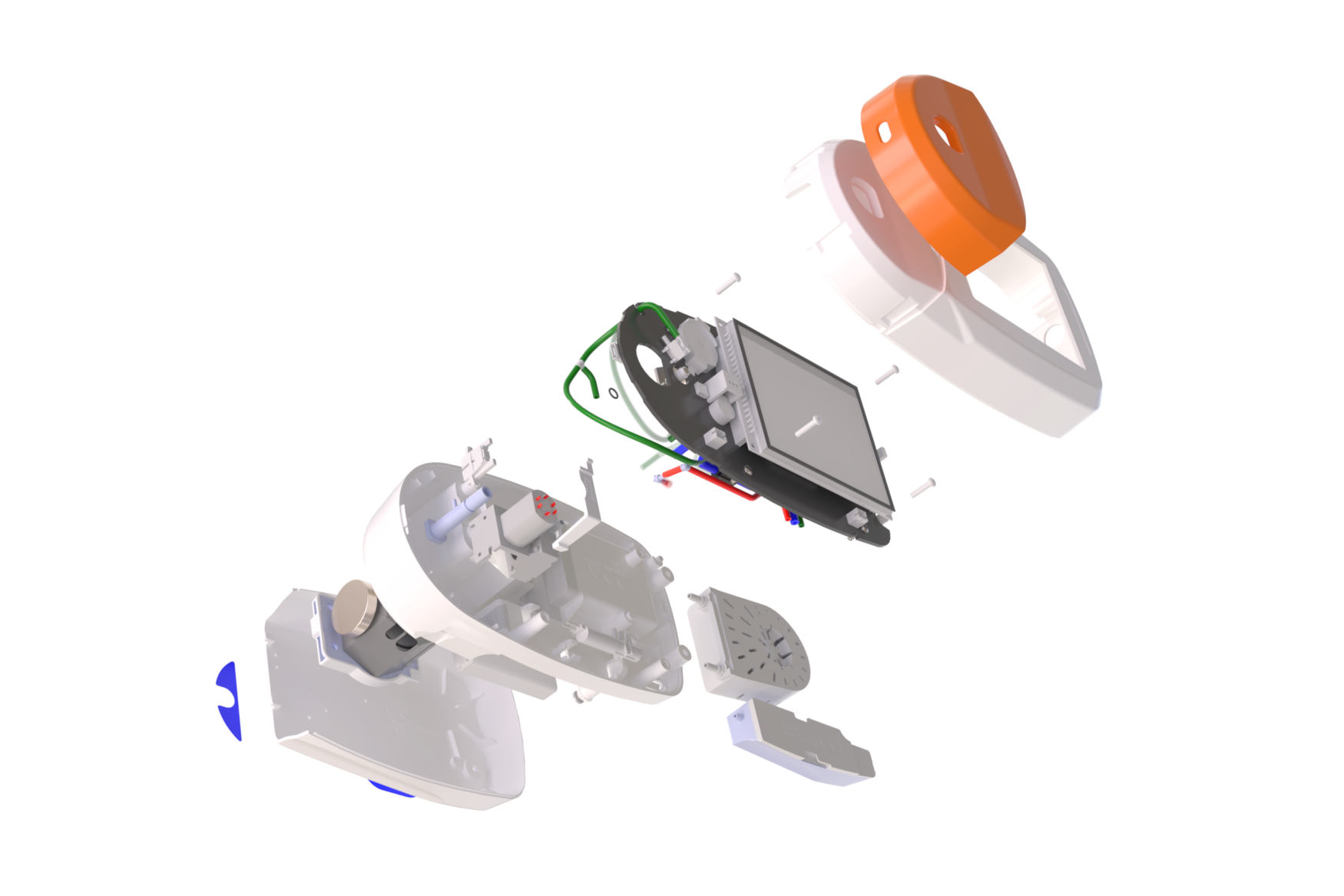
- Component fit and assembly
- Reliability and durability
- Maintenance and cleaning requirements
- Regulatory and approval requirements
- Target costs and production rates
- Sustainability and end-of-life considerations
Defining these objectives before developing prototypes matters. Without them, it’s possible to produce an impressive physical model that provides very little useful information.
Our advice to customers is to establish the requirements first:
Make sure the technical product specification reflects the needs of the relevant departments and stakeholders. Review the digital design against that specification and, importantly, involve prospective manufacturing partners.
Then determine exactly what the prototype needs to demonstrate.
That creates a much stronger basis for deciding how it should be manufactured, which materials should be used and how representative it needs to be of the final product.
Why a Working Prototype isn’t Necessarily Production-Ready
This is one of the most important distinctions in prototype development.
A prototype answers the question: does this design work?
Production introduces another question: can we manufacture it repeatedly, consistently and commercially?
The issue is that these questions don’t necessarily present the same engineering challenge.
A working prototype can often be manufactured to resemble a finished production component very closely. However, producing one or a small number of components does not necessarily replicate the process variation that appears at the production scale.
Production also introduces variation.
The reality of manufacturing involves complex interactions between materials, tolerances, tooling, and scale.
Materials can vary. Manufacturing processes have tolerances. Tooling behaves differently from prototype manufacturing methods.
A design that works perfectly as a prototype, therefore, still needs to prove that it can tolerate the realities of production.
Where Does the Transition to Production Go Wrong?
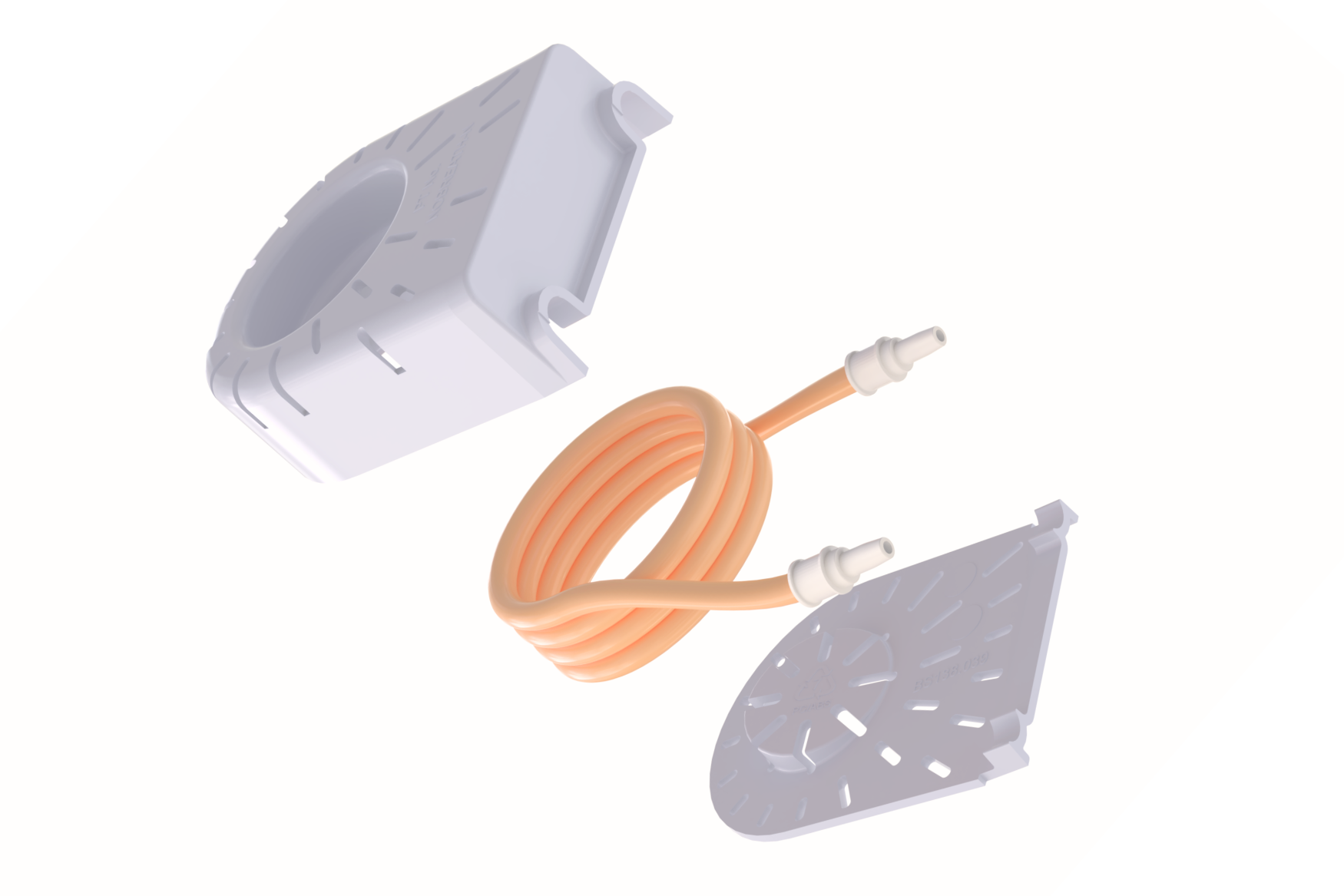
In our experience, many problems that appear during production arise much earlier in product development.
Several recurring pitfalls are particularly worth considering.
Assuming the prototype is nearly ready for manufacture
When a prototype looks, feels and performs like the intended product, it can create understandable confidence that development is almost complete.
But performance is only one measure of readiness for production.
The design still needs to work with the intended materials, tooling and manufacturing processes. Tolerances need to be achievable and appropriate. Components need to be assembled reliably. Quality needs to remain consistent as volume increases.
Rather than viewing the prototype as the final step before manufacture, it’s more useful to see it as a source of evidence that informs the next stage of engineering decisions.
Considering manufacturing too late
One of the most effective ways to reduce the risk of a difficult transition is to involve manufacturing expertise early.
Design for Manufacture (DFM) examines whether a product has been designed in a way that supports practical, repeatable and cost-effective manufacture. Design for Assembly (DFA) applies similar thinking to how individual components come together.
If these conversations happen while a design is still evolving, changes can often be made relatively easily.
But, if they happen after the design has been finalised, prototypes approved, and tooling commissioned, the same change can become considerably more expensive.
Treating prototype materials as production materials
Material selection should be considered in the context of what a prototype needs to achieve.
- For an early-stage model, the priority may be speed and cost.
- For functional testing, mechanical or thermal properties may be critical.
- For validation, the actual production material will be required.
The material that is most appropriate for one prototype stage isn’t automatically the best choice for production.
Production material selection needs to account for factors such as performance, weight, finish, processing, availability, compliance, costs and recyclability.
This is why decisions around materials should not happen in isolation from either design or manufacturing.
Overlooking tooling
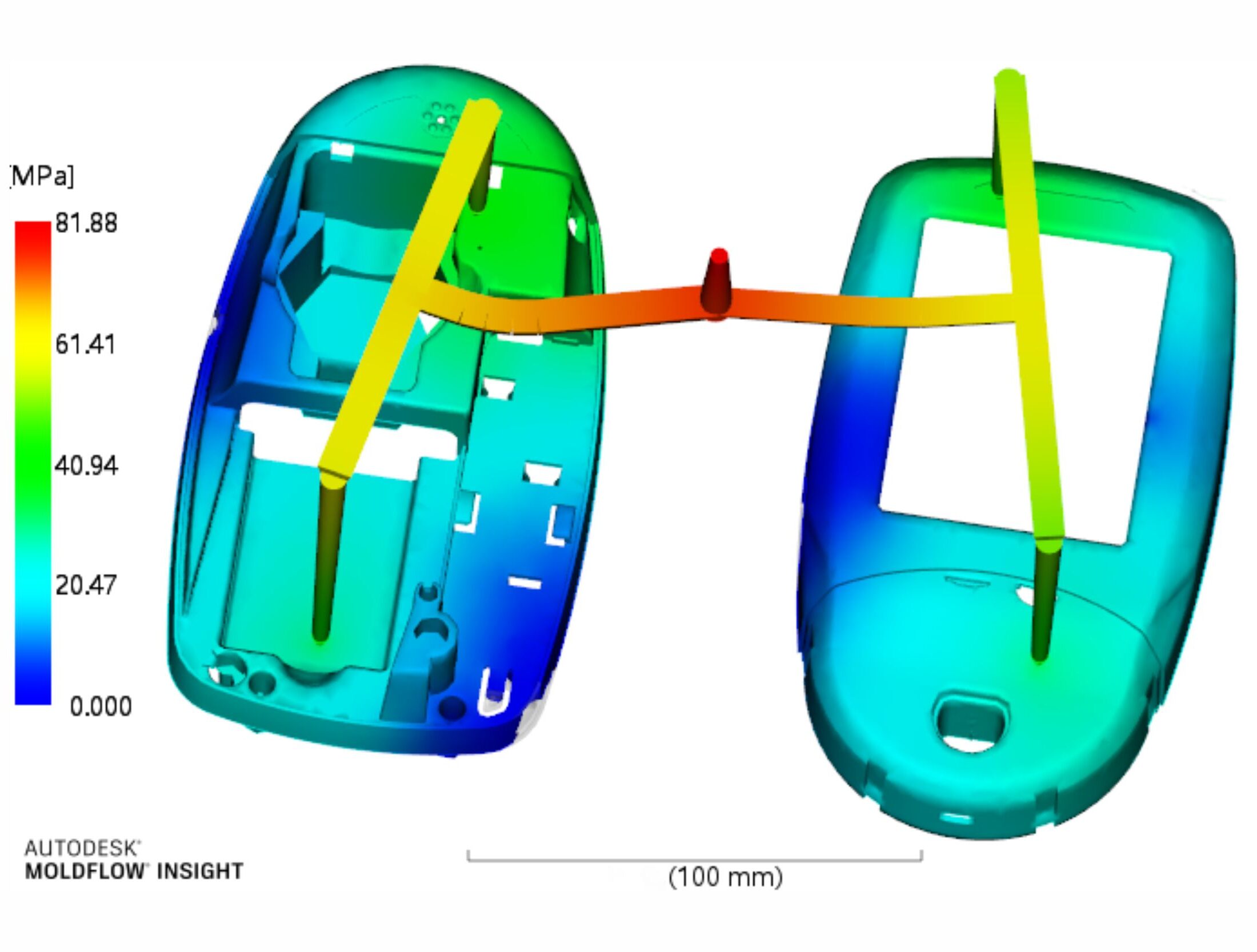
A component that is straightforward to prototype may not be straightforward to manufacture using the intended production tooling.
Tooling introduces its own design requirements and constraints. Depending on the manufacturing process, seemingly small features can influence tooling complexity, cycle times, component quality and ultimately cost.
Considering tooling early gives engineers the opportunity to refine the design before significant investment has been committed.
Ignoring tolerance stack-up
Individual components can all be manufactured within specification and an assembly can still encounter problems.
Tolerance stack-up happens when tiny size differences in multiple parts add up. This total change can cause parts to fit poorly or fail in an assembly.
And in a prototype, components may happen to fit together perfectly. But in production, different combinations of components across their allowable tolerances may produce a different result.
These elements can all affect fit, alignment, sealing, movement, appearance or overall performance.
Reviewing tolerances at an assembly level, as opposed to considering each component independently, is therefore an important part of preparing a design for repeatable manufacture.
Failing to plan for production volume
The best manufacturing method for ten components is unlikely to be the best manufacturing method for ten thousand. Scalability is the name of the game here.
Expected production quantities affect process selection, tooling investment, automation, supplier choice, unit cost and lead times.
Volume assumptions should therefore be discussed during development, even if the initial quantities are relatively low. Doing so allows design and manufacturing decisions to support not only the first production run, but also potential future demand.
Test Early, When There’s Still Room to Change
Testing is sometimes regarded as the stage where a finished design receives a pass or a fail.
We see it a little differently.
Testing is part of the development process itself. Its purpose is to generate information that helps the team make better engineering decisions.
That distinction matters because the cost of discovering a problem generally increases exponentially as a project progresses.
If testing identifies an issue during early prototype development, engineers still have considerable freedom to modify the design, reconsider a material or change a manufacturing approach.
Discover the same issue after production tooling has been commissioned, suppliers have been appointed, and production schedules agreed, and the consequences can be much more significant.
Early testing might examine functionality, fit, assembly, material behaviour, durability, environmental performance, user interaction or regulatory requirements. The appropriate testing programme will depend on the product and its intended application.
What matters is that testing is planned around clearly defined questions and that the results feed back into the design.
Iterations Aren’t a Setback
A prototype that reveals a problem has done something useful.
Product development is inherently iterative.
Design, prototype, test, review and refine; each cycle gives the engineering team more information and provides an opportunity to improve the product.
The important distinction is between purposeful iteration and uncontrolled redesign.
Good prototype development has defined objectives.
If testing reveals that a component needs to be stronger, an assembly needs to be simplified, or an interaction needs to be more intuitive, the next design revision should respond to this evidence.
This process can improve far more than basic functionality.
Iteration can lead to better usability, more efficient assembly, reduced material consumption, more achievable tolerances and lower manufacturing costs.
Trying to eliminate iteration entirely can be counterproductive. The objective should instead be to resolve uncertainty while changes are still relatively easy to make.
Manufacturing Planning Shouldn’t Wait Until the Prototype is Finished
The traditional idea of completing a design and then ‘handing it over’ to manufacturing can create unnecessary risk.
Manufacturing planning should begin while the product is still being developed.
Bringing considerations, such as manufacturing processes, tolerances, assembly methods and regulatory or quality requirements, into prototype development allows the product and the production strategy to evolve together.
This is particularly valuable when prospective manufacturing partners can review the digital design before decisions become difficult or expensive to reverse.
At DTI, this connected approach is fundamental to how we work.
Bringing engineers, material specialists, and production teams into the process helps us look beyond whether a component can be made and consider how it should be made—consistently, efficiently and at the required scale.
Proving the Product… And the Process
There’s an important period between achieving a successful prototype and commencing full-scale manufacture.
Depending on the product, industry and regulatory environment, this can include design verification, design validation, tooling, pilot production, production validation and First Article Inspection (FAI).
Although individual processes vary, they answer different questions:
- Design verification establishes whether the design meets its specified technical requirements.
- Design validation considers whether the finished product satisfies its intended application and user needs.
Once production methods are introduced, attention shifts towards the manufacturing process itself.
Pilot production can provide an opportunity to evaluate how the design behaves under more authentic production conditions, while production validation helps demonstrate that the process can consistently deliver the required outcome.
FAI can then be used, where appropriate, to verify that this initial production output conforms to the specified engineering requirements.
This progression is important because successful product development requires both sides of the equation to work.
You need a product that performs as intended.
And you need a manufacturing process capable of producing it reliably.
Building Production Thinking into Prototype Development
DTI has been supporting customers with technically demanding design and manufacturing projects for more than 30 years. During that time, technologies and development tools have changed considerably, but the value of connecting design decisions with manufacturing expertise has remained constant.
Our experience spans different industries, materials, production processes and prototype requirements. That breadth matters because there is no single correct approach to prototyping.
Sometimes, a fast and inexpensive 3D print is exactly what a project needs.In other cases, testing may require a prototype that more closely represents the intended production material, geometry, tolerances or manufacturing process.
Engineering expertise can make all the difference when it comes to making this type of judgment call.
By establishing what a prototype needs to prove, we can help customers select the best approach for that particular stage of development. As the project progresses, manufacturing considerations can then be incorporated into decisions around materials, tolerances, tooling, testing, assembly and production.
This continuity reduces the disconnect that can otherwise occur between product development and manufacturing.
DTI can manage design, prototype development, manufacturing and delivery within one coordinated process, or work alongside a customer’s existing engineering teams and supply chain to provide specialist expertise where it is needed.
From a Successful Prototype to Repeatable Production
The purpose of prototype development isn’t simply to create something that looks and behaves like the finished product.
It can validate performance, expose problems, inform material and manufacturing decisions and provide evidence for the next stage of development. But a successful prototype is not the end of that process. Moving confidently into production also means proving that the design can be manufactured consistently, repeatedly and at the required scale.
Planning a new product or preparing to move an existing prototype into production?
At DTI, we support customers throughout product development, from initial feasibility and prototype development through materials, testing, tooling and full-scale manufacture. By bringing design and manufacturing expertise together from the outset, we help identify risks earlier and create a clearer route towards reliable production.
Get in touch with us today to find out more.
Get in touch today to discuss your next project
Whether you have a question, require more information, or want to discuss a potential project, our expert engineering and operations teams are on hand to help you.
We look forward to hearing from you and collaborating on innovative solutions for your business.
"*" indicates required fields