Developing a new product is a significant investment.
Whether you’re launching a new clinical device, an automotive component or a specialist piece of equipment for the defence sector, the decisions you make during development can influence everything from the performance of the final product to how efficiently and economically it can be manufactured.
From manufacturing costs and regulatory compliance to product quality and speed to market, every decision counts.
Yet many businesses make the same mistake: they wait until they have a finished CAD model or working prototype before involving a manufacturing partner. From an engineering perspective, that’s often when the most expensive problems begin.
A functional prototype may prove that an idea works, but it does not prove that the product can be manufactured thousands of times with repeatable quality and commercially viable unit costs. Features that work perfectly well in a prototype can introduce complex tooling, difficult-to-control tolerances or material and supply chain challenges once production begins.
As a result, the most successful products are developed with manufacturing in mind from day one.
That is why choosing the right product development partner is so important. A good partner doesn’t simply design products; they help engineer commercially viable solutions by considering manufacturing processes, material selection, compliance and long-term production requirements from the very beginning.
The Product Development Process: Why Early Decisions Matter
While every project is different, a successful product development process follows a structured process that balances innovation with practical engineering and manufacturing requirements.
It begins by understanding the product’s purpose, commercial objectives and intended market.
At this stage, experienced engineers are already thinking beyond the concept itself:
- What production volumes are expected?
- Which manufacturing process is most appropriate?
- What regulatory compliance requirements will apply?
- Are there material or supply chain considerations that could affect long-term availability?
- What are the target unit costs and acceptable levels of capital investment?
As the design develops, these questions become more and more important.
Material selection is about far more than achieving the required strength or appearance. Engineers must consider thermal performance, durability, manufacturability, cost and supply chain resilience.
A highly specialised polymer, for example, may deliver excellent mechanical properties on paper but introduce longer lead times, minimum order requirements or higher material and processing costs. Selecting materials with both performance and production requirements in mind helps reduce the risk of reliability issues, supply disruption and unnecessary redesign later in development.
Perhaps the biggest influence on project success is Design for Manufacture (DFM).
DFM ensures products are engineered so they can be manufactured consistently and efficiently at scale. It considers factors such as draft angles, material shrinkage, wall thickness transitions, gating strategy, tooling complexity, assembly methods and production tolerances long before tooling is commissioned.
This is an important distinction because a prototype and a production-ready product are not the same thing.
Where a prototype demonstrates that an idea works, manufacturing demands something entirely different: the ability to produce thousands of identical components to consistent quality standards whilst controlling cost and maintaining production efficiency.
Integrating DFM from the outset significantly reduces development risk, helping businesses avoid expensive tooling changes, minimise production delays and achieve a smoother transition into manufacture.
What Makes a Great Product Development Partner?
Not all product development partners offer the same level of engineering expertise.
Some focus primarily on industrial design or CAD modelling. Others manufacture the components once a design has been completed.
The most valuable partners create a bridge between both disciplines, combining engineering knowledge and practical manufacturing experience so that design decisions are informed by how the products will actually be made.
Because no decision should be made blind.
They understand manufacturing, not just design
An attractive CAD model tells you very little about whether a product can be manufactured successfully.
Experienced development engineers are constantly evaluating how each design decision will affect production.
They understand the impact of tool drafting angles, material shrinkage and injection moulding constraints. They know where sink marks or structural weaknesses are likely to occur and how relatively small design changes can improve quality, while reducing manufacturing costs.
Just as importantly, they understand that the manufacturing process itself should be tailored to your business’s commercial goals.
Upon knowing these goals and understanding volume targets, structural needs and budget, an engineering team can confidently advise on whether a component should be precision-machined, vacuum-formed, or injection-moulded.
The right choice ultimately depends on balancing these factors.
And that expert engineering perspective gives your business the confidence that your products are not only technically successful, but commercially viable as well.
They build compliance into the engineering process
In regulated industries, compliance cannot be treated as a final approval exercise.
Requirements such as ISO 9001, ISO 13485, IATF 16949, RoHS, and REACH all influence engineering decisions throughout the product development process, from material selection and traceability to manufacturing and quality assurance.
An experienced development partner considers these requirements from the very beginning, and thus reduces the risk of non-compliance and having to redesign work later on as a result.
They ask the questions others don’t
One of the strongest indicators of an experienced product development partner is their willingness to challenge assumptions.
Experienced engineers know that identifying potential risks early is far less costly than solving problems once production has begun.
That proactive approach might involve recommending an alternative material with better long-term availability, highlighting a feature that will complicate tooling or suggesting a different manufacturing process that reduces lifetime production costs.
Because good engineering isn’t about saying yes to every idea; it’s about ensuring the right solution is delivered.
They focus on lifetime value, not the lowest unit price
Choosing a development partner based solely on the cheapest component price is a false economy.
Because the true cost of a product extends well beyond the unit price.
Poorly considered engineering decisions can lead to high costs and delays. Practically, this means expensive tooling modifications, slower production cycles, higher rejection rates and unnecessary assembly complexity.
Even seemingly minor design changes made early in development can have a significant impact on manufacturing efficiency over a product’s lifetime.
A good development partner will always look at the bigger picture.
Sometimes a more sophisticated tool represents a higher investment upfront, but delivers substantial savings through lower unit costs and faster production over thousands of parts. In other cases, a simple manufacturing approach may be more appropriate, depending on projected production volumes.
The key is in understanding the commercial objectives before making important engineering decisions.
Ultimately, businesses should be looking for a partner that balances technical performance, manufacturing efficiency and commercial viability… rather than optimising one at the expense of the others.
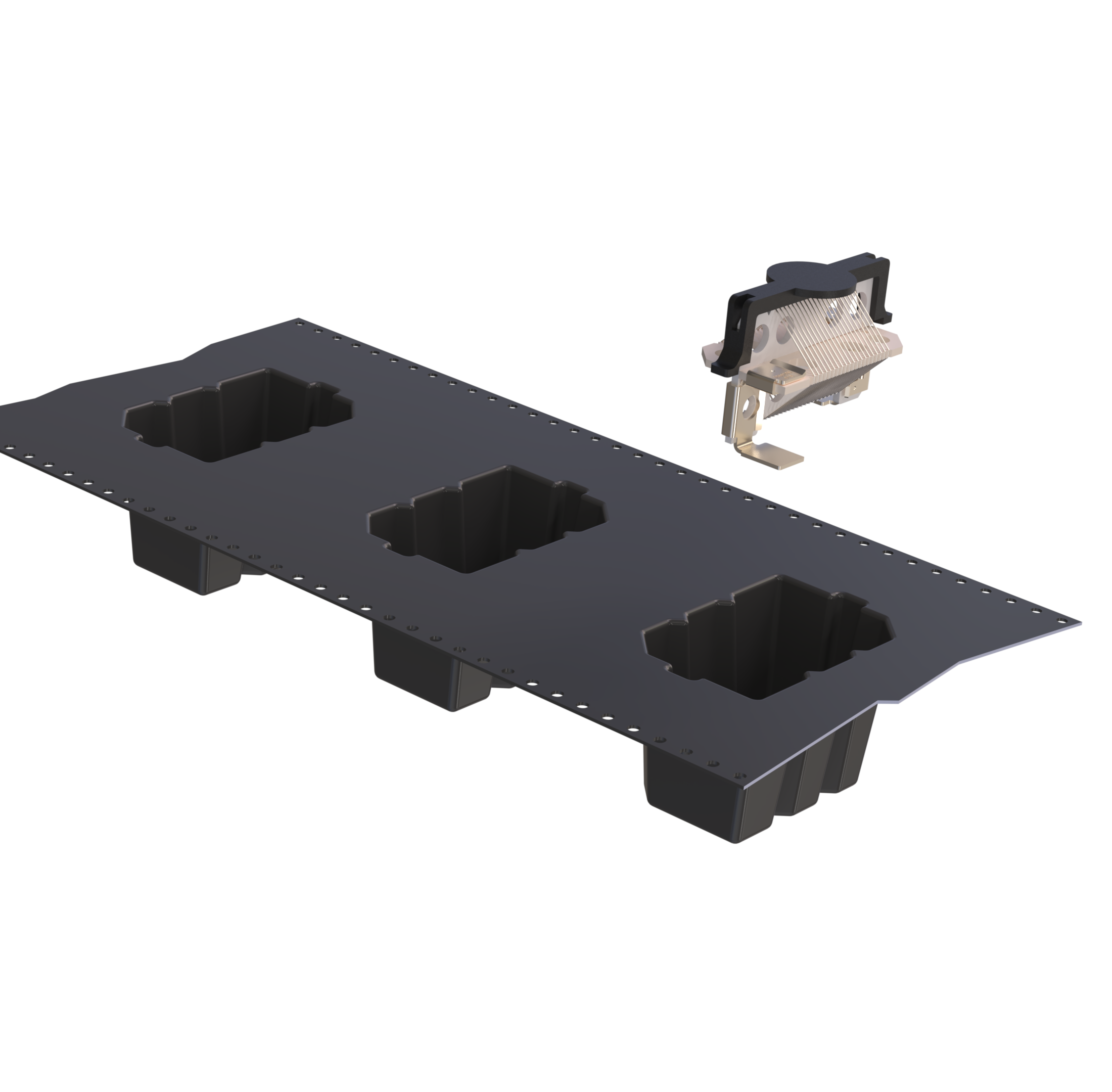
How DTI Approaches Product Development
At DTI, product development isn’t viewed as a series of isolated design tasks.
Instead, it’s a collaborative engineering process that aligns product performance with manufacturing capability from the outset.
Every project begins with understanding the project as a whole.
Beyond the product itself, DTI’s engineers work with customers to establish commercial objectives, anticipated production volumes and any regulatory or compliance requirements that will influence the final design.
From there, an outline specification is developed, covering everything from product functionality and material selection to manufacturing processes, testing requirements and lifecycle considerations.
The outline specification also considers Human Machine Interface (HMI) requirements, servicing and maintenance, end-of-life recycling, and production timescales before any progress can be made.
Even as the design evolves, Design for Manufacture (DFM) remains central to the process.
Engineers will review component geometry, assembly methods and manufacturing constraints at every stage, ensuring that the products can move smoothly from prototype into high-volume production.
Just as importantly, DTI works closely with suppliers throughout development to identify potential supply chain risks, assess alternative materials where appropriate and ensure manufacturing processes are aligned with the project’s technical and commercial goals.
By integrating engineering, manufacturing and quality assurance into a single development process, customers gain confidence that the finished product will not only perform as intended, but also be practical, scalable and commercially sustainable to manufacture.
Engineering in Practice: Supporting Seagate from Development to Production
A recent project for Seagate Technology demonstrates the value of involving manufacturing expertise early in the product development process.
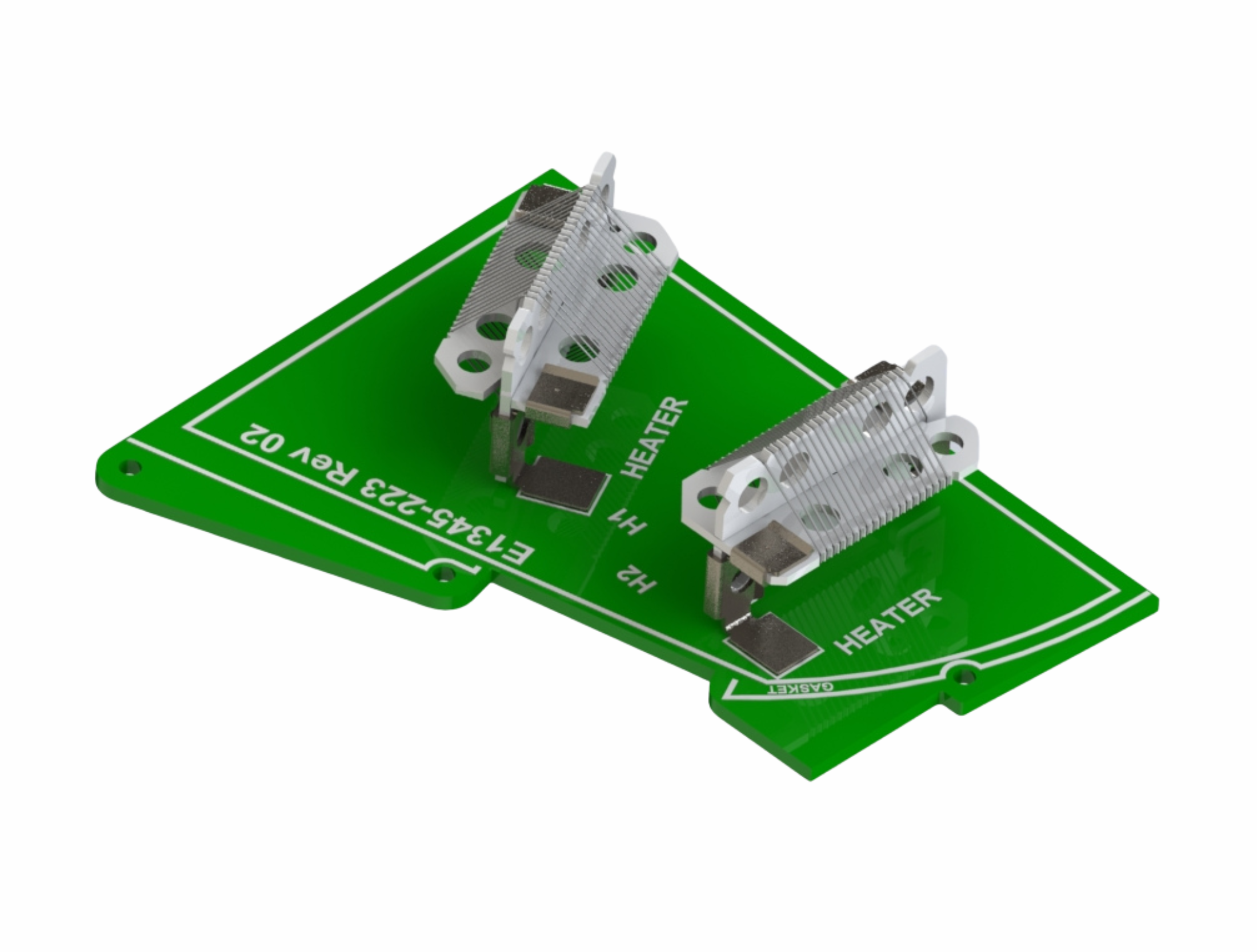
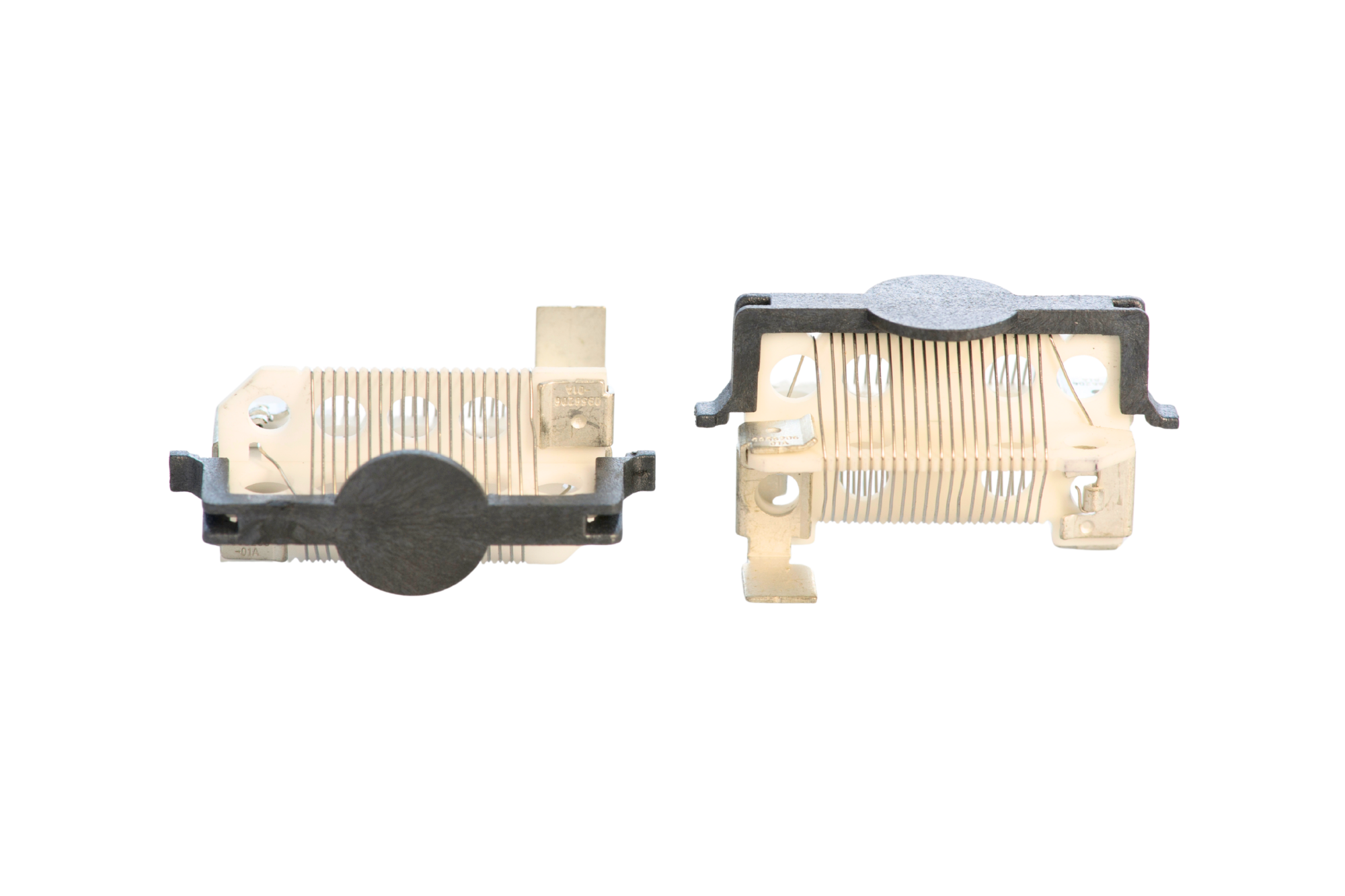
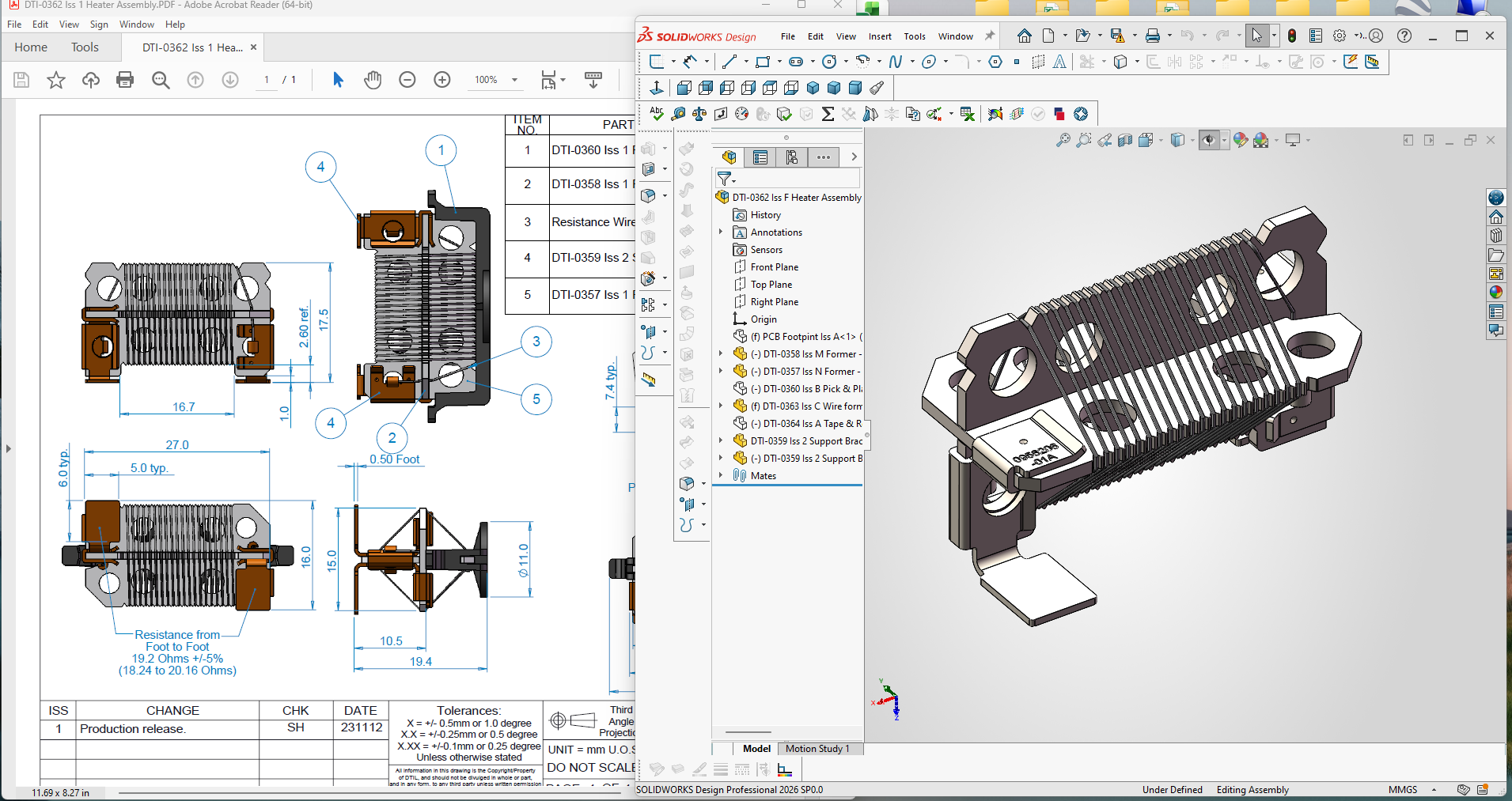
Seagate Technology required a bespoke heating element for its Hard Drive Environmental Soak Station, which is a critical system used to validate hard drive performance and reliability under tightly controlled environmental conditions.
The component needed to operate continuously at temperatures of up to 1,800°C, all while fitting within a highly restricted installation space and supporting accurate and repeatable testing.
Meeting these requirements demanded more than just an innovative design; the product also had to be robust enough for long-term manufacture, deliver consistent thermal performance and integrate seamlessly into Seagate Technology’s production processes.
Working closely with Seagate’s engineering team, DTI applied Design for Manufacture (DFM), Design for Assembly (DFA) and Design for Test (DFT) principles throughout development.
Materials were carefully selected to balance thermal stability, structural performance and manufacturing efficiency, while the component geometry was refined to optimise airflow and improve heat distribution without increasing the installation footprint.
Prototype assemblies were extensively tested before the design was finalised. Semi-automated assembly processes, integrated electrical testing and comprehensive inspection procedures were then introduced to support consistent, repeatable production.
The outcome speaks for itself.
The heating element progressed successfully into full-scale manufacture, with more than 200,000 units supplied and no reported quality or performance issues. Alongside exceptional reliability, the final design improved airflow, minimised power consumption and delivered the consistency required to support Seagate Technology’s long-term environmental testing programme.
It’s an example of how early engineering decisions, supported by manufacturing expertise, can deliver lasting commercial benefits that go far beyond the initial design phase.
Choosing the Right Partner Before You Invest
Product development is about so much more than creating a product that works.
The real challenge lies in creating a product that can be manufactured efficiently, meet regulatory requirements, maintain consistent quality and remain commercially viable throughout its lifecycle.
That requires more than design expertise alone.
The strongest product development partners combine engineering knowledge with practical manufacturing experience. They challenge assumptions, identify risks before they become expensive problems and consider every decision in the context of production, quality and long-term performance.
At DTI, engineers, manufacturing specialists and quality teams all work together from the earliest stages of development to help customers move confidently from concept through to full-scale production.
By integrating DFM, compliance planning and production engineering through the product development process, DTI helps transform innovative ideas into robust, manufacturable products that are built for long-term success.
Whether you’re refining an early concept or preparing an existing design for manufacture, involving the right development partner before significant investment is made can reduce risk, improve outcomes and lay the foundation for a more successful product launch.
Get in touch with a member of our team today to get started on our collaboration.
Get in touch today to discuss your next project
Whether you have a question, require more information, or want to discuss a potential project, our expert engineering and operations teams are on hand to help you.
We look forward to hearing from you and collaborating on innovative solutions for your business.
"*" indicates required fields